
The Masons
Unveiling he Secrets and Legacy of Freemasonry

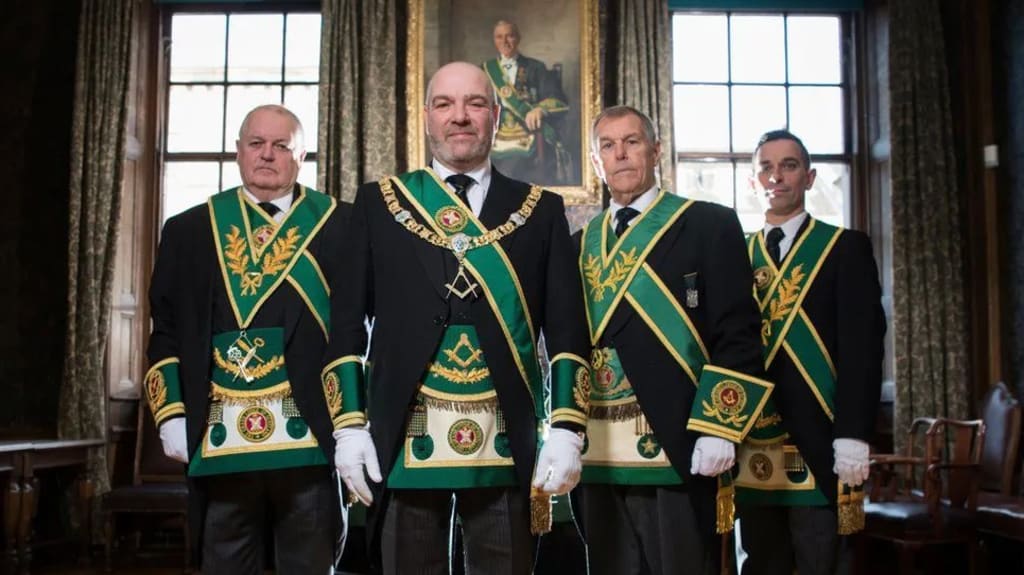
Origins and Historical Context
The precise origins of Freemasonry are shrouded in mystery, but it is widely believed to have emerged in the late 16th to early 17th century. Some scholars trace its roots to the medieval stonemasons’ guilds, which were groups of skilled builders who constructed Europe’s great cathedrals and castles.
1. Medieval Guilds: These stonemasons formed guilds to regulate their craft, ensure quality, and protect trade secrets. They often worked on sacred buildings, imbuing their work with symbolic meanings and rituals.
2. Early Modern Period: During the early modern period, these guilds gradually transformed into more speculative societies, attracting members who were not necessarily builders but were interested in philosophical, moral, and spiritual development.
3. Founding of Grand Lodges: The formation of the first Grand Lodge in London in 1717 marks the formal beginning of modern Freemasonry. This event helped standardize rituals and practices, facilitating the spread of Freemasonry worldwide.
Structure and Organization
Freemasonry is organized into a hierarchical structure of lodges, each governed by specific rules and rituals.
1. Blue Lodge: The basic organizational unit is the Blue Lodge, where members receive the first three degrees: Entered Apprentice, Fellow Craft, and Master Mason. These degrees symbolize the stages of moral and spiritual development.
2. Grand Lodge: Each jurisdiction, such as a country or state, has its Grand Lodge, which oversees the activities of local lodges within its territory.
3. Appendant Bodies: Beyond the Blue Lodge, there are various appendant bodies, such as the Scottish Rite and the York Rite, which offer additional degrees and orders, each with its own rituals and teachings.
Core Beliefs and Principles
Freemasonry is not a religion, but it is deeply rooted in spiritual and moral values. Members are encouraged to explore personal growth and contribute positively to society.
1. Brotherhood: Freemasonry emphasizes fraternity and brotherhood, promoting mutual support and camaraderie among its members.
2. Moral Development: The rituals and teachings of Freemasonry focus on the development of personal virtues such as honesty, integrity, and charity.
3. Symbolism: Freemasonry is rich in symbols, such as the square and compasses, which represent moral and ethical lessons. These symbols are used in rituals to impart deeper meanings and guide members on their personal journeys.
4. Tolerance: Freemasonry promotes religious and philosophical tolerance, requiring only that its members believe in a Supreme Being, referred to as the Great Architect of the Universe.
Societal Impact and Contributions
Throughout history, Freemasons have made significant contributions to society, often emphasizing philanthropy, education, and civic responsibility.
1. Philanthropy: Freemasons are known for their charitable work. Many lodges support local and national charities, fund scholarships, and operate hospitals and retirement homes.
2. Influence on Society: Numerous historical figures, including George Washington, Benjamin Franklin, and Winston Churchill, were Freemasons. Their Masonic principles often influenced their leadership and contributions to society.
3. Cultural Legacy: Freemasonry has had a lasting impact on art, literature, and architecture. Its symbols and rituals have inspired countless works and have become an integral part of Western cultural heritage.
Myths and Misconceptions
Freemasonry has long been the subject of conspiracy theories and myths, often portraying it as a secretive and malevolent organization.
1. Secrecy: While Freemasonry does maintain certain secrets, such as passwords and rituals, it is not a clandestine society. Many aspects of Freemasonry are publicly available, and members are encouraged to be open about their affiliation.
2. Conspiracy Theories: Conspiracy theories often allege that Freemasons control world governments or engage in nefarious activities. These claims are unfounded and typically arise from misunderstandings or mistrust of secret societies.
3. Religious Misconceptions: Some religious groups have criticized Freemasonry, claiming it conflicts with their beliefs. However, Freemasonry’s emphasis on moral development and tolerance is intended to complement, not replace, personal faith.
Freemasonry, with its rich history, intricate symbolism, and commitment to personal and societal betterment, remains a fascinating and influential organization. While it may be shrouded in mystery, its core principles of brotherhood, moral development, and philanthropy continue to inspire and guide its members. By fostering tolerance, ethical behavior, and community service, Freemasonry contributes positively to society, upholding a legacy that has endured for centuries.
About the Creator
Keep reading
More stories from Gustavo Woltmann and writers in Chapters and other communities.
Brass Ring Chapter 13: Catching Up With Chaos
Oliver stood up, disengaging from Cass. “Sorry, guys, I’ve got to go.” Cass put her finger to her lips and blew him a kiss. “Are you sure you want to leave with Teddy? You know he’s a teddy bear.” Teddy looked expectantly. ‘I could rub that fur all day.”
By Jamais Jochimabout 22 hours ago in Chapters


Comments