
Why Fears of a Third World War Are Growing
This is not a prediction, but a reflection on rising global tensions and the cost of reckless leadership.

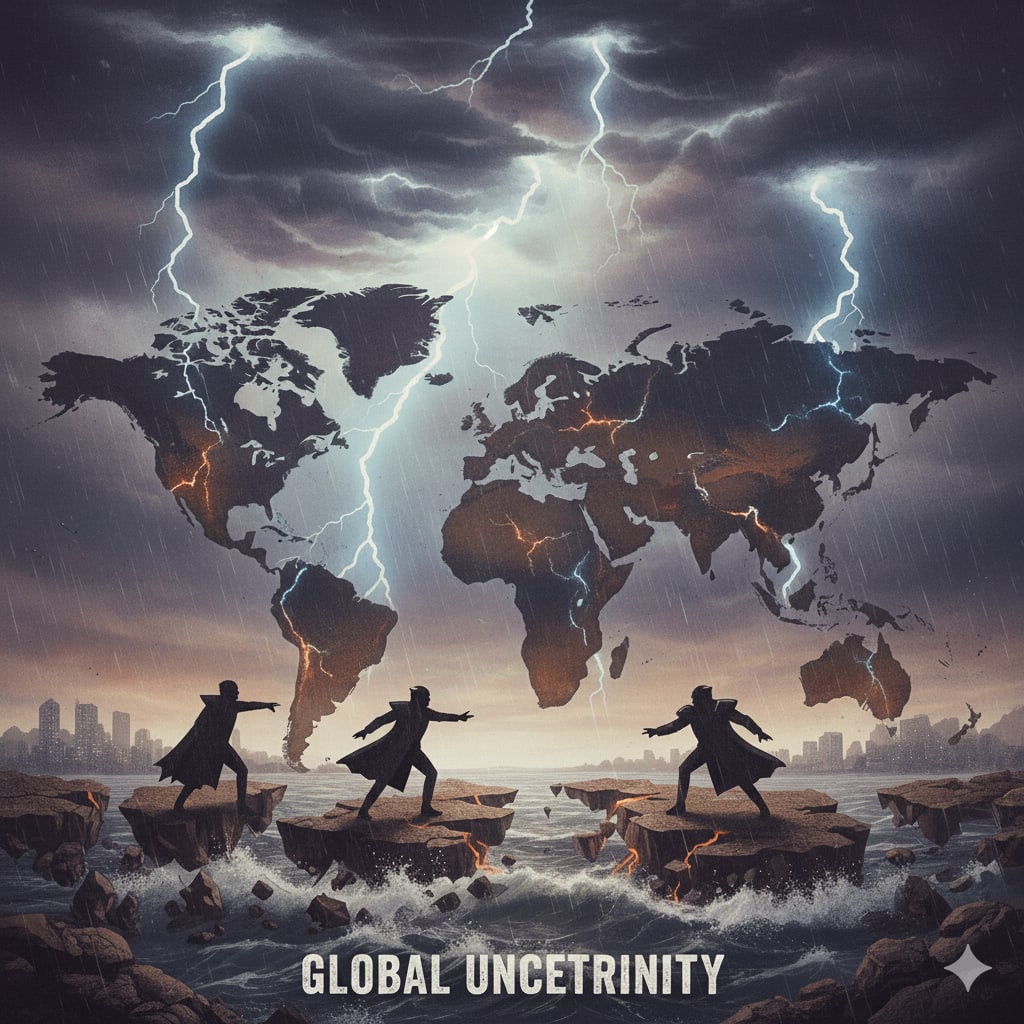
A World on Edge: Why Fears of a Third World War Are Growing
The phrase “World War Three” no longer sounds distant or fictional to many people around the world. It appears in headlines, political speeches, social media debates, and late-night conversations filled with anxiety. While no official declaration of a global war exists, the growing fear itself is worth examining. This story is not a claim that a world war will begin soon, but an exploration of why so many people believe the world is moving dangerously close to one.
In recent years, global politics has shifted into a more aggressive and divided state. Powerful nations are openly threatening one another through military posturing, economic sanctions, and public rhetoric. Conflicts that were once regional now carry international consequences, pulling allies and rival powers into the same dangerous orbit. History teaches us that world wars do not begin suddenly; they grow slowly through tension, mistrust, and unchecked ambition.
One of the major reasons people fear a larger global conflict is the language used by influential leaders. When political figures speak carelessly about war, nuclear power, or “inevitable conflict,” it sends shockwaves far beyond their borders. Words from powerful offices do not remain opinions; they influence markets, militaries, and public psychology. Even when such statements are framed as strategy or strength, they can escalate fear and provoke reactions from other nations.
Another factor is the increasing number of active conflicts worldwide. Wars in Eastern Europe, the Middle East, and parts of Africa have created humanitarian disasters while drawing indirect involvement from global powers. Proxy wars, where major nations support opposing sides without direct confrontation, are especially dangerous. History shows that proxy conflicts often serve as the spark that ignites much larger wars.
Technology has also changed the nature of global danger. Modern warfare no longer requires soldiers crossing borders to cause devastation. Cyberattacks, drones, economic warfare, and misinformation campaigns can destabilize entire nations without a single shot being fired. This invisible battlefield makes conflict harder to control and easier to deny, increasing the risk of miscalculation.
Climate change and resource scarcity further intensify global tension. Water shortages, food insecurity, and mass displacement are pushing governments into defensive and sometimes aggressive positions. When survival resources become political weapons, cooperation breaks down and conflict becomes more likely. Wars of the future may not start over ideology alone, but over access to basic human necessities.
Public trust in global leadership is also declining. Many citizens feel that decisions affecting billions are made without accountability or compassion. When leaders prioritize power, image, or personal legacy over diplomacy and human life, the world becomes more unstable. This erosion of trust fuels fear, protest, and polarization, both within nations and between them.
It is important to clarify that fear does not equal fate. The existence of tension does not mean war is inevitable. International diplomacy, global institutions, and public pressure still play critical roles in preventing catastrophe. History also offers examples where the world stepped back from the brink through negotiation and restraint.
The real danger lies not in discussing the possibility of war, but in ignoring the warning signs. Silencing concern does not create peace; addressing it responsibly does. Conversations about global stability must be grounded in facts, caution, and a commitment to truth, not panic or propaganda.
This is why stories like this matter. They are not predictions of doom, but reminders of responsibility. The future of the world is shaped not only by presidents and generals, but by citizens who demand transparency, diplomacy, and humanity from those in power.
The world stands at a crossroads—not because war is guaranteed, but because the choices being made today will decide whether peace survives tomorrow.
About the Creator
Wings of Time
I'm Wings of Time—a storyteller from Swat, Pakistan. I write immersive, researched tales of war, aviation, and history that bring the past roaring back to life
Keep reading
More stories from Wings of Time and writers in Chapters and other communities.
Fair Exchange, No Robberies
Dark Memoirs - Index There are at least two kinds of people in the world: those who write this half-arsed kind of intro to a story that looks to separate the rare and the norm, and those who realise it's an overused framing device and don't.
By Paul Stewart28 days ago in Chapters
Trouble at the Tea Leafing Café
The rain had started right around the time that Annie was buttering her second thick slice of homemade toast for breakfast, and hadn’t paused since. Not that anyone could tell. The windows of the café were fogged over, and with every seat filled with happy customers munching on fresh baked pastries or steaming bowls of the delicious soup of the day, it was hardly surprising. Annie looked around the room, finally taking a moment to breathe after the lunch time rush. Her old life already felt like a bad memory, a part of her history, always, but just that. History.
By Hannah Moore3 days ago in Fiction


Comments
There are no comments for this story
Be the first to respond and start the conversation.