
The Gaddafi Model Revisited: Is Iran the Next Target in a Global Power Strategy?
How U.S. pressure tactics, nuclear fears, and regional players like Pakistan shape a dangerous new chapter in Middle East geopolitics

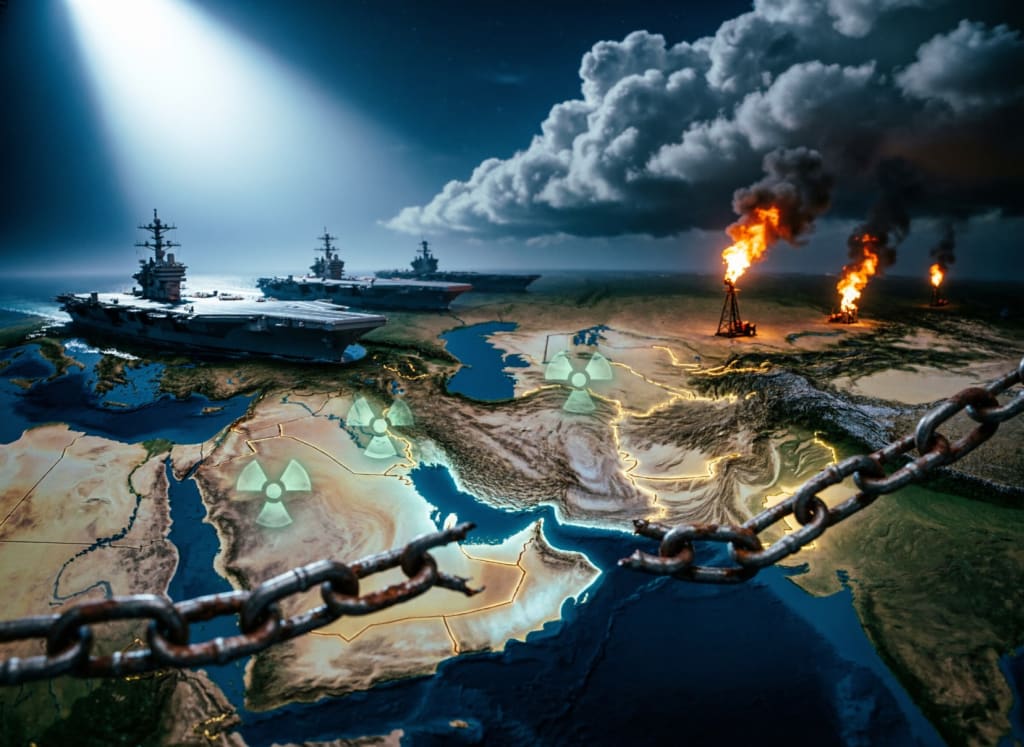
The Gaddafi Model Revisited: Is Iran the Next Target in a Global Power Strategy?
In recent geopolitical debates, a controversial phrase has resurfaced: the “Gaddafi Model.” Originally linked to Libya’s decision in the early 2000s to dismantle its weapons of mass destruction programs, the model is now increasingly referenced in discussions about Iran. The implication is clear—intense pressure, isolation, and forced dismantling of strategic capabilities may once again be used as tools of regime control. As tensions rise in the Middle East, the question is no longer theoretical: could Iran be facing a similar fate, and what role do regional powers like Pakistan play in this unfolding strategy?
The Gaddafi Model refers to Libya’s decision in 2003 under Muammar Gaddafi to abandon its nuclear, chemical, and long-range missile programs. This decision was welcomed by Western powers at the time and presented as a diplomatic success. However, less than a decade later, Libya descended into chaos after NATO intervention, and Gaddafi himself was killed. For many countries, especially those already under Western pressure, Libya became a cautionary tale rather than a success story.
Iran has carefully studied this history. Unlike Libya, Iran has maintained a complex nuclear infrastructure, missile capabilities, and regional alliances. The United States and Israel argue that these capabilities pose a global security threat, while Iran insists its nuclear program is defensive and civilian in nature. The pressure campaign against Tehran has intensified through sanctions, diplomatic isolation, cyber operations, and military signaling—particularly the deployment of U.S. aircraft carriers in nearby waters.
Statements by American leaders, including former President Donald Trump, have repeatedly emphasized “maximum pressure” as a strategy. This includes economic strangulation, targeting Iran’s banking system, oil exports, and access to international markets. Supporters of this approach claim it prevents Iran from developing nuclear weapons. Critics argue it increases the risk of miscalculation and war.
What makes the current situation more dangerous than Libya’s case is Iran’s regional position. Iran is deeply connected to conflicts in Iraq, Syria, Lebanon, and Yemen. Any attempt to fully dismantle Iran’s military or nuclear infrastructure would not be a contained operation—it would ripple across the Middle East, threatening energy markets, global trade routes, and civilian populations.
Pakistan’s name frequently appears in these discussions, though often indirectly. As the only Muslim-majority country with nuclear weapons, Pakistan occupies a sensitive position. Pakistan’s nuclear history, particularly the legacy of Abdul Qadeer Khan, has made it a subject of international scrutiny. Any escalation involving Iran inevitably raises questions about regional nuclear balances, proliferation fears, and diplomatic alignments.
From Iran’s perspective, surrendering strategic deterrence could invite vulnerability. Libyan infrastructure was dismantled under international supervision, yet the country later lost sovereignty and stability. This lesson looms large in Tehran’s strategic thinking. Iranian leadership sees nuclear capability—whether fully realized or not—as insurance against forced regime change.
Another factor is the changing nature of warfare. Today’s conflicts are not limited to bombs and tanks. Cyber operations, intelligence warfare, economic manipulation, and information campaigns play decisive roles. Weakening a state’s internal command systems can be as effective as a direct military strike. In such an environment, misjudgments can spiral rapidly into open conflict.
The international community faces a difficult balance. Preventing nuclear proliferation is a legitimate goal, but history shows that coercive models often create long-term instability. Applying the Gaddafi Model to Iran could trigger regional war, disrupt global markets, and deepen mistrust between nuclear-armed states.
Ultimately, the Iran question is not just about one country. It is about whether global powers will continue to use pressure-driven dismantling strategies, or whether new diplomatic frameworks can emerge that prioritize stability over domination. The outcome will shape not only the Middle East, but the future rules of global power.
About the Creator
Wings of Time
I'm Wings of Time—a storyteller from Swat, Pakistan. I write immersive, researched tales of war, aviation, and history that bring the past roaring back to life
Keep reading
More stories from Wings of Time and writers in Confessions and other communities.
USA warning to India after Venezuela
When Strong Words Shake Alliances: Trump, India, and the Power of Political Warnings In global politics, not every warning comes with missiles or soldiers. Sometimes, it comes through speeches, interviews, and policy decisions. During Donald Trump’s presidency, strong language became a regular tool of diplomacy. Allies and rivals alike often found themselves reacting not to actions, but to words. India, a long-time strategic partner of the United States, was not completely immune to this approach.
By Wings of Time about a month ago in Confessions
Blessed 33
So I woke up on the morning of February 5, 2026 and guess what and you know what I realized? It’s my 33rd birthday. Do you know what that means? Yes, technically I’m getting old, but what I couldn’t have guessed was this would be one of the best days of my life.
By Joe Patterson7 days ago in Confessions
The Truth They Buried
The Truth They Buried The sun had long disappeared behind the hills, leaving a thin veil of twilight over the sleepy town of Riverton. Most of the townsfolk had gone to bed, their windows glowing faintly like fireflies in the distance. But in the outskirts, near the abandoned railway line, Mark Davidson was still awake, his mind racing. Tonight, he was going to uncover a truth that had been buried for decades—a truth no one dared speak of.
By Samaan Ahmad5 days ago in Confessions



Comments
There are no comments for this story
Be the first to respond and start the conversation.