
The Room at the End of the Hall
A Journey from Silence to Strength

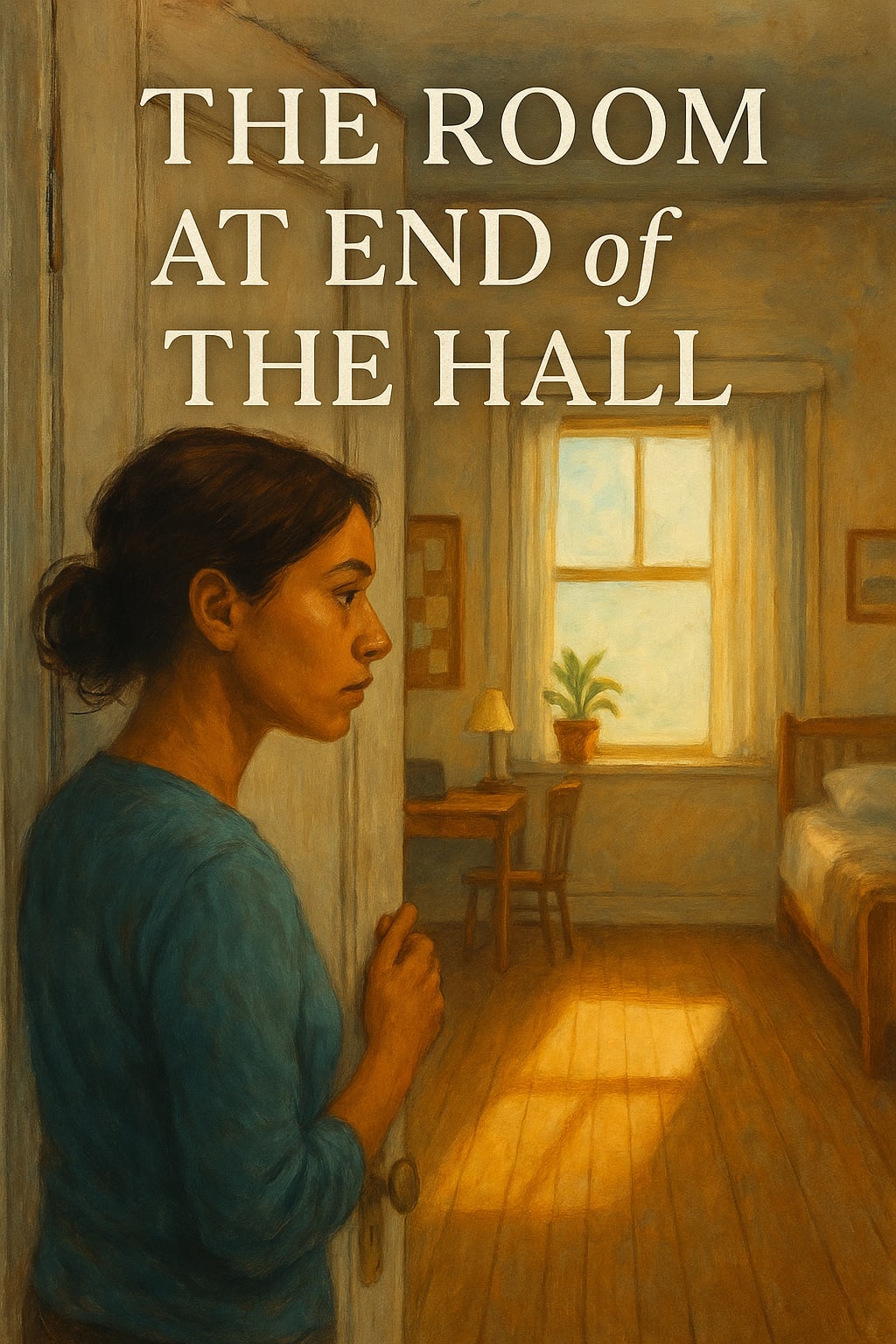
I used to avoid looking down the hall. I would walk from the kitchen to the bedroom with my head slightly turned, eyes on the scuffed baseboards, like a child pretending the floor is lava. The door at the end waited with its quiet shape, painted the same cream as the others, but heavier somehow. I taped it shut the winter I stopped leaving the house. I told myself it was to keep the draft out. The truth was simple. That room hurt to look at.
It used to be my spare room. Not much to it. A narrow bed, a dresser, a stack of plastic bins full of summer clothes and old notebooks. It is where I put everything I did not want to deal with right away. After the assault, I slept there for a week, maybe two. Then I stopped sleeping. Then I stopped opening doors.
People talk about trauma like a siren, all noise and flashing lights. Mine was quieter. It felt like ice under skin. The detective called me “hon” as if I were a waitress refilling his coffee. My lawyer stared over my shoulder when I spoke. My voice shook and kept shaking. Months later I would still hear that voice and hear how unsure it sounded, as if I was trying to convince myself that I deserved to be believed. The detective believed a stranger. My lawyer believed the court. I was the only one left who had to decide what to believe about me.
So I taped up the spare room and stopped inviting people over. I stopped buying guest towels and pretended this was a financial choice. I told myself I would open the door when I moved somewhere bigger, or when the seasons changed, or when the news felt less like a cliff. It was strange how easily time adapted around the sealed space, like water around a rock. Seventeen months passed. Then eighteen. Then years.
This fall my landlord raised the rent. I stared at the notice and felt something other than dread. It felt like a hand pressing gently between my shoulder blades. Move. It said without speaking. Move and see what you have let grow in the dark.
I started with the easy things. I collected cardboard boxes from the grocery store and scribbled fragile in a thick blue marker. I wrapped mugs in newspaper and folded sweaters into tight rectangles that made me feel competent. I told my job I would be offline for a few days. I did not tell anyone about the door.
On the second day I ran out of boxes. The woman at the store told me to come back tomorrow. I stood in my living room with a roll of packing tape and looked down the hall, full on for once. It felt ridiculous to walk past a room full of bins and buy more bins. My hand rose to my mouth in that old habit, thumb pressing against a tooth. For a second I tasted the sharp paper edge of the tape from years ago and heard it rip, one long sound that made my heart race because I was not ready then. Maybe I was ready now.
I went to the door and pressed my palms flat against it, like a swimmer about to push off the wall. The tape had yellowed. The glue dried into a line that looked like a scar. I slid a box cutter along it and the door sighed as if grateful for the attention. I turned the knob.
The smell surprised me most. Not rot. Not mold. Paper and dust, like the quiet aisle of a library. A thin strip of light cut across the floor from the crooked blinds. The bed was still made with the cheap turquoise comforter I used to pretend was a wave. A mug sat on the dresser with the ghost of a ring at the bottom. On the chair lay an old black dress with a snag at the hem. I touched the dress and tried to place it. Then I remembered. I had worn it to the lawyer’s office. She told me to choose something conservative. I thought the dress made me look like a waitress again. I had worn it anyway.
My legs felt like someone else’s. I sat on the edge of the bed and pressed my feet into the floorboards. The bed gave with a tired sigh and the room tilted. I was back in my own body, and also not. A double exposure. The woman who stayed here two weeks after, who tried to sleep with the lamp on, who listened to every truck in the alley and matched her breath to the rumble. And me now. The same shoulders. The same scar on my knee from a childhood bike crash. The same stubborn heart. More years inside it.
“I am here,” I said aloud. My voice sounded normal. It felt brave to hear it.
There are memories that live inside objects the way seeds live inside fruit. I lifted the turquoise comforter and felt the rough quilt squares. The stitching held. That made me angry for a moment. I wanted it to fail so the rest of it would make sense. It did not. For a while I sat and lifted corners of the room. A notebook with a list of recipes I never tried. A photograph of me and my father at a fall festival, both of us with powdered sugar on our mouths from the same funnel cake. A candle burned down to its metal nub. A jar of dried lavender that still smelled like a field if I brought it close.
At the bottom of the closet, a shoe box waited with a rubber band around it. I carried it to the bed and peeled the band slowly because I did not trust my hands. Inside were the things I had thrown together in one frightened evening because the detective told me to gather my “materials.” A printout of the dating profile with one sentence underlined in red. A screen grab of the last text where I told him to leave me alone. A page of my own handwriting. The first time I tried to write it down without leaving anything out.
My handwriting from that night is ugly. The letters lean forward as if trying to outrun what comes next. I read my own sentences and winced. They were not poetic. They were clumsy and full of obvious words. He said. I said. He did. I froze. He said again. I could not find the adjectives that would have made other people understand. I looked for them in the months after, in articles and books and group handouts, and some helped, but none were mine. Now I looked at the page and decided to love it the way you love a child’s first drawing. The point is not accuracy. The point is that you draw.
I cried in that room for the first time since I locked it. There are only a few kinds of crying if you strip the sound away. This one felt like rain after static air. It moved through. My chest loosened and the weight behind my eyes receded. I went to the window and tilted the blinds. Streetlight poured across the floor and made a bright square that looked like a stage. It felt wrong to shut it again.
On the third day I did not go to the store. I brought a broom into the room and swept dust from corners I had not dared to look at. I opened the closet and let air touch the undersides of things. I rolled the turquoise comforter into a tight sausage and set it by the door. I carried the jar of lavender to the kitchen and cleaned it, then brought it back with water and the stubborn stem of a pothos plant I had been trying to propagate. The stem floated and released a tiny thread of root, happy to be free of the dark cup where I had hidden it. I set it on the windowsill.
For lunch I made a sandwich and ate it in the doorway. I watched the room the way you watch an animal that used to make you nervous. It watched me back. In the afternoon I got a message from the landlord asking when I could meet the new tenants for a walk-through. I told him Friday. That gave me four days. Four days to decide whether I wanted to hand someone a floor plan with a void in it, or a floor plan with a room.
The next morning I brought a bucket of warm water and a sponge. I washed the scuffs from the baseboards and the fingerprints from the door. I shook out the old curtains and let the cold air bite my fingers until they stung. My body remembered fear like a path worn through grass. Every few minutes I felt my heart speed for no reason I could see. Each time I paused and put my hand on the wall until it slowed. The paint felt chalky, like the walls of my elementary school, and that steadied me more than it should have.
In the afternoon I opened the shoe box again, then pulled out the page of handwriting and set it on the dresser. I fetched a pen. I added one sentence. Only one. It said what no one in that old room had said to me out loud. You did not deserve what happened to you. I said it again, this time in my head, until my body understood I meant it. Then I folded the page and slipped it into a manila envelope. I wrote my name on the front. I carried the envelope to the kitchen and set it in a drawer next to takeout menus and batteries, in the place where I kept things I needed to reach without thinking. On impulse I slid a stamp book beside it. There would be letters again. Not to them. To me.
On the fourth day I brought in a little speaker and played an old playlist I used to clean to. A song I loved came on, something silly with a fast clapping beat. Without deciding to, I stood in the square of light by the window and moved my hips. It felt foolish, then good. I raised my arms and reached until my back clicked. I laughed. I had not heard my laugh in that room before. It sounded like a bird startled into flight.
When the song ended I sat cross-legged on the floor and looked around. The bed had a fresh white sheet now. I had carried the dress with the snag to the donation pile. The dresser gleamed from oil I had rubbed into its dry wood. The air smelled like lemon and lavender. The plant on the sill had unfurled a new leaf, thin as onion skin. Everything felt both simple and astonishing.
I thought of the woman I had been here. I saw her trying to eat a cracker over the trash can because the thought of a plate felt like too much. I saw her at the window, counting the turns of the deadbolt. I imagined sitting cross-legged across from her. I would not tell her that it gets better. I would tell her that she is not a liar for surviving. I would tell her that the way she saved herself in small pieces counts. I would tell her that she sealed the door not because she was weak, but because she understood what was needed to keep breathing. Then I would ask if she wanted a glass of water. I would ask if she wanted to stretch.
Friday arrived. The landlord texted that the new tenants would stop by at four. At three thirty I stood in the hall, hands clean and nails short, and looked at the room one more time. It was not perfect. A faint rectangle on the wall showed where a poster had been. The blinds still hung crooked. In the corner the baseboard did not quite meet the floor. It was still mine.
A thought pushed into my head. I did not need to move.
The realization shocked me. The raise in rent had been a shove toward change. I had answered with work. I had opened what I had refused to open. Yet the idea of packing my new room and handing it to strangers made my stomach pinch. I went to the kitchen and made tea to give myself an excuse to think.
A yes does not always require proof. The sentence floated into my mind the way a line of a poem does when you are washing dishes. I poured hot water over the tea bag and watched color bloom. I did not need to justify staying or leaving based on the size of my injury. I was allowed to choose the option that made my chest feel open. I carried the mug back down the hall and set it on the dresser. The steam curled in front of the window like breath on a cold day. I decided.
When the landlord knocked I opened the door with my whole body. He was a kind man with a slow way of talking that made my anxious muscles settle half an inch. The couple waited behind him, young and nervous and holding hands like teenagers. I stepped into the hall and told them the truth.
“I changed my mind,” I said. “I am going to renew the lease.”
The landlord blinked, then nodded. The couple looked disappointed, but not angry. They side-eyed the living room with its stacks of boxes. The woman smiled at me with a look I recognized from long ago. It was the look you give a stranger who has just saved herself. I wished them luck, meant it, and watched them go.
That night the city felt kinder. I could hear the neighbors’ baby cry and the elevator clank and a car go by with music loud enough to rattle my glass. All of it sounded like a language I was relearning. I stood in the doorway of my room and let the cool air move along my arms. I had not expected this part. The re-entry. The way the body can stand where it once could not.
When I finally lay down on the white sheet, I did not think about the old case, the way the detective had said hon, or the way my lawyer had adjusted her papers when I cried. I did not revise my answers from the stand or rephrase what should have been an open and shut sentence to satisfy someone else’s idea of neatness. I did not try to push away the memory of the person I had met online and misjudged. The mind tries to make perfect sense so it can build a path out of pain. It cannot always do it. I did not need it to. I watched the plant on the sill, dark against the streetlight, and listened to my own breath until it matched something bigger. Then I slept.
In the following weeks the room became a place again. I put my desk by the window and set an old thrift store lamp on it. I hung a cork board and pinned up the normal scraps of a life I had stopped collecting. A grocery list. A flyer from a poetry reading with a smiley face drawn by the woman who signed my book. A receipt where I had bought myself flowers and written Nice choice in the margin. On Sundays I changed the sheet and wiped down the dresser and watered the plant. I watched the vine throw out new leaves, each one slightly bigger than the last, each one a small proof that time was no longer stalled.
Sometimes I still wake with my heart knocking. Sometimes a man’s voice in a movie makes me stiffen before I realize why. Healing is not a line you cross. It is a room you keep stepping into. The door is not the same anymore. The scar where the tape sat will probably always be visible if you know where to look. I do not mind. It reminds me of what I chose.
Last week I found the black dress pushed behind books on the top shelf of the closet, like a shy animal. I tried it on and laughed at how it no longer fit. I folded it and placed it in a bag to donate. I added a note and slid it into the pocket. The note said, I wore this when I thought I had to be very small to be heard. You can wear it for any reason you like.
This morning a friend came over for coffee. I walked her down the hall without thinking and swung the door wide. She looked around and smiled. “I love this room,” she said. I watched the way the light pooled on the floor. I watched a breeze lift the corner of a postcard and lay it down again. I nodded. I loved it too.
After she left I sat at the desk and pulled the manila envelope from the drawer. I unfolded the page with the ugly handwriting and the single new sentence. I added one more line, careful and slow. I wrote, I am allowed to come and go as I please.
I set down the pen and looked at the room. I thought of all the things it had held for me when I could not, and how it kept holding. I thought of the woman who was told to be conservative and small, and the woman who danced in the square of light, and how both are me. Outside, a siren wailed and faded. A bus sighed and pulled away from the corner. The plant lifted its newest leaf. The city kept being itself. So did I.
When I stand in the doorway now I do not look away. I touch the frame as I pass, a small ritual. I try to notice one new thing each day. Today it is the hairline crack in the paint above the window that looks like a river. Tomorrow it might be the way the light makes a soft triangle on the floor. I used to think healing meant pushing the past out. Now it feels like room making. I do not keep the door shut. I keep it open.
About the Creator
Dakota Denise
Every story I publish is real lived, witnessed, survived. True or not I never say which. Think you can spot fact from fiction? Everything’s true.. I write humor, confessions, essays, and lived experiences
Keep reading
More stories from Dakota Denise and writers in Confessions and other communities.
Blessed 33
So I woke up on the morning of February 5, 2026 and guess what and you know what I realized? It’s my 33rd birthday. Do you know what that means? Yes, technically I’m getting old, but what I couldn’t have guessed was this would be one of the best days of my life.
By Joe Patterson7 days ago in Confessions
If You Write A Book, Don’t Tell Anyone
There are days when I’m grateful Amazon doesn’t tell me specifically who has bought my book and who hasn’t. If they did, I would be heartbroken when I read the list and noticed all the important names in my life were not on my list of customers.
By Ellen Frances7 days ago in Writers



Comments
There are no comments for this story
Be the first to respond and start the conversation.