
The Secret Addiction I Hid for Years
A raw personal confession about battling a hidden addiction, the toll it took in silence, and the long road to healing through truth, vulnerability, and self-forgiveness.

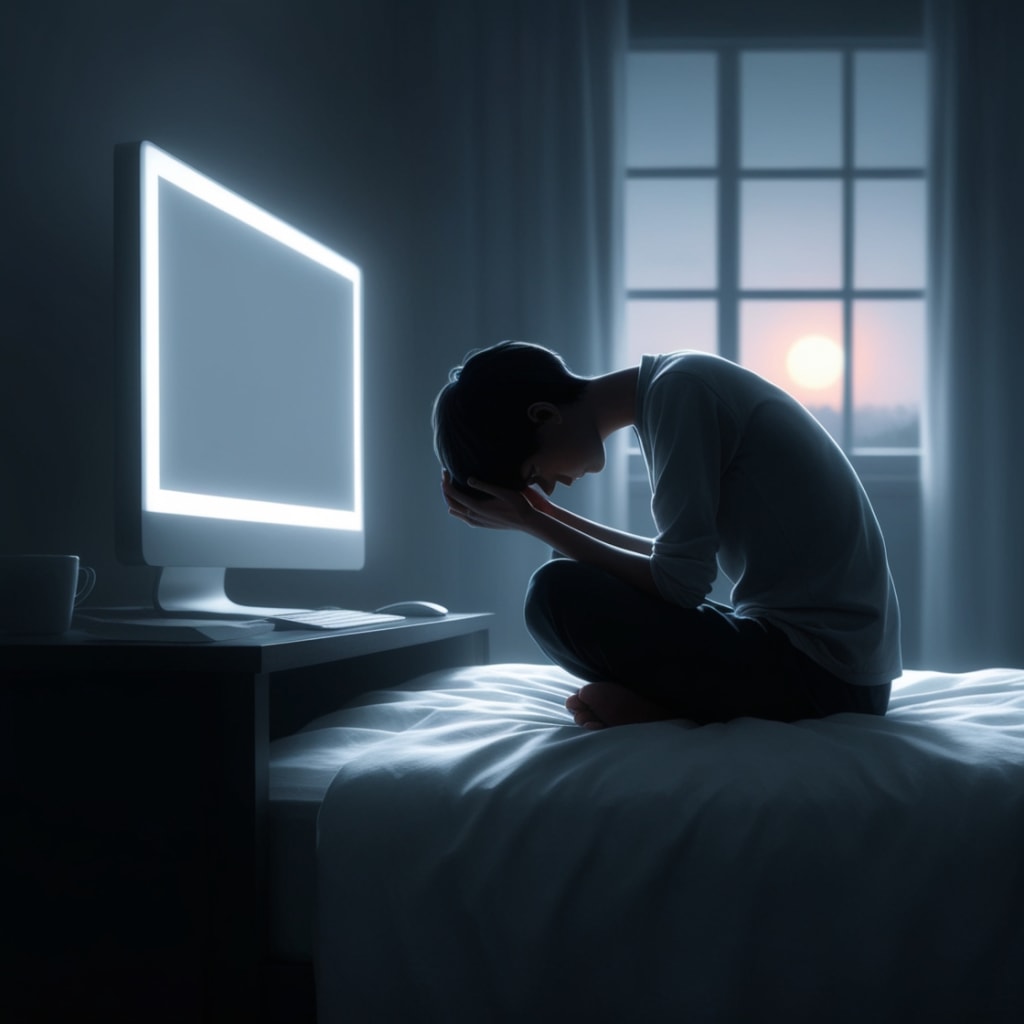
It’s strange how something can start small—harmless, even—and turn into a storm that quietly takes over your life. My secret addiction wasn’t to alcohol or drugs. There were no empty bottles rolling under the couch or strange white powders in the drawer. What I was addicted to hid behind a screen, behind silence, behind smiles I learned to fake with terrifying skill. For years, no one knew. That was part of the power it had over me.
It began during my final year of high school, somewhere between the pressure of grades and the crushing weight of not knowing who I really was. I stumbled into an online space that felt like comfort. It wasn’t pornography in the traditional sense, but it was adjacent—forums, images, escapism disguised as fantasy. A digital escape valve for a teenager who felt like he had to be perfect all the time. It became my secret nightly ritual, the place where I didn’t have to live up to expectations. Just me and the glowing screen.
At first, it felt controllable. After all, everyone had their quirks, right? But over time, the need grew. What started as ten minutes turned into hours. I lost sleep. I lost focus. I started to pull away from my friends and family. Conversations became shallow. I became the master of excuses. Sorry, I’ve just been tired lately. School is stressing me out. I need some space. The truth was simpler and more dangerous: I was addicted to disappearing.
The shame was perhaps worse than the addiction itself. I knew what I was doing wasn’t healthy. I knew it was affecting my life. But I couldn’t stop. I couldn’t ask for help because I couldn’t even name it out loud. How do you tell someone you’re addicted to something that isn’t supposed to be “that bad”? It wasn’t heroin. It wasn’t gambling. But it was a soul-eater all the same. It fed off my sense of isolation and made sure I stayed there.
I went to college with my addiction tucked safely into the corner of my suitcase. I promised myself it would be different, that I’d leave that part of me behind. But addiction doesn’t work like that. It doesn’t disappear just because you change zip codes. It evolves. It adapts. It gets stronger when you’re lonely, and college—ironically—can be the loneliest place of all. I wore my ambition like a mask. I got good grades, joined clubs, made people laugh. But every night, I returned to the void. I knew it was costing me something, even if I couldn’t quite name what.
What finally snapped me out of the fog wasn’t some grand intervention or rock bottom moment. It was quieter than that. A friend asked me, out of the blue, “Are you happy?” It wasn’t accusatory. It wasn’t dramatic. It was just honest. The kind of question that doesn’t allow for a rehearsed answer. I don’t even remember what I said back. Probably something sarcastic. But that question haunted me for weeks. Was I happy? Not really. I had moments of joy, sure. But I had buried something essential underneath layers of secrecy and self-hate.
It took months before I admitted I had a problem. And even longer before I sought help. Therapy didn’t fix me overnight. It never does. But for the first time, I said it out loud. I’m addicted. I don’t know how to stop. And that alone was a revolution. Naming it stripped it of some of its power. I wasn’t alone anymore. I wasn’t just a dark passenger in my own life.
Recovery, I learned, isn’t a straight line. I stumbled. I relapsed. I beat myself up. But I also rebuilt. I read books about behavioral addiction. I joined online groups, not the fantasy kind, but the real kind—the messy, vulnerable kind filled with people like me. People who had thought they were broken beyond repair. Turns out, we weren’t. We were just hurting.
Looking back, what surprises me the most is how good I became at hiding. We don’t talk enough about the addictions that don’t leave visible scars. The kind that live in habits, in screen time, in empty hours where we try to silence whatever ache we can’t name. But addiction thrives in the dark. It loses its grip when you bring it into the light. That’s why I’m writing this now—not because I’ve figured it all out, but because I haven’t. I’m still learning. Still healing. Still showing up for myself.
There are days when the urge creeps in again. A tough day. A heartbreak. A moment of loneliness. But I’ve learned to sit with it instead of feeding it. I remind myself of who I am, of how far I’ve come. I remind myself that recovery is not about perfection—it’s about presence. About being awake to your own life, even when it hurts. Especially when it hurts.
The secret addiction I hid for years no longer defines me. But I’ll never forget it. It taught me the power of silence, and the greater power of breaking it. If you’re carrying something like this, know you’re not alone. There’s a way back. It’s not easy. It’s not fast. But it’s real. And you deserve it.
About the Creator
Muhammad Asim
Welcome to my space. I share engaging stories across topics like lifestyle, science, tech, and motivation—content that informs, inspires, and connects people from around the world. Let’s explore together!
Keep reading
More stories from Muhammad Asim and writers in Confessions and other communities.
I Lied to Protect Someone I Loved—and I Still Regret It
When I think back to that night, the words I lied with still echo painfully inside me. It wasn’t a lie spoken lightly or without weight. It was born from a desperate place—a mix of fear, love, and a desperate need to protect someone I cared about. I remember sitting across from them, feeling the heavy silence press down on us. Our eyes met, searching, and I knew that speaking the truth would hurt deeply. So instead, the lie slipped out almost effortlessly: “I didn’t see anything.” It was a moment that shattered something inside me, even as it seemed to preserve the fragile calm between us.
By Muhammad Asim8 months ago in Confessions
Blessed 33
So I woke up on the morning of February 5, 2026 and guess what and you know what I realized? It’s my 33rd birthday. Do you know what that means? Yes, technically I’m getting old, but what I couldn’t have guessed was this would be one of the best days of my life.
By Joe Patterson4 days ago in Confessions
Loss in Our Tides
Watching a timeless friendship unfold is like seeing an impenetrable fortress slowly weathered and softened. For nine years, we’ve lived in a beautiful kind of chaos—full of soaring highs and devastating lows. It wasn’t our demise that defined us, but the journey itself. If I’m being honest, our friendship fits every definition of “toxic”, because at times we were poison to each other’s character. And yet, somehow, we made it work. You were the Yin to my dysfunctional Yang, and vice versa.
By Jackie Fazekasabout 20 hours ago in Confessions


Comments
There are no comments for this story
Be the first to respond and start the conversation.