
New Developments in the Nancy Guthrie Investigation: DNA Setbacks, Missing Footage, and Signs the Case Is Still Moving
Forensic testing, genetic genealogy, and tens of thousands of leads are quietly shaping the path toward identifying the person responsible—even as the biggest answers remain just out of reach.

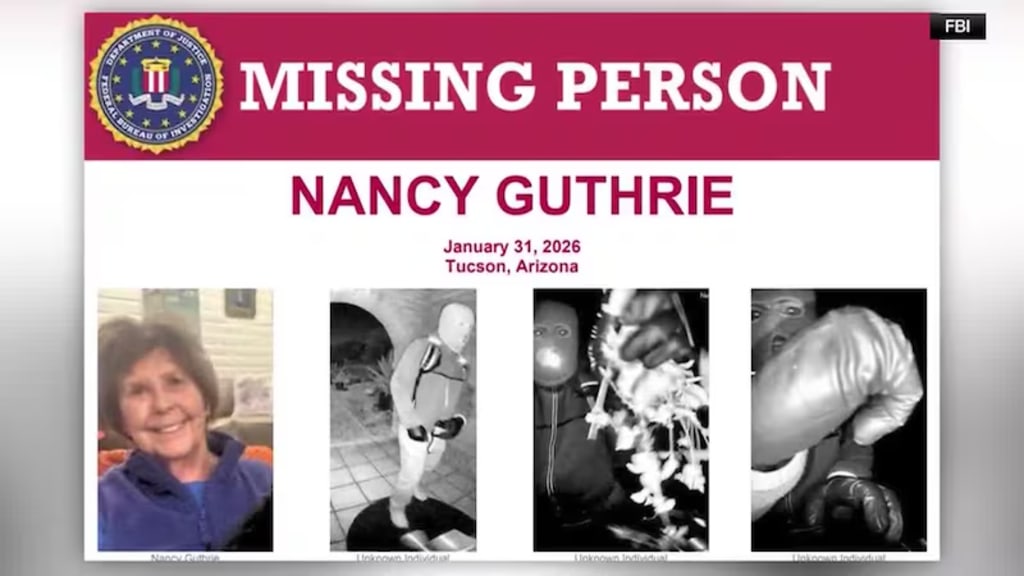
New information released by the Pima County Sheriff’s Office and the FBI has provided a clearer picture of where the Nancy Guthrie investigation stands right now. While some of the most anticipated forensic tests have not produced immediate answers, investigators continue to pursue multiple avenues that could ultimately identify the person responsible.
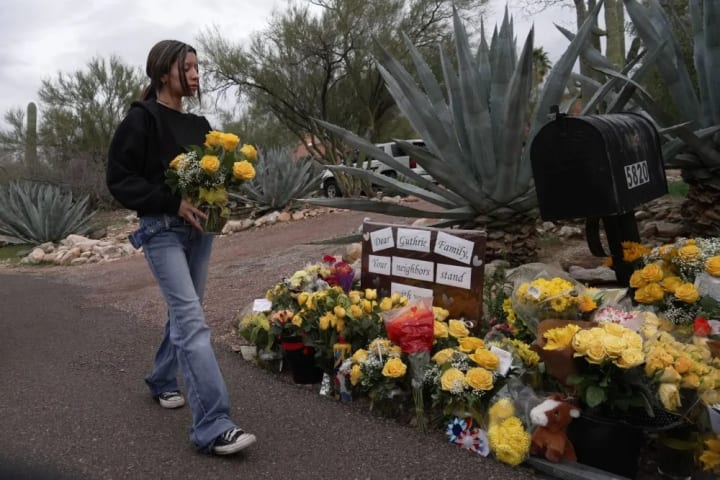
At first glance, some of the updates might sound discouraging. DNA evidence hasn’t produced a match. Surveillance footage may be unrecoverable. And no suspect has been publicly identified.
But beneath those headlines, there are strong indications that investigators are still building momentum behind the scenes.
This is the phase of an investigation where progress doesn’t always look like progress.
The DNA Evidence That Didn’t Produce a Name
One of the most closely watched developments involved DNA recovered from a glove found approximately two miles from Nancy Guthrie's home. The discovery of the glove raised hopes that it might contain biological evidence capable of identifying a suspect.
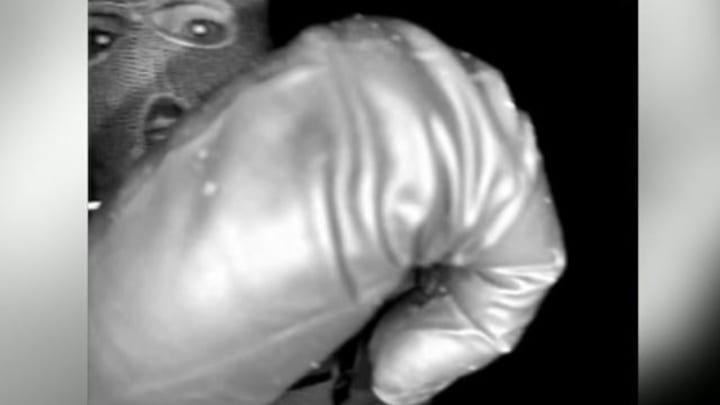
Investigators submitted the DNA to CODIS, the FBI’s Combined DNA Index System. This database contains DNA profiles collected from convicted offenders and, in many jurisdictions, individuals arrested for certain crimes.
The results came back without a match.
While disappointing, this outcome does not mean the DNA isn’t valuable. CODIS only contains DNA profiles from individuals who have entered the criminal justice system in specific ways. If the person who left the DNA has never been arrested for a qualifying offense—or their DNA was never submitted—they wouldn’t appear in the system.
In other words, the absence of a match doesn’t eliminate the suspect. It simply means their identity isn’t already known to the database.
Additional DNA samples connected to the investigation have also been entered into CODIS, and those have similarly returned without matches.
However, investigators have already begun pursuing alternative forensic methods.
Investigative Genetic Genealogy Offers Another Path Forward
Law enforcement has confirmed that they are now using Investigative Genetic Genealogy, commonly referred to as IGG.
This technique allows investigators to compare DNA evidence to genealogy databases, identifying potential relatives of the unknown individual. Even distant genetic connections—such as second or third cousins—can help investigators build family trees and eventually narrow down possible suspects.
This method has played a critical role in solving major criminal cases in recent years, including investigations that had remained unsolved for decades.
Unlike CODIS searches, genetic genealogy is not an instant process. It requires careful analysis, extensive research, and verification. It may take weeks or months before investigators identify a viable suspect using this approach.
Still, the decision to initiate IGG suggests investigators believe the DNA they recovered could ultimately lead them to the person responsible.
Missing Surveillance Footage Remains a Major Unknown
Another key piece of the investigation involves surveillance cameras installed at Nancy Guthrie's home.

Investigators were able to recover footage from a front-facing Google Nest camera, and that footage quickly became one of the most important pieces of evidence in the case. After it was released publicly, it generated thousands of tips from viewers.
However, other cameras at the property may never provide usable footage.
Those cameras did not have active subscription storage, meaning the video data was automatically overwritten after a limited period of time. While Google has attempted to recover older footage, the process is technically complex and does not guarantee success.
As of now, investigators have not confirmed whether any additional video can be retrieved.
The absence of footage from other camera angles leaves critical questions unanswered about what may have happened outside the field of view of the front camera.
Tens of Thousands of Leads Are Still Being Investigated
One of the most significant aspects of the case is the sheer number of leads investigators have received.
Law enforcement agencies have processed more than 30,000 tips, with that number continuing to grow. These leads come from a wide range of sources, including members of the public, surveillance footage, digital records, and investigative analysis.
Each lead must be examined carefully.
Investigators evaluate whether the information is credible, verify relevant details, and determine whether it warrants further action. Some leads result in search warrants, interviews, or forensic testing. Others are ruled out after further review.
This process can take time, but it is essential to ensuring that no credible lead is overlooked.
Major investigations often depend on persistence rather than speed.
Public Updates May Reflect Changing Investigative Strategy
One unusual aspect of this investigation has been the level of detail shared in certain public updates.
For example, officials have confirmed that DNA submitted to CODIS did not produce matches. While this information may seem straightforward, law enforcement agencies do not always release such specific forensic details.
There are several possible reasons for this approach.
Providing updates helps maintain transparency and manage public expectations. It also helps counter misinformation, which can spread quickly in high-profile cases.
At the same time, investigators often carefully consider what information to release and when. Public disclosures can sometimes influence suspect behavior or encourage individuals with relevant information to come forward.
The balance between transparency and investigative secrecy is delicate.
Evidence Continues to Be Processed and Analyzed
In addition to DNA analysis and surveillance review, investigators have collected a wide range of evidence from multiple locations.
Biological samples, electronic devices, and physical items have all been submitted to forensic laboratories for analysis. Vehicles connected to the investigation have also been examined.
These forensic examinations can take time, particularly in complex cases involving multiple agencies and large volumes of evidence.
Each analysis contributes to a broader understanding of what happened.
And even when individual tests do not produce definitive answers, they help narrow the scope of the investigation.
The Investigation Is Still Active—and Still Moving Forward
Although investigators have not yet identified a suspect publicly, there are strong indications that the investigation remains active and focused.
The use of advanced forensic techniques, the continued processing of evidence, and the evaluation of tens of thousands of leads all point to ongoing investigative effort.
This stage of an investigation can feel quiet from the outside.
But behind the scenes, investigators are working to connect pieces of evidence, verify information, and build a case strong enough to withstand scrutiny.
Breakthroughs in major cases often come after long periods of uncertainty.
For now, the investigation into Nancy Guthrie's disappearance continues—methodically, carefully, and with the goal of ultimately identifying the person responsible.
About the Creator
Lawrence Lease
Alaska born and bred, Washington DC is my home. I'm also a freelance writer. Love politics and history.
Keep reading
More stories from Lawrence Lease and writers in Criminal and other communities.
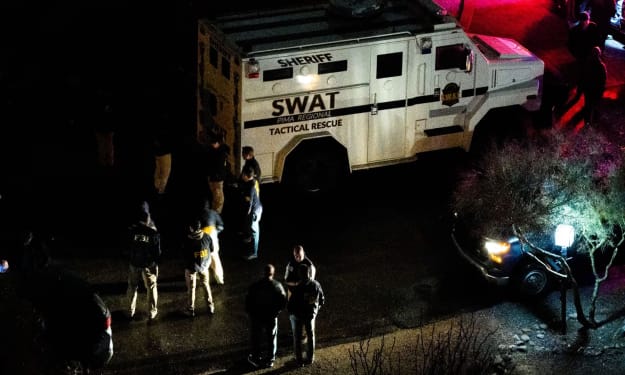
SWAT Raid Near Nancy Guthrie’s Home Leads to Three Detentions
Three individuals were detained late Friday night after a coordinated SWAT operation unfolded in a Tucson neighborhood just miles from the home of missing 84-year-old Nancy Guthrie, marking one of the most significant developments in the investigation since her disappearance nearly two weeks ago.
By Lawrence Lease4 days ago in Criminal
When Does Hiring a Personal Security Guard Make Sense?
For a long time, I assumed personal security guards were only for celebrities, politicians, or high-profile executives. It felt distant, almost theatrical — something ordinary people didn’t need to consider.
By M Yawer Yousaf7 days ago in Criminal
Nancy Guthrie: Is a miracle still possible after close to two weeks?
Close to two weeks since Nancy Guthrie's abduction As of February 12, 2026, Nancy Guthrie remains classified as missing for 12 days, but there is no official confirmation that she is deceased. Blood matching Guthrie’s DNA was found on her front porch, indicating she likely suffered an injury during the abduction.
By Cheryl E Preston6 days ago in Geeks



Comments
There are no comments for this story
Be the first to respond and start the conversation.