
The Disturbing Rise of the Online Death Game
Most disturbing things on the internet

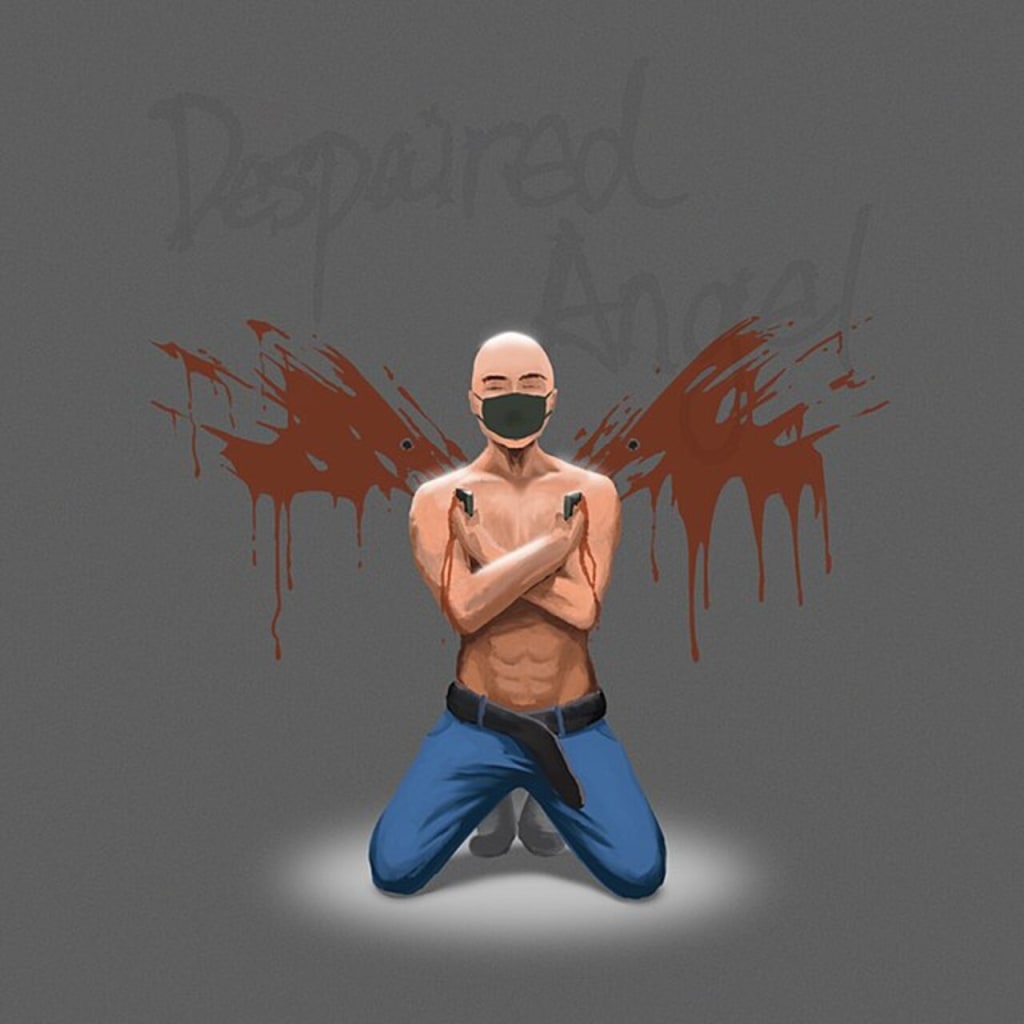
In the depths of the internet, there are corners so dark that they harbor not only criminals and predators but also twisted subcultures that thrive on the suffering of others. One of the most chilling and disturbing trends to emerge in the early 2010s was the rise of online “death games”—a horrifying phenomenon where participants were encouraged to carry out dangerous and self-destructive tasks, often leading to severe injury or death. These games, which were shared through encrypted messaging platforms, viral websites, and anonymous forums, preyed on the vulnerable, the desperate, and those seeking validation in a virtual world that valued risk over safety.
The phenomenon began as a series of challenges shared within underground online communities, initially disguised as “extreme” and “thrilling” tasks. These challenges were presented as tests of bravery or endurance, with rewards offered to those who completed the tasks. Some challenges seemed harmless at first—such as enduring extreme pain or performing dangerous stunts—but soon, the game escalated into something far more sinister.
The game’s origins can be traced to online forums where users, often young adults or teenagers, shared increasingly disturbing content, competing for attention and recognition within these toxic communities. What started as pranks or dare-based challenges soon evolved into a game with much darker consequences. Participants were encouraged to perform self-harm, engage in dangerous behavior, and ultimately, to take their own lives.
What made these online death games so dangerous was the way in which they were disguised as a form of empowerment or solidarity, often masking the harm with promises of fame, notoriety, or belonging. The anonymous nature of the internet allowed for easy recruitment of individuals who were isolated, struggling with mental health issues, or seeking to escape the pain of their real lives.
The most disturbing aspect of these online death games was the psychological manipulation involved. Participants weren’t just urged to complete dangerous tasks—they were pushed, coaxed, and sometimes even blackmailed into following through. Those who showed reluctance or failed to comply were often subjected to online harassment, threats, and humiliation.
The creators of these games operated under the guise of being “leaders” or “mentors,” providing false encouragement to participants who followed their instructions. They would promise that completing the tasks would bring them closer to an idealized version of themselves—a version that was free from pain or worthlessness. However, the reality was far darker: those who completed the challenges often found themselves trapped in a cycle of escalating demands, with no way to escape once they had crossed the line.
Participants in these online communities were encouraged to film and share their participation in the death games, which further perpetuated the cycle of pain and submission. Some were even coerced into live-streaming their actions, feeding the insatiable demand for shocking and violent content. What made this particularly chilling was the sense of community built around the game—members who failed to perform were often shunned or ostracized, reinforcing feelings of shame and isolation.
The effects of the online death game were devastating—physically, emotionally, and psychologically. Many participants suffered physical harm as a result of the increasingly dangerous tasks. These included self-inflicted injuries, extreme forms of starvation or dehydration, and even violent physical abuse. For those who survived these ordeals, the emotional and psychological toll was long-lasting. Many victims struggled with post-traumatic stress disorder (PTSD), anxiety, and depression, making it even harder for them to break free from the grip of the game.
The game's creators often targeted vulnerable individuals—those who felt disconnected from their families, isolated, or suffering from mental health issues. These individuals were often convinced that they had nothing to live for, and that completing the tasks would grant them some form of catharsis or redemption. What they didn’t realize was that the game’s ultimate goal was not to help them—it was to break them down, to control them, and in many cases, to push them toward irreversible decisions.
As word spread about these death games, they became viral. What began as a series of isolated incidents turned into a widespread phenomenon, affecting countries across the world. The game’s creators and participants operated largely in secret, using encrypted messaging apps, anonymous forums, and other untraceable platforms to evade detection. However, as the game’s toll mounted—especially after a high-profile case gained media attention—authorities began to take notice.
In 2017, one tragic case brought the online death game into the public eye. A teenager named Emma, who had been participating in the game for months, was found dead in her home after completing one of the final tasks. The news coverage that followed revealed the extent of the game’s reach and the devastating impact it had on its participants. Emma’s family and friends were left reeling, devastated not only by her death but by the realization that she had been manipulated and coerced into taking her own life.
The media coverage and public outcry that followed the tragedy sparked investigations into the online death game. Law enforcement agencies began to crack down on the anonymous platforms where the game was being hosted, attempting to track down those responsible for creating and promoting the deadly challenges.
The case of Emma’s death and the increasing number of similar incidents prompted a significant shift in how online platforms regulated harmful content. Social media giants, messaging apps, and video-sharing platforms were criticized for not doing enough to prevent the spread of dangerous content. Many argued that the anonymity afforded by these platforms allowed for the proliferation of harmful groups and individuals, making it easier for predators to target vulnerable users.
In the wake of the tragedy, several governments and organizations called for stronger regulation of online spaces, particularly those frequented by young people. New laws were proposed to hold platforms accountable for the spread of harmful content, and initiatives were launched to help protect vulnerable individuals from online manipulation and coercion.
Despite these efforts, the internet remains a dangerous space for many. The rise of the online death game serves as a disturbing reminder of how easily individuals can be manipulated through digital channels, and how the internet can be used to exploit the vulnerable for malicious purposes.
The legacy of the online death game lingers, not just for the victims and their families, but for the entire online community. While the game itself has been largely shut down, the lessons learned from its rise continue to shape conversations about internet safety, digital ethics, and the responsibility of online platforms. For many, the question remains: how do we create a safer digital space while still preserving the freedoms and anonymity that the internet provides?
As society continues to grapple with the darker aspects of the digital world, it is essential that we prioritize the protection of vulnerable individuals and take action to prevent future tragedies. The online death game is a stark reminder of the destructive power of the internet when it is used for evil, and it is up to all of us to ensure that the digital world is a place where compassion, connection, and safety prevail over manipulation and harm.
About the Creator
Keep reading
More stories from Sandun Nayanajith and writers in Criminal and other communities.
The Darkest Internet Cult That Preyed on Vulnerable Souls
In the vast and ever-expanding digital landscape, where communities are formed and interactions are boundless, there are some that operate with sinister intentions, exploiting the most vulnerable for their own gain. Among the most disturbing of these online phenomena is the rise of digital cults—groups that prey on individuals seeking meaning, connection, or guidance, only to manipulate them into submission. One of the most chilling examples of such a cult surfaced in 2014, when a seemingly innocuous online community devolved into a dangerous and destructive force. This is the story of one of the darkest internet cults that lured people into its grip, with disastrous consequences.
By Sandun Nayanajith12 months ago in Criminal


Comments
There are no comments for this story
Be the first to respond and start the conversation.