
The Evidence Speaks
When silence falls, only the truth in the evidence can tell the story
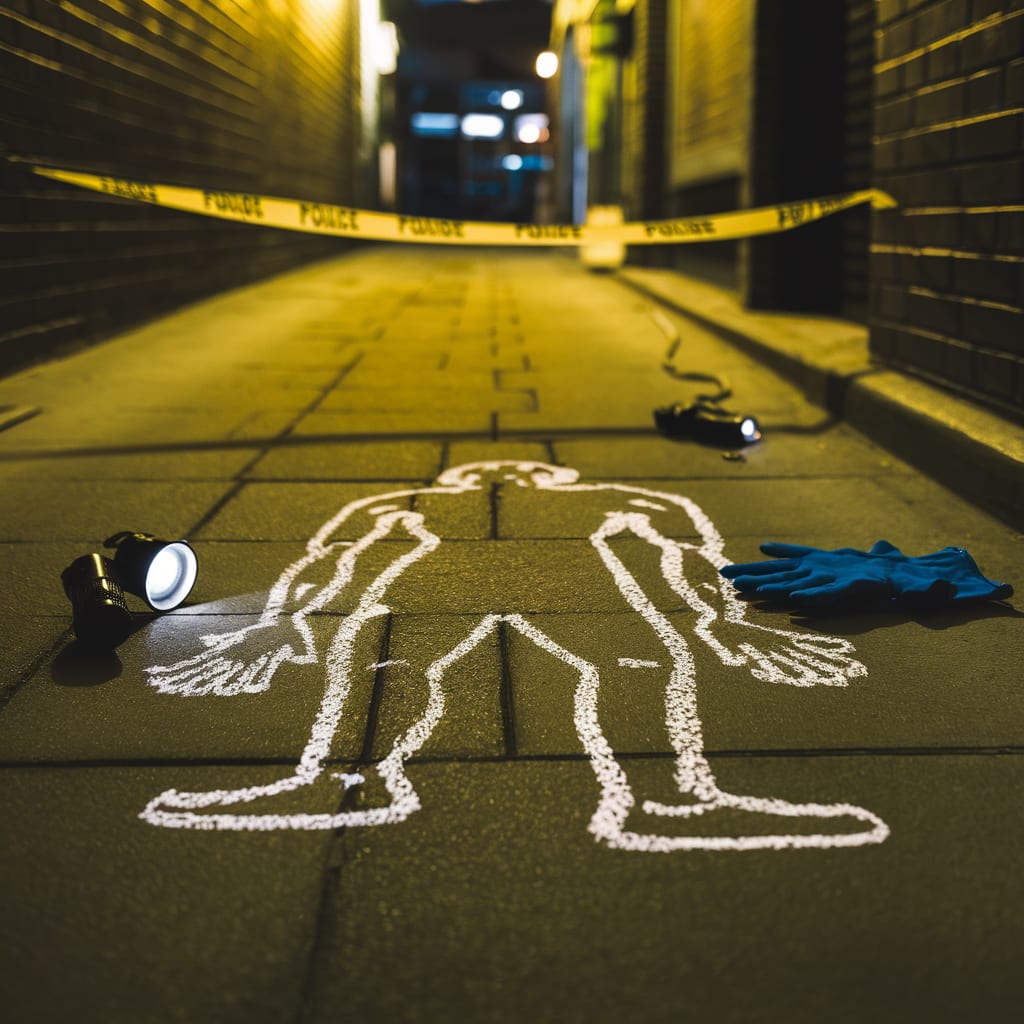
Detective Lila Monroe had learned early in her career that people lie — often. But evidence? Evidence rarely did.
On a rainy Thursday morning, Lila was called to the scene of a robbery-turned-homicide at a small jewelry store downtown. The victim was the store’s owner, Harold Preston, a man known for his sharp business mind and a somewhat abrasive personality.
The store was a mess. Drawers pulled out, glass cases shattered, and behind the chaos lay Harold’s body — a single gunshot wound to the chest.
The initial suspect was easy to name: Thomas Reed, a local with a string of petty crimes, caught nearby with a bag containing some of the stolen jewelry.
But something about this case didn’t sit right with Lila.
Thomas was found shivering in an alley two blocks from the scene, wearing no gloves and with no gun on him.
Yet, he was the only one with clear motive and proximity.
The evidence seemed straightforward. But Lila knew better — she’d seen too many cases where the obvious suspect was just a pawn.
Her first step was to dig deeper into the victim’s life.
Harold Preston had recently won a lawsuit against a competitor, causing a fierce rivalry. He had also been involved in some questionable real estate deals, rumors of shady partnerships circulating around the city’s underground.
Could this have been more than a simple robbery?
At the precinct, Lila began examining the physical evidence.
The bullet removed from Harold’s body was a 9mm, standard issue for many police departments, but the store’s security footage revealed no sign of a weapon at the time of the robbery.
She requested ballistics tests on the bullets found at the scene.
Her instincts told her the shooting was deliberate, calculated.
The forensic report confirmed it.
The bullet that killed Harold was fired from a gun not found on Thomas or anywhere at the scene. It was traced to a firearm registered to Harold himself.
Why would Harold shoot himself in the chest during a robbery?
The puzzle deepened.
Lila’s next breakthrough came when she questioned the store employees.
Two employees had been on duty that night: Rachel, the assistant manager, and Joel, a security guard.
Rachel was visibly shaken but cooperative, explaining that she had been restocking shelves when the robbery happened.
Joel, however, seemed nervous, avoiding eye contact and giving vague answers.
Lila pressed Joel.
“Where were you during the robbery?”
Joel hesitated.
“In the back office, securing the alarm system.”
Lila asked to see the office.
It was cramped and dusty, with a small desk and a filing cabinet.
She noticed a receipt taped to the underside of the desk — a payment to a local pawnshop dated the day before the robbery.
When she asked Joel about it, his face paled.
He admitted that Harold had been pressuring him to sell stolen goods quietly, using the pawnshop as a front.
Had Joel betrayed Harold?
Or was there someone else manipulating the situation?
Lila then re-examined the security footage more closely.
She saw a shadowy figure lingering near the back entrance shortly before the robbery began.
The figure didn’t match Thomas or the employees.
She enhanced the image and cross-referenced it with known criminals.
The face was barely visible but matched someone: Marcus Hall, a notorious fixer and middleman for the city’s crime syndicates.
Lila knew Marcus had a history of arranging hits disguised as crimes gone wrong.
Her next move was to confront Marcus.
She found him at a rundown bar on the outskirts of town.
When confronted, Marcus smiled coldly.
“You’re chasing ghosts, Detective.”
“Then explain why your prints are on the broken display case.”
Marcus’s smile faltered.
“I was there before the robbery — helping Harold move some merchandise. The deal went south.”
Lila pressed.
“Did Harold ask you to fake a robbery?”
Marcus hesitated, then nodded.
Harold had been trying to stage a robbery to claim insurance money — but something went wrong.
“I left before it happened,” Marcus said. “I swear. I didn’t kill him.”
Lila felt the case unraveling.
Harold had planned the robbery, perhaps to cover financial troubles, but the plan spiraled out of control.
Who had shot him? Joel? Rachel?
She decided to re-interview Rachel.
Rachel broke down, confessing that Joel had confronted Harold after the staged robbery went wrong.
In a heated argument over the insurance claim and blackmail threats, Joel had lost control and shot Harold.
She had helped Joel clean up the scene.
The final piece came when Lila found Joel’s gun hidden in a locker at the security office — the same gun that fired the fatal shot.
Joel was arrested, and the charges against Thomas Reed were dropped.
In the courtroom, Lila sat quietly, watching the evidence laid bare.
Each piece — the gun, the pawnshop receipt, the security footage, the testimony — had spoken a truth that no one wanted to face.
The jury deliberated for only a few hours before returning with the verdict: Guilty.
Justice had been served not by assumptions or guesses but by the hard, unyielding evidence.
As the courtroom emptied, Lila stepped outside into the clear afternoon sunlight.
She felt the weight lift from her shoulders.
In her world, the evidence spoke louder than words.
And today, it told the truth.
About the Creator
Keep reading
More stories from Anwar Jamil and writers in Criminal and other communities.
The Epstein Files: A Detailed and Professional Overview
The Epstein Files: A Detailed and Professional Overview The Epstein files refer to a vast collection of documents connected to Jeffrey Epstein, the disgraced financier whose criminal activities shocked the world and exposed serious questions about power, influence, and justice. These files include investigative records, legal documents, interviews, images, and internal reports gathered over many years by law enforcement and judicial authorities. Together, they provide a broad picture of Epstein’s activities, his connections, the crimes he was accused of, and the institutional responses to those crimes. The renewed attention to these files has made them a central topic in public discussion, media coverage, and political debate.
By America today 5 days ago in Criminal
January 26, Thirty Years on and Still No Grave
In Claremont, a wealthy suburb near Perth, three girls went missing from 1996 to 1997. Their disappearances left the city on edge. Ciara Glennon, Sarah Spiers, and Jane Rimmer vanished near two popular nightclubs in Claremont.
By Calvin London5 days ago in Criminal



Comments
There are no comments for this story
Be the first to respond and start the conversation.