
The Rise and Fall of Jeffrey Epstein
A detailed look at power, secrecy, and one of the most disturbing criminal cases of modern history

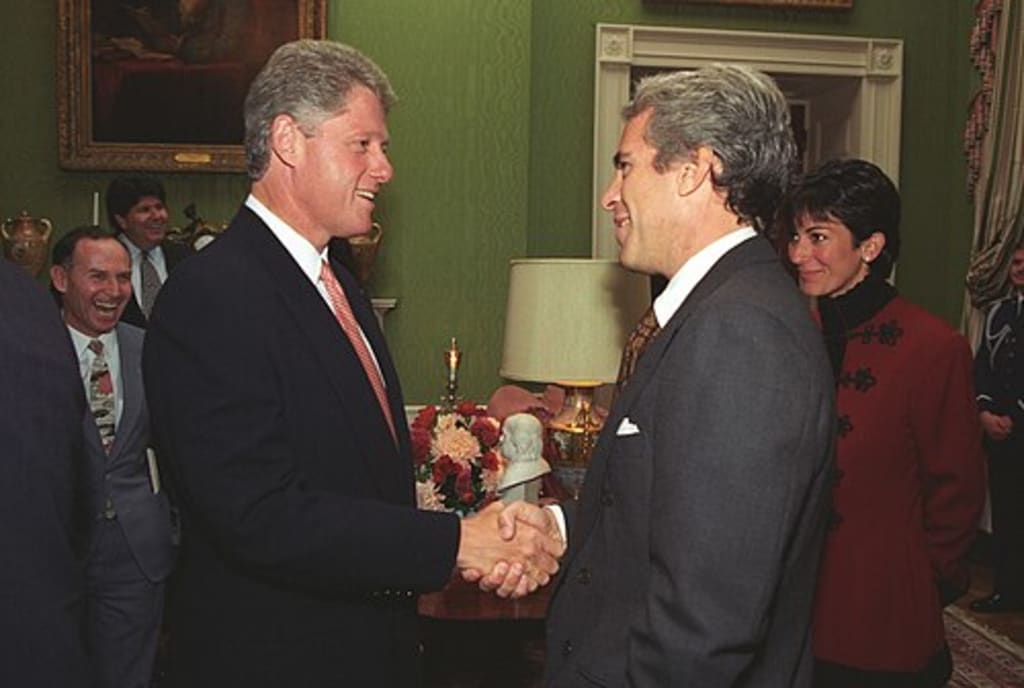
Jeffrey Epstein was once known as a mysterious billionaire with connections to politicians, royalty, and powerful business figures. Behind his wealth and influence, however, was a long pattern of abuse that shocked the world when it came fully to light. His story is not just about crime—it is about how power, money, and secrecy can protect wrongdoing for decades.
This blog explores Epstein’s life, career, criminal history, and the wider impact of his actions in a clear and responsible way.
🧒 Early Life and Education
Epstein was born on January 20, 1953, in Brooklyn, New York, to working-class Jewish parents. His father worked for the city parks department, and his mother was a school aide and homemaker. Neighbors described the family as quiet and ordinary.
As a child, Epstein was considered intelligent, especially in mathematics. He attended public schools and later Lafayette High School, graduating early at the age of 16 after skipping two grades. He briefly studied at Cooper Union and later at New York University but never completed a degree.
Despite leaving university without graduating, Epstein managed to build an image of himself as a highly educated financial expert.
🧑🏫 Teaching Career at Dalton School
In 1974, Epstein began working as a mathematics teacher at the Dalton School, an elite private school in Manhattan. His hiring raised questions later because he had no formal teaching credentials.
Former students later reported that Epstein showed inappropriate interest in young female students and often behaved unprofessionally. He was dismissed in 1976 for “poor performance,” but this period placed him in close contact with wealthy families—connections that would shape his future.
💼 Wall Street and Financial World
After leaving Dalton, Epstein joined Bear Stearns, a major Wall Street investment bank. Starting as an assistant, he rose quickly to become an options trader and financial adviser for wealthy clients.
By the early 1980s, he left Bear Stearns and started his own consulting firm, Intercontinental Assets Group. He presented himself as a financial “problem solver,” helping rich clients recover lost money or manage complex tax matters.
Later, he founded J. Epstein & Company, which claimed to manage the money of billionaires. Although he was secretive about his clients, his lifestyle suggested enormous wealth.
🏝️ Wealth, Properties, and Lifestyle
Epstein owned or controlled luxury properties in:
New York City
Palm Beach, Florida
New Mexico
Paris
A private island in the U.S. Virgin Islands
These homes became central locations in his criminal activities. He traveled on private jets and surrounded himself with powerful figures from politics, business, and entertainment.
His social circle included former presidents, business leaders, and foreign royalty. These associations gave him an image of legitimacy and influence.
🚨 First Criminal Investigation (2005–2008)
In 2005, police in Palm Beach, Florida, began investigating Epstein after a mother reported that he had abused her 14-year-old daughter. Detectives identified dozens of teenage girls who described similar patterns of abuse.
Victims said Epstein paid them for massages that turned sexual and encouraged them to recruit other girls. This created a system of exploitation that lasted for years.
In 2008, Epstein pleaded guilty in Florida state court to:
Procuring a minor for prostitution
Soliciting prostitution
He received an 18-month sentence but served only about 13 months, mostly under work-release conditions. The plea deal was widely criticized for being extremely lenient.
⚖️ Second Arrest and Federal Charges (2019)
In July 2019, Epstein was arrested again, this time on federal charges of sex trafficking minors in Florida and New York. Prosecutors described a large network of victims and years of abuse.
While awaiting trial in a federal jail in New York City, Epstein was found dead in his cell on August 10, 2019. The medical examiner ruled his death a suicide by hanging.
However, the circumstances of his death—malfunctioning cameras and guards who failed to check on him—led to widespread public suspicion and conspiracy theories.
👩⚖️ Role of Ghislaine Maxwell
Epstein had a long association with socialite Ghislaine Maxwell, who prosecutors said helped recruit and groom young girls for him.
In 2021, Maxwell was convicted on federal charges related to sex trafficking and conspiracy. Her conviction confirmed that Epstein’s crimes were not committed alone.
💰 Victims and Financial Settlements
At the time of Epstein’s death, his estate was estimated at around $600 million. Courts ordered that much of this money be used to compensate victims.
Major banks also faced lawsuits for continuing to work with Epstein despite warning signs. Victims received large settlements, including:
Hundreds of millions from Epstein’s estate
Additional compensation from financial institutions accused of enabling his activities
These payments did not undo the harm but acknowledged the suffering of survivors.
🧩 Epstein’s Network and Influence
Epstein cultivated relationships with politicians, scientists, billionaires, and celebrities. Documents released in later years showed how wide and powerful his network had become.
These relationships raised difficult questions:
Why were warning signs ignored?
How did he avoid serious punishment for so long?
Who benefited from his financial services and connections?
His case exposed weaknesses in law enforcement and financial oversight when dealing with wealthy and influential individuals.
🧠 Public Reaction and Cultural Impact
Epstein’s death and the secrecy around his life sparked massive public attention. His name became associated with:
Abuse of power
Failure of justice systems
Elite protection and privilege
The phrase “Epstein didn’t kill himself” became a viral slogan reflecting public mistrust of official explanations.
More importantly, his case increased awareness of:
Human trafficking
Sexual exploitation
The need for survivor protection
📖 Lessons from the Epstein Case
The Epstein scandal teaches several painful lessons:
Wealth does not equal morality – Money can hide crimes, but it does not excuse them.
Victims must be believed – Early warnings were ignored for years.
Justice must be equal – Legal systems must not favor the rich and powerful.
Transparency matters – Secrecy protects criminals, not society.
About the Creator
Haroon Pasha
✍️ Passionate writer sharing stories, ideas, and insights on trending topics, life, and personal growth.
📚 I write to inform, inspire, and spark meaningful conversations.
🌍 Exploring the world one article at a time.
Keep reading
More stories from Haroon Pasha and writers in Criminal and other communities.
Donald Trump — Power, Politics, and a Divided Nation
Donald John Trump is one of the most recognizable and polarizing figures in modern American history. Known first as a businessman and television personality, he later became the 45th and 47th President of the United States. His life story is filled with ambition, success, controversy, and constant public attention. Whether admired or criticized, Trump’s influence on politics and media is undeniable.
By Haroon Pashaabout 12 hours ago in Chapters
The Most Wanted Man in America: The Night I Served Coffee to John Dillinger
The Most Wanted Man Snow softened the city. It fell quietly over rooftops, streetlamps, and newspaper stands, covering the sharp edges of Manhattan in a fragile kind of peace — the kind that never lasted long in America anymore.Inside a narrow diner on Lexington Avenue, the air smelled of coffee, toast, and radiator heat. Midnight had passed. Only two customers remained: a tired taxi driver asleep in a booth… and the man who always sat by the window.
By shakir hamid6 days ago in Criminal
Craft Over Catharsis Challenge Winners
Craft Over Catharsis? What the hell does that even mean? The phrase came out of a curation meeting as a genuine question. We had been noticing that many challenge entries, across prompts, naturally gravitate toward trauma, grief, and personal reckoning. That makes sense. Writing is often cathartic. It's one of the ways we process what we've lived through.
By Vocal Curation Team6 days ago in Resources



Comments
There are no comments for this story
Be the first to respond and start the conversation.