
Oilfield Chemicals: Enhancing Exploration and Extraction Processes
Applications of Oilfield Chemicals
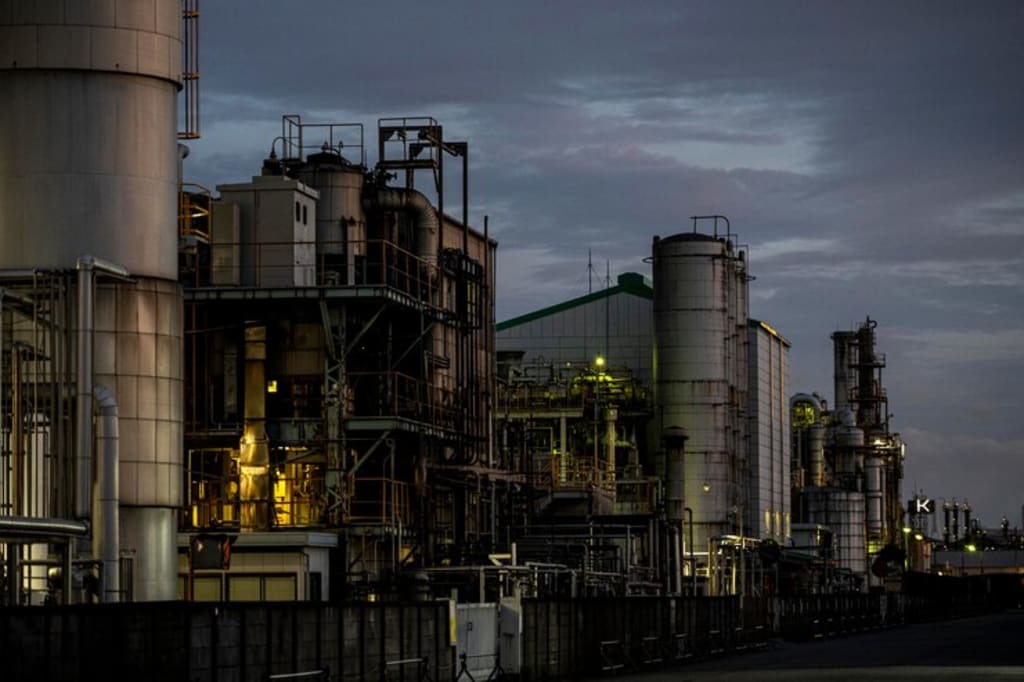
Oilfield Chemicals play a vital role across various stages of hydrocarbon extraction, from initial exploration to final production. During drilling operations, chemicals are used for a variety of purposes including borehole stability, lubrication, shale inhibition and corrosion prevention. Without the application of suitable drilling fluids and additives, borehole integrity would suffer tremendously. Mud additives and corrosion inhibitors allow expensive downhole equipment like drill pipes, casing and BOP stacks to function effectively in harsh subterranean conditions for longer periods of time.
In the secondary recovery stage, displacement and workover fluids make enhanced oil recovery methods possible. Oilfield Chemicals EOR techniques like polymer flooding, surfactant-polymer flooding and alkaline–surfactant–polymer flooding would not be feasible without purpose-designed polymers, surfactants and alkalis. These specialty chemicals alter underground reservoir properties to mobilize remaining oil for production. Alternatively, acids are used to remove scale buildup and wax deposits, restoring lost well productivity during well workovers.
Oilfield Chemicals are critical for production optimization as well. Biocides, scale inhibitors, hydrogen sulfide scavengers and paraffin dispersants are regularly pumped into active wells and pipelines to prevent production losses from corrosion, salt precipitation, H2S hazards and wax deposition over time. Flow assurance additives aid in the trouble-free transmission of oil and gas from reservoir to the surface. Cementing chemicals form durable barriers between zones of the well for zonal isolation. Coil tubing, nitrogen solutions and other workover aids facilitate quick intervention and repair operations on active wells.
Constituents and Types of Oilfield Chemicals
Given the diverse roles that Oilfield Chemicals play, manufacturers offer a wide range of specialized formulations tailored for different E&P applications. Some major chemical classes commonly used in the oil and gas industry include:
- Drilling fluids: Water-based muds, oil-based muds, foams and other drilling fluid systems comprise materials that suspend cuttings, control formation pressure and ensure borehole stability. Their key components are clays, weighting agents, viscosifiers, fluid loss additives, lubricants and others.
- Cementing chemicals: Cement slurries set and harden to form hydraulic barriers between the casing/formation. They contain Portland cement, accelerators, retarders, fluid loss additives and dispersants.
- Production chemicals: Biocides, scale inhibitors, paraffin dispersants, H2S scavengers, corrosion inhibitors, asphaltene inhibitors and hydrate inhibitors are everyday production chemicals.
- Stimulation chemicals: Acids like hydrochloric acid and inhibitors are used for matrix acidizing. Proppants like sand and ceramic materials are used for hydraulic fracturing.
- Specialty chemicals: Surfactants, polymers, crosslinkers, breakers, complexing agents and other specialized formulations serve niche functions in areas like EOR and well interventions.
Get More Insights On- Oilfield Chemicals
Get these Report in Japanese Language:
Get these Report in Korean Language:
About Author:
Money Singh is a seasoned content writer with over four years of experience in the market research sector. Her expertise spans various industries, including food and beverages, biotechnology, chemical and materials, defense and aerospace, consumer goods, etc.
About the Creator
Keep reading
More stories from pragatibodkhe and writers in Critique and other communities.
Chemical Behavior of Crotonaldehyde: Reactivity and Transformation
Crotonaldehyde is an organic compound that is classified as an aldehyde. Its chemical formula is C4H6O and it is also known as 2-butenal. Crotonaldehyde is a colorless liquid with a disagreeable odor. It is irritating to the skin, eyes and respiratory tract upon contact or inhalation.
By pragatibodkheabout a year ago in Futurism
Standing While Falling
Quotation from Friedrich Nietzsche "He who wrestles long with monsters should beware lest he himself become a monster. And if you gaze long into an abyss, the abyss also gazes into you. Man is not destroyed by suffering, but by the meaning he makes of it."
By LUCCIAN LAYTH26 days ago in Critique
Marty Supreme: Movie Review
Marty Supreme presents itself as a sports film, but it isn’t really about victory, legacy, or even competition. It’s a hyper focused character study of an athlete whose entire sense of self is tied to proving his superiority even when the proof is unnecessary, humiliating, or already lost.
By Louise Noel 6 days ago in Critique



Comments
There are no comments for this story
Be the first to respond and start the conversation.