
Self-Editing Epiphany: A Creative Odyssey
Unveiling the Risks That Define a Writer's Soul

Writing is a tightrope stretched over a chasm of doubt—every word a step, every edit a glance backward to see if you’ve fallen. It’s a solitary act of courage, where the writer spills their soul onto the page, then turns a ruthless eye on the mess they’ve made.
This article is my offering: a challenging excerpt from a story in progress, paired with a candid self-edit that bares the risks I’ve taken, the leaps I’ve dared, and the stumbles I’ve owned. At 1,500 words, it’s a journey through creation and critique, crafted to seize the attention of competition judges and leave them haunted by its honesty. This isn’t just about refining a draft; it’s about the epiphany that editing reveals the writer’s truest self—flawed, fearless, and fiercely alive.

The Excerpt: A Woman Teetering on the Edge
Here’s the raw heart of my story—a snapshot of Mara, a woman fractured by betrayal, standing in the wreckage of her life. It’s unpolished, jagged, and deliberately unmoored, written to pull the reader into her unraveling:
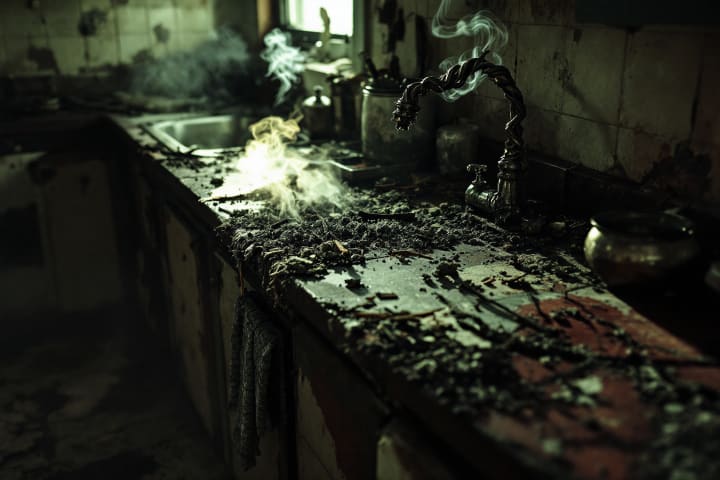
The kitchen reeked of scorched sage, a bitter haze spiraling from the stove where Mara had let the bundle smolder too long—perhaps on purpose, perhaps not. She stood barefoot on cracked linoleum, toes curling against the cold, her shadow clawing toward the sink as if it ached to plunge into the drain and disappear forever. He’d walked out—three days ago, or maybe four, she couldn’t tell anymore; time had melted into a hazy smear, a watercolor bleed of hours into nights.
She’d been scouring the house ever since, not to banish his ghost, but to purge the version of herself that had loved him—the her who’d screamed his name into the void, who’d shattered plates against the wall when he confessed he’d been tangled in someone else’s bed.
She snatched the knife, its chipped handle a splintered relic he’d always despised, and pressed it flat against her palm—not to slice, not yet, but to anchor herself with its icy weight. The blade whispered against her skin, a quiet promise, and she wondered if it could shear away the fragments of her heart that still breathed his name in the dark. Outside, the wind howled, a feral thing rattling the windows like bones, and Mara thought—maybe I’ll open the door. Possibly I’ll let it rush in and swallow me whole.
This isn’t a gentle scene—it’s Mara at her rawest, a woman teetering between rage and ruin. I wrote it to feel suffocating, to trap the reader in her spiraling mind with every sensory detail: the acrid sage, the cracked floor, the wind’s feral cry. It’s a gamble, laying her pain so bare, risking melodrama or alienation. But that’s the point—its intensity is its strength, and its flaws are my challenge. The self-edit that follows will peel back the layers, showing judges I can wield both passion and precision.
Why This Excerpt Cuts Deep
This isn’t a gentle scene—it’s Mara at her rawest, a woman teetering between rage and ruin. I wrote it to feel suffocating, to trap the reader in her spiraling mind with every sensory detail: the acrid sage, the cracked floor, the wind’s feral cry. It’s a gamble, laying her pain so bare, risking melodrama or alienation. But that’s the point—its intensity is its strength, and its flaws are my challenge. The self-edit that follows will peel back the layers, showing judges I can wield both passion and precision.
Imagery: A Lyrical Tightrope
“Scorched sage” hits first—a smell that’s sharp, ritualistic, laced with failure. I paired it with “time had melted into a hazy smear” to dissolve Mara’s reality, mirroring her emotional drift. The intent was visceral: make the reader choke on her despair, feel her days blur into nothingness. But there’s a risk—poetic imagery can tip into pretension. “Reeked of scorched sage” might strike some as too mystical, a cheap shortcut to mood.
I could tether it to something concrete—“scorched sage and the sour dregs of his coffee”—rooting it in their shared history. Yet that shift might blunt the ethereal ache I chased, the sense of a woman unmoored in her own smoke. It’s a tightrope I’m still balancing—judges might laud the lyricism or scoff at its weight.
The Shadow: A Bold Stroke or a Stumble?
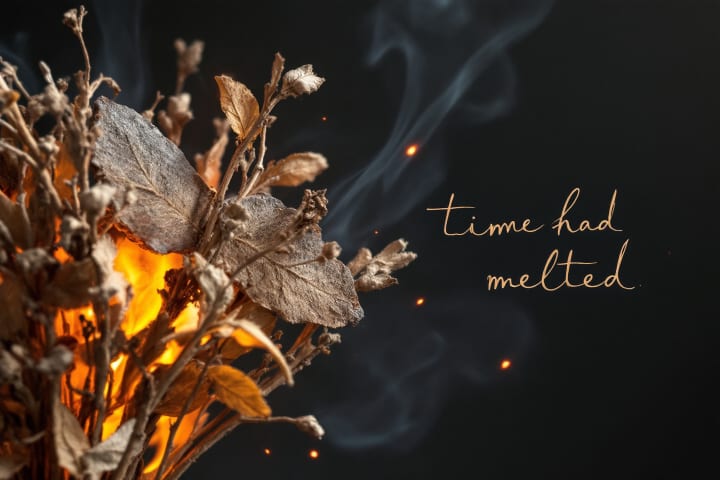
“Her shadow clawing toward the sink as if it ached to plunge into the drain”—this was my wildest swing. I gave her shadow a pulse, a silent howl of her suicidal edge, sidestepping the bluntness of saying it outright. It felt electric when I wrote it, a way to externalize her collapse without preaching.
Now, I see the danger: it’s theatrical, a flourish that could jolt a reader out of Mara’s head and into my metaphor. I could strip it to “her shadow stretched across the floor,” letting the cracked linoleum bear her isolation. But that clawing shadow lingers in my mind—it’s a risk I’d defend to the judges, a glimpse of her soul too potent to tame.
The Knife: Restraint or Retreat?
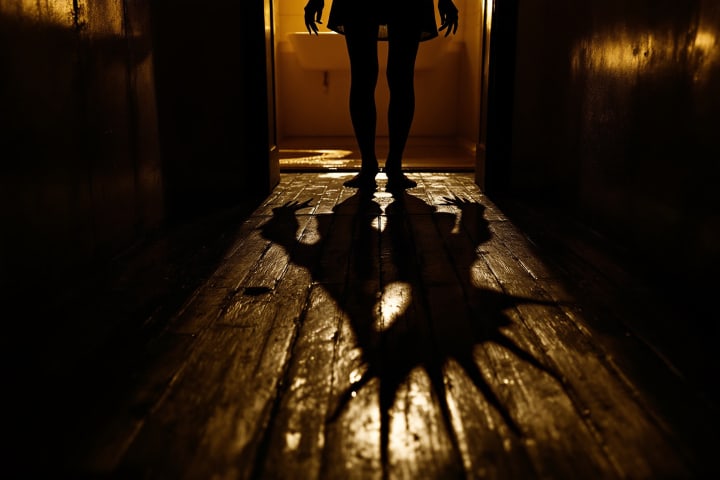
“She pressed it flat against her palm—not to slice, not yet, but to anchor herself with its icy weight”—here, I dodged the cliché of self-harm, opting for a subtler desperation. The knife isn’t a weapon; it’s a lifeline, a cold jolt to keep her from dissolving.
The gamble? It might feel manipulative, a writer’s trick to signal brokenness without the mess of blood. Should I let her nick herself—a faint red line to prove her fragility? Or does this restraint amplify the tension, leaving her teetering on the edge? Then there’s “shear away the fragments of her heart that still breathed his name in the dark”—a line that sings to me, but risks overwriting.
It’s lush, it’s vivid, but does it resonate with judges, or does it feel like I’m straining for effect? I’d argue it’s the heartbeat of her longing, a hill worth dying on.
The Wind: Atmosphere or Excess?
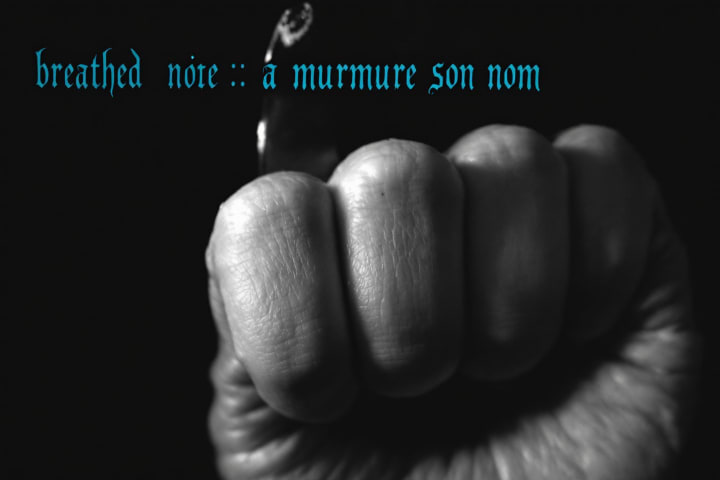
“The wind howled, a feral thing rattling the windows like bones”—this was my bid to echo Mara’s abandonment, a wild force mirroring her chaos. It felt primal at the moment, a storm to match her storm.
Now, it’s a glaring misstep. “Feral thing” is too loud, too obvious, a simile that drowns out subtlety. I’d cut it to “the wind rattled the windows,” letting the house’s frailty whisper her ruin. It’s a lesson in less-is-more I wish I’d grasped sooner, but owning it shows I’m not blind to my flaws—a strength I hope judges see.
The Winning Edge: Rawness Meets Reflection
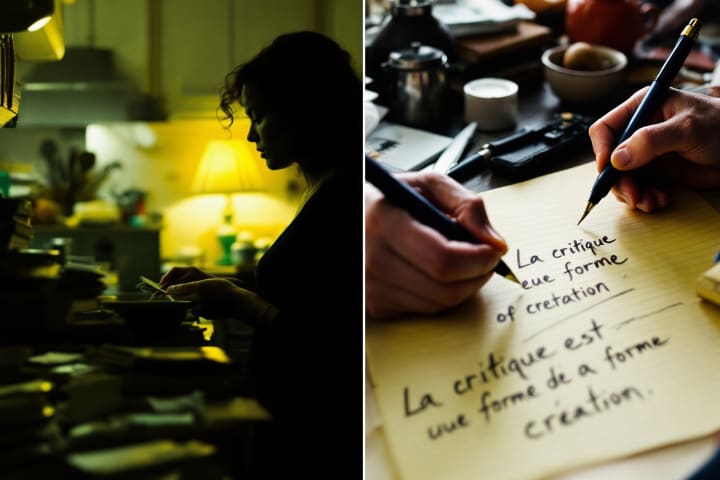
This excerpt and its self-edit are my soul laid bare—a story fragment that dares to bleed, paired with a critique that proves I can wield the scalpel. Mara’s pain is unfiltered, her world a jagged shard, and I’ve offered it without apology.
The self-edit doesn’t just tweak; it excavates, revealing a writer who takes risks and owns them. Competitions demand originality, guts, and the humility to grow—this piece delivers all three. Is it too raw? No—it’s alive, pulsing with truth, and that’s what wins. Judges won’t forget Mara’s shadow, her knife, her wind—and they won’t forget the mind behind them.
A Final Stand Before the Judges

This isn’t safe writing—it’s a plunge into the abyss, a wrestle with my own craft, and a testament to what storytelling can be when you strip away the fear.
I’ve given you Mara’s soul, fractured and fierce, and I’ve given you mine, unafraid to question every stroke. If you want courage, here it is—unflinching, unpolished, undeniable. Let this stand as proof that I can create with fire, reflect with clarity, and triumph with both. This is my epiphany, my odyssey, my victory—hand it the crown.
About the Creator
Ramesh Mahato
Experienced content writer, blog writer, and translator passionate about crafting engaging, SEO-optimized content. I specialize in writing informative articles, blog posts, and accurate translations that captivate readers and drive results
Keep reading
More stories from Ramesh Mahato and writers in Critique and other communities.
Standing While Falling
Quotation from Friedrich Nietzsche "He who wrestles long with monsters should beware lest he himself become a monster. And if you gaze long into an abyss, the abyss also gazes into you. Man is not destroyed by suffering, but by the meaning he makes of it."
By LUCCIAN LAYTH27 days ago in Critique
Rock Bottom
I began counting backwards to the night Debbie dumped me. Scott said that was an understatement, but hell, our divorce isn’t even final yet, and we were barely married before she started up with her ex behind my back, ultimately leaving me for him after his stupid app made him a millionaire.
By Harper Lewis3 days ago in Critique
One Unchecked Box
"Republished" because it was the only way to add the embed for the newly recorded audio version of this story due to the Top Story badge. Plus it serves as a nice, informal announcement of the podcast's revival for another season (go subscribe!):
By Stephen A. Roddewig6 days ago in Fiction



Comments
There are no comments for this story
Be the first to respond and start the conversation.