
Man Arrested Over Deadly Delhi Car Bomb Attack
A closer look at Iran’s bold attempt to fight its worst drought through cloud seeding.

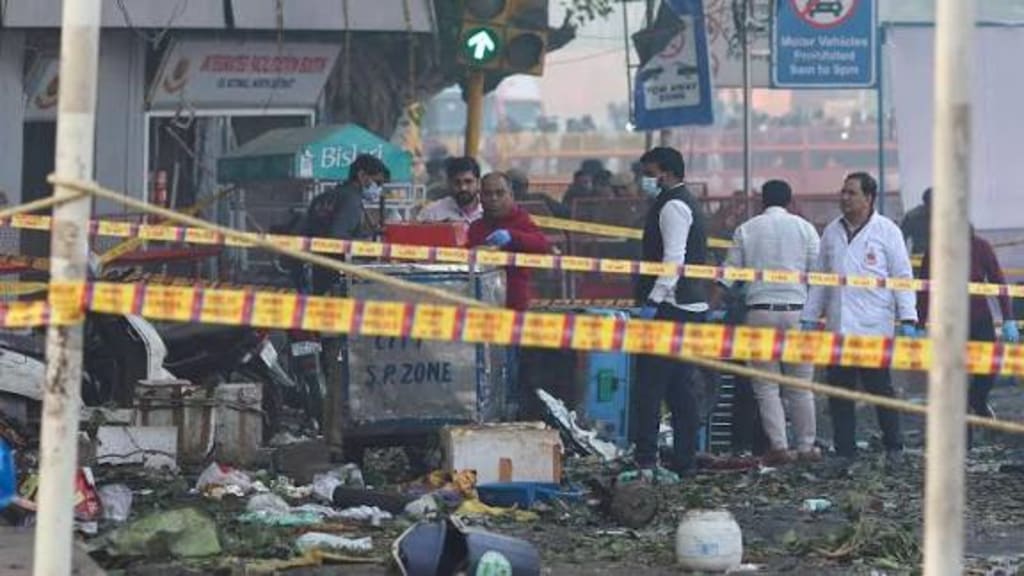
Fresh Arrest Sheds Light on a Violent Blast That Shook India’s Capital
Delhi has witnessed many moments of crisis in its long and complex history, but few incidents have shaken the city as profoundly as the recent deadly car bomb attack that tore through a bustling neighborhood. As investigators combed through debris and fragments of shattered routine, the nation waited for answers. Now, authorities have announced a major breakthrough: the arrest of a key suspect believed to be linked directly to the explosion.
This development has not only revived public conversation about urban security but has also raised important questions about the networks behind such attacks and the methods used to identify suspects in a city of over 20 million people. The arrest marks a turning point in a case that has left families grieving, communities fearful, and a country demanding justice.
The Blast That Stunned the Capital
The attack occurred during peak evening traffic hours—when markets are crowded, offices release their workers, and public transport is overflowing with commuters. A car parked along a busy stretch suddenly erupted into flames, sending a shockwave through nearby buildings and injuring dozens. Several people lost their lives in the explosion, while others were rushed to hospitals with severe burns and trauma-related injuries.
Witnesses described scenes of chaos: people screaming, running, and trying desperately to rescue those trapped in vehicles or pinned by debris. Videos from the aftermath show streets blanketed with smoke, burning wreckage, and emergency workers struggling to navigate through panicked crowds.
For many residents, the attack felt eerily similar to earlier episodes of urban terror the city has endured. Still, the scale and timing of this explosion created new urgency for investigators and security agencies.
Breakthrough: A Suspect in Custody
After days of forensic analysis, CCTV screening, and intelligence gathering, investigators announced a significant arrest. The man, whose identity is being withheld for security reasons, was tracked down using a combination of digital forensics and eyewitness accounts. Authorities reported that his movements near the site shortly before the explosion raised immediate suspicion.
Preliminary investigations suggest that the suspect may have played a direct role in planting or remotely triggering the explosive device. His communications, now under close review, could reveal whether he acted alone or was part of a larger network with motives that extend beyond Delhi.
The arrest has offered relief to many, but it has also opened the door to new layers of complexity. If the attack was coordinated, authorities will need to determine who else might be involved—and whether more attacks were planned.
What Investigators Are Searching For Now
Officials have stated that they are looking into both domestic and cross-border connections. This includes analyzing the type of explosive used, tracing the origins of critical components, and determining how the attackers acquired technical expertise.
Investigators are also focusing on digital clues, such as:
Encrypted messages
Online financial transactions
Surveillance footage from nearby shops and metros
Vehicle registration anomalies
This case has once again highlighted the role of technology in modern criminal investigations. From facial recognition tools to advanced bomb forensics, every fragment of digital evidence is being treated as a potential breakthrough.
Security Concerns and Public Reaction
News of the bombing, followed by the arrest, has sparked renewed public concern about the city’s vulnerability to targeted attacks. Delhi is not just India’s political center—it is a symbol of national identity, home to foreign embassies, government ministries, and millions of everyday citizens who rely on its infrastructure.
In the aftermath of the blast, security checks intensified across the capital. Police increased patrols at railway stations, malls, government buildings, and major markets. While many citizens welcomed the vigilance, others expressed fear that such attacks could become more frequent if root causes are not addressed.
Families of victims have been vocal in demanding fast justice and long-term safety reforms. Social media has also become a platform for grief, anger, and calls for accountability.
Political Fallout
The attack has inevitably taken on political dimensions. Opposition leaders questioned intelligence lapses and demanded stronger internal security measures. The government, meanwhile, emphasized that the arrest proves its agencies are capable and committed to protecting the nation.
With elections always on the horizon in India’s politically charged environment, even security incidents can shift the tone of national discourse.
A City Trying to Heal
Delhi is a city that has survived empire, rebellion, and modern chaos. Yet each tragedy leaves an imprint. As authorities continue interrogating the arrested suspect and searching for additional links, the people of Delhi attempt to return to a sense of normalcy.
For the families who lost loved ones, however, normal may never fully return. Their grief stands as a stark reminder of why investigations must be thorough, justice swift, and security reforms thoughtful.
The arrest marks progress, but the story is not over. The capital—and the country—now watches closely, hoping the path ahead leads toward truth, accountability, and lasting safety.
About the Creator
Fiaz Ahmed Brohi
I am a passionate writer with a love for exploring and creating content on trending topics. Always curious, always sharing stories that engage and inspire.
Keep reading
More stories from Fiaz Ahmed Brohi and writers in Earth and other communities.
Iran Begins Cloud Seeding to Induce Rain Amid Historic Drought
A High-Tech Gamble to Rescue a Nation Struggling for Water Iran, a country known for its ancient waterways, fertile plains, and engineering marvels such as qanats, is now facing one of the most severe droughts in its modern history. Rivers have dried into cracked riverbeds, reservoirs have dropped to alarming levels, and millions of people are grappling with water shortages that threaten agriculture, power supplies, and daily life. In response, Iran has launched an ambitious and controversial initiative—cloud seeding—in an effort to artificially induce rain.
By Fiaz Ahmed Brohi3 months ago in Earth
The Northern Lights: Nature’s Mesmerizing Nighttime Spectacle
The Northern Lights, or Aurora Borealis, have fascinated humans for centuries. Their mysterious, shimmering waves of green, purple, and pink light dance across the Arctic skies, inspiring myths, legends, and scientific curiosity. But what causes this spectacular display, and why does it keep appearing, year after year, even today?
By Ayesha Lashari6 days ago in Earth
Scrapping of Jersey Solar Farm Plans Welcomed
The decision to scrap the proposed solar farm plans in Jersey has been widely welcomed by residents, environmental groups, and agricultural stakeholders, marking a significant moment in the island’s ongoing debate over sustainable development. While renewable energy remains a vital priority in the fight against climate change, the shelving of this particular project has highlighted the importance of balancing green ambitions with land preservation, food security, and community consent.
By Ayesha Lashari5 days ago in Earth
When True Love Never Questions Your Soul
“And she’s going to learn that this life will hit you, hard, in the face, wait for you to get back up, just so it can kick you in the stomach but getting the wind knocked out of you is the only way to remind your lungs how much they like the taste of air.” — Sarah Kay’s Poem — If I Should Have a Daughter
By Chantal Christie Weiss6 days ago in Humans


Comments
There are no comments for this story
Be the first to respond and start the conversation.