
Sports broadcasters and technologists are reshaping how games are experienced by deaf and hard-of-hearing fans, using innovations like vibration technology, visual cues, and enhanced captions to turn sound into something that can be seen and felt rather than just heard.
Reinventing Sports Audio for Deaf Fans

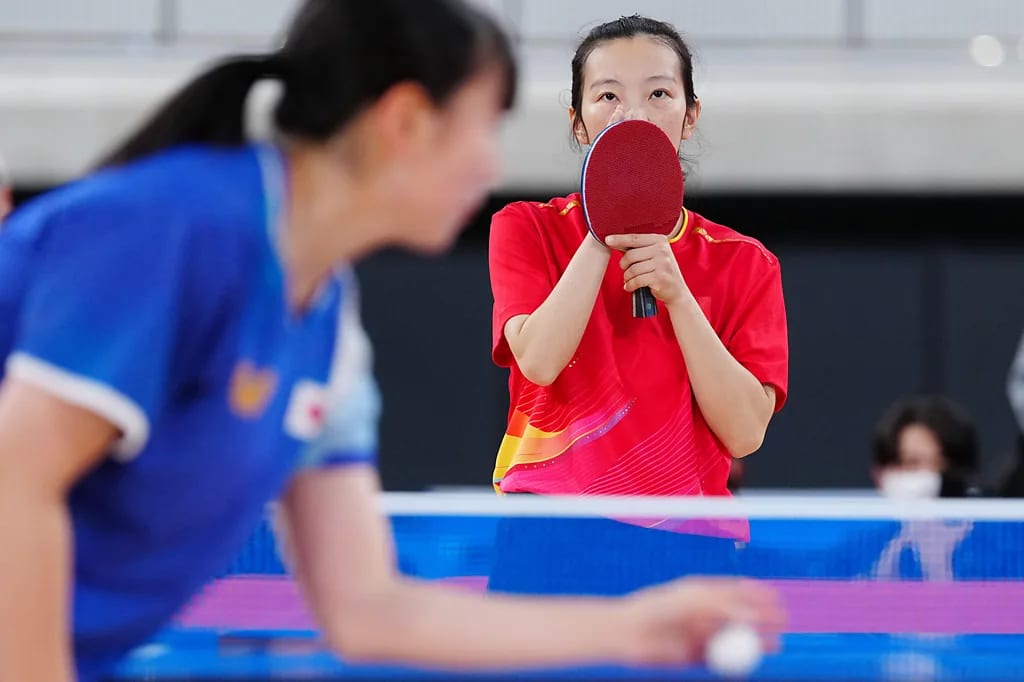
New technologies tested at the Deaflympics in Tokyo are creating ways of experiencing the atmosphere at sporting events.
For fans of sport the experience is as much about the atmosphere – the sights, smells and sounds – as the drama unfolding in front of them.
Think about the crack of a bat the blast of a whistle thump of a ball and the roar of the crowd. Would there be something missing without them? At the Deaflympics in Tokyo in November 2025 sound has been reimagined to ensure no-one misses out.
Filming recently for BBC TechXplore I learned that at the Deaflympics sound doesn't have to be something you hear. It can be something you see. Something you feel. Sometimes something you hold.
The Deaflympics has been around for than a century. It is the competition for deaf athletes. Now it is also a place where engineers, designers and deaf users work together to change how sport is experienced.
* On-screen onomatopoeia
* AI-powered announcements
* Vibrations in the audience
These are some of the technologies being tested at the Deaflympics in Tokyo. They give a glimpse of a future where sound's not just for those who can hear.
### Seeing Sound
Inside the table tennis arena I felt the excitement in the air as fans cheered for Japan.. Instead of focusing on the ball deaf spectators looked up.
Above the court big animated graphics flashed on a screen. They showed onomatopoeic words that matched the rhythm of play. Each hit was matched with characters that showed effects – like the ball hitting, the speed of the game and the power of a smash.
Onomatopoeia – words that imitate sounds – is important in culture. It is used in manga and media. At the Deaflympics it helps deaf fans understand the game.
Ito Maki from Japans Deaf Table Tennis Association said, "I used to play table tennis so I like to watch the matches.. For people who don't play or who are deaf this helps them understand better."
### Onomatopoeia in Other Areas
The Deaflympics had 19 venues in and around Tokyo. Thousands of visitors helped test new technologies.
* I tried Toppans screens at 19 Toei Metro stations. They translate sound to text.
* This helps deaf and hearing visitors whether they speak Japanese or not.
At Deaflympics Square I saw an AI-powered display made by Fujitsu. It listens to announcements, trains and music. It turns them into text. Sign language.
Onomatopoeia is used again. Certain sounds are shown visually to convey urgency, movement or emotion.
This device was made with the community, including kids from Kawasaki Municipal School for the Deaf.
### Feeling Sound
At Tokyo Budokan spectators wore vibration devices made by Hapbeat. They capture the sound of judo fighters. Turn it into vibrations.
Fans do not just watch a match – they feel it.
Deaf judo fan Eri Terada said, "When someone was thrown it was a thud. Each one was different. I thought, 'Wow – this is amazing. It's so easy to understand.'"
The device also gives cues like the start and end of bouts.
### A New Future, for Sound
The Deaflympics shows that shared experiences can be universal. With deaf users it is a great place to test and improve accessible technology.
About the Creator
Keep reading
More stories from The Academy Awards and writers in Earth and other communities.
Kobbie Mainoo has earned growing trust as a symbol of academy success, stepping confidently into what many see as his most important role yet and proving the value of youth development at the highest level.
Michael Carrick is really enjoying life as Manchester Uniteds temporary head coach. Since Carrick took over from Ruben Amorim month United have done well getting 13 points from five matches to move up to fourth in the Premier League.
By The Academy Awardsabout 13 hours ago in Earth
America Was Right About Wind Turbines: The “Dark Side” No One Wanted to Discuss, and Drones Begin to Move In
For decades, wind energy has been celebrated as a hero of renewable power—a symbol of a future free from fossil fuels. Towering wind turbines cutting through the sky are iconic images of progress and sustainability.
By Ayesha Lashari7 days ago in Earth
The Cave Part 6
If you have ever heard a tale about yourself that you cannot remember and doubtless think is made up, you will know how I felt when Tharkin related all that the eagle had seen of me before my memories were scattered. Of far distances and traveling companions that I did not recall, camping out under the stars and making our way to the mountains with deliberate purpose. The great bird had lost contact with my party once we entered the forests, and the seven other members were not seen again by him or his brethren since.
By Jamye Sharp5 days ago in Chapters


Comments
There are no comments for this story
Be the first to respond and start the conversation.