
Why will there be a food shortage as a result of climate change?
"Unraveling the Threads: How Climate Change Threatens Global Food Security"

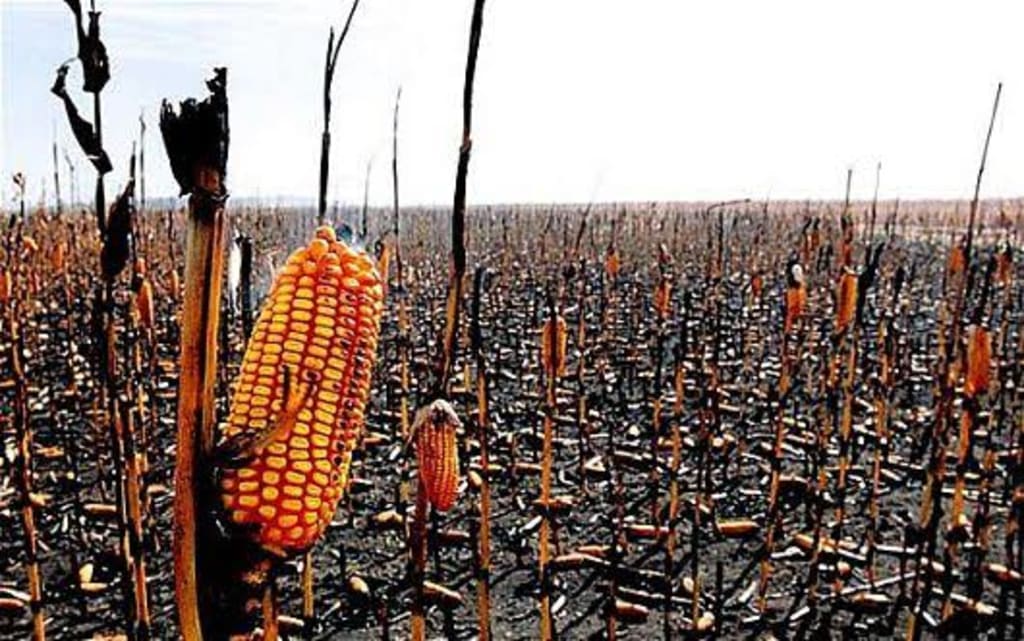
Climate change poses a significant threat to global food security, leading to concerns about a potential food shortage. Rising temperatures, extreme weather events, and shifting precipitation patterns can have profound impacts on agriculture, affecting crop yields and livestock production.
One key factor contributing to a potential food shortage is the changing growing conditions for crops. As temperatures increase, some regions may experience heatwaves, droughts, or erratic rainfall, making it challenging for farmers to cultivate certain crops. Conversely, other areas might face excessive rainfall or flooding, disrupting planting schedules and damaging crops.
Pests and diseases that affect crops are also likely to proliferate under warmer conditions, further jeopardizing agricultural productivity. The altered climate may create new habitats for pests or allow them to thrive in regions where they were previously limited. This could result in increased crop losses, affecting both quantity and quality.
Additionally, the availability of water resources is a critical factor for agriculture. Climate change can lead to changes in precipitation patterns and increased evaporation, affecting water availability for irrigation. This can reduce crop yields and limit the ability of farmers to sustainably manage their fields.
Rising sea levels and extreme weather events, such as hurricanes and typhoons, pose a threat to coastal areas and low-lying agricultural regions. These events can cause saltwater intrusion into freshwater sources, making the land unsuitable for cultivation and compromising the livelihoods of communities dependent on agriculture.
Furthermore, climate change impacts livestock through altered grazing conditions, heat stress, and increased susceptibility to diseases. Reduced livestock productivity can contribute to a decline in meat, dairy, and other animal-based products, further straining the global food supply.
In addition to the factors mentioned earlier, climate change can lead to changes in the nutritional content of crops. Elevated levels of carbon dioxide in the atmosphere, a consequence of climate change, can impact the nutritional quality of staple crops. Studies suggest that elevated CO2 levels may lead to decreased concentrations of essential nutrients such as zinc and iron in certain crops, potentially exacerbating nutritional deficiencies in vulnerable populations that rely heavily on these crops for sustenance.
The interconnected nature of global food systems means that disruptions in one region can have cascading effects on food supplies worldwide. Climate-induced crop failures or reduced yields in major food-producing regions can lead to price spikes, making food less affordable and accessible, particularly for those in low-income communities.
Moreover, the changing climate influences the suitability of different regions for specific crops. Traditional agricultural practices and the distribution of farming zones are based on historical climate patterns. As these patterns shift, farmers may need to adapt by changing the types of crops they grow or adjusting their cultivation methods. Such transitions can be challenging and may require significant investments in new infrastructure, technology, and knowledge.
The impact of climate change on fisheries and aquaculture further compounds the threat to food security. Warming oceans, acidification, and changes in marine ecosystems affect fish populations and the livelihoods of those dependent on fishing. This, in turn, disrupts a crucial source of protein and income for millions of people globally.
Efforts to address the potential food shortage resulting from climate change involve a combination of mitigation and adaptation strategies. Mitigation focuses on reducing greenhouse gas emissions to limit further climate change, while adaptation involves implementing measures to make agricultural systems more resilient to the changes that are already underway.
Ultimately, the complex interplay between climate change and food security underscores the urgency of global cooperation in implementing sustainable practices, developing resilient agricultural systems, and addressing the root causes of climate change to secure a stable and plentiful food supply for future generations.
In summary, climate change's multifaceted impacts on temperature, precipitation, pests, water resources, and extreme weather events collectively contribute to the risk of a food shortage. Addressing climate change and implementing sustainable agricultural practices are crucial steps to mitigate these risks and ensure a resilient global food system.
About the Creator
Keep reading
More stories from Aranna Hasan Delwar and writers in Earth and other communities.
Can people avoid the responsibility of the damage to the environment caused by the development of technology to live a better life?
In today's fast-paced world, the constant pursuit of technological advancements to enhance our quality of life has inadvertently led to severe environmental consequences. Despite the undeniable impact of these developments on the planet, individuals often find ways to evade responsibility for the environmental damage caused. This article explores the various tactics employed and the underlying reasons behind the evasion of accountability.
By Aranna Hasan Delwar 2 years ago in Earth
Asian Carp, the Massive Fish That Could Reshape the Great Lakes Forever
Beneath the surface of America’s Great Lakes lies a growing ecological threat that few people outside scientific and fishing communities fully understand. Known collectively as Asian carp, these massive and aggressive fish species are steadily moving northward through U.S. waterways, raising alarms among environmentalists, economists, and local communities. If they establish themselves in the Great Lakes, experts warn the consequences could be irreversible.
By Sajida Sikandar7 days ago in Earth
I Don't Need My Phone... Wait, Is That Actually True?
My parents gave me my first cell phone when I was twelve years old. It wasn't a fancy iPhone or anything, not even close. Just a simple black flip phone for when I needed to call or text them after school.
By Madison "Maddy" Newton2 days ago in Humans



Comments
There are no comments for this story
Be the first to respond and start the conversation.