
AI in Telemedicine: Revolution or Risk for Patients?
The 2025 Boom in Virtual Healthcare Tech

Introduction
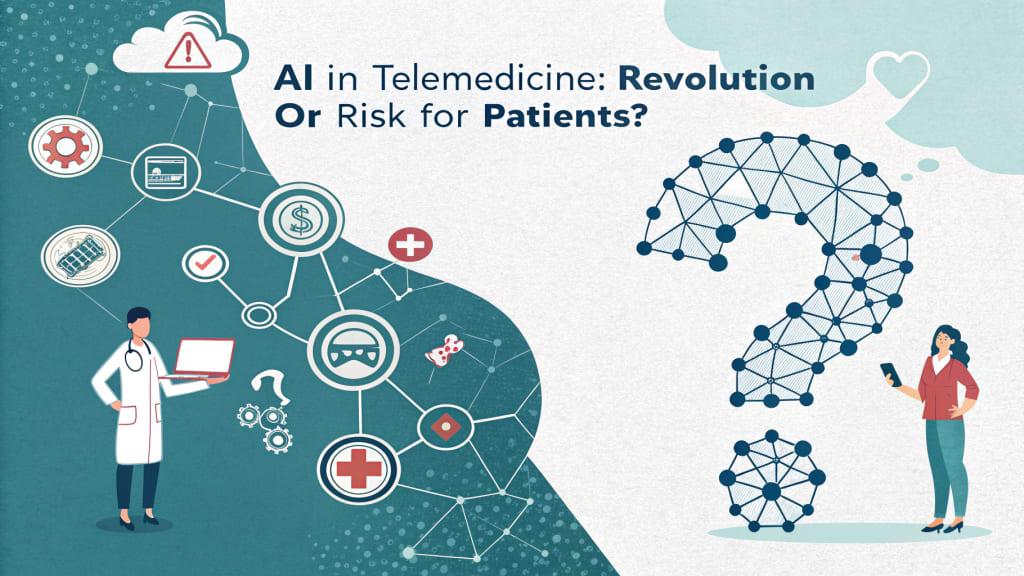
The integration of artificial intelligence (AI) into telemedicine has the potential to revolutionize healthcare delivery, making it more accessible and efficient. However, this rapid advancement also brings significant challenges and risks that must be carefully managed to ensure patient safety and privacy。This article explores the benefits and drawbacks of AI in telemedicine, examining its impact on patient care and the future of virtual healthcare.
The Benefits of AI in Telemedicine
Enhanced Diagnostic Capabilities
AI algorithms can analyze vast amounts of patient data to identify patterns and make accurate diagnoses. For example, AI-driven diagnostic systems can detect early signs of chronic diseases, mental health conditions, and other medical issues before they become critical。This early detection allows for timely interventions, potentially improving patient outcomes.
Personalized Patient Care
AI enables personalized care by analyzing individual patient data to tailor treatment plans. Virtual assistants powered by AI can remind patients of appointments, medication schedules, and lifestyle adjustments based on their health trends。This level of personalization not only enhances patient engagement but also improves overall health management.
Remote Monitoring and Real-Time Support
AI-driven telemedicine platforms offer continuous remote monitoring of patients' vital signs and health conditions. This technology is particularly valuable for managing chronic diseases, as it allows for early detection of potential health issues and timely intervention。By integrating technology into daily healthcare interactions, virtual care is becoming a cornerstone of accessible and effective medicine。
Challenges and Risks
Data Privacy and Security
The use of AI in telemedicine requires the collection and processing of vast amounts of sensitive patient data. Ensuring the privacy and security of this data is crucial to maintaining patient trust. Regulatory frameworks must be established to protect patient information and ensure compliance with data protection laws。
Algorithmic Bias and Fairness
AI algorithms are only as good as the data they are trained on. If the training data is biased, the resulting AI models can perpetuate or even exacerbate existing inequalities. Ensuring fairness and transparency in AI decision-making processes is essential to prevent discrimination。
Ethical Considerations
The use of AI in healthcare raises significant ethical concerns, including issues of bias, accountability, and transparency. Validating the reliability of AI tools based on sound clinical evidence is crucial to ensure their safe and effective use。Additionally, healthcare providers must be trained to use these technologies responsibly and ethically。
Future Outlook
Integration with Emerging Technologies
The future of AI in telemedicine lies in its integration with emerging technologies such as 5G, blockchain, and the Internet of Medical Things (IoMT). These advancements will enhance the capabilities of virtual healthcare, making it more connected and data-driven。
Policy and Payment Models
The growth of telemedicine also requires the development of sustainable reimbursement models and regulatory frameworks that support these services. Policymakers must work with healthcare providers and technology companies to create an ecosystem that fosters innovation while ensuring patient safety。
Conclusion
AI has the potential to transform telemedicine by enhancing diagnostic capabilities, personalizing patient care, and enabling remote monitoring. However, addressing challenges related to data privacy, algorithmic bias, and ethical considerations is crucial to ensuring that these technologies benefit all patients. By fostering collaboration between healthcare providers, policymakers, and technology companies, we can harness the full potential of AI to create a more accessible and effective healthcare system。
Recommended books
Genesis: Artificial Intelligence, Hope, and the Human Spirit
As Artificial Intelligence (AI) becomes more dynamic and ubiquitous, it is dramatically empowering people in all walks of life while also giving rise to urgent questions about the future of humanity—a historic challenge whose contours and consequences are revealed by three eminent thinkers in Genesis.
About the Author: With over a decade of experience as an internet product architect, I’ve spent my career crafting innovative application solutions that bridge technology and real-world needs. Now, as a passionate advocate for artificial intelligence, I focus on exploring its transformative applications. I’m committed to pushing the boundaries of AI to empower lives and shape a smarter future. Join me on this exciting journey as we uncover the endless possibilities of intelligent technology.
About the Creator
roc chiang
I'm a tech enthusiast and entrepreneur based in Vancouver. I share original articles on technology, business and other related topics on social media to showcase my passion and insights.
Editor-in-Chief:fengtou.ca
Keep reading
More stories from roc chiang and writers in Education and other communities.
AI and Cancer Misinformation: A Deadly Trend
Introduction The proliferation of artificial intelligence (AI) in social media has significantly transformed how information is disseminated and consumed, particularly in the realm of health-related content. However, this technological advancement has also led to a surge in misinformation, especially concerning cancer treatments and cures. According to recent studies, a staggering 81% of TikTok videos with the term “cancer cure” contained misinformation. This trend is not only misleading but also potentially harmful, as it can lead individuals to forgo evidence-based treatments in favor of unproven remedies.
By roc chiang9 months ago in Education
Is AI Transcription Accurate Enough for Professional Use?
The rise of artificial intelligence has transformed the way professionals handle audio and video content. Meetings, interviews, podcasts, court hearings, lectures, and media productions can now be converted into text within minutes using AI-powered transcription tools. What once took hours—or even days—can now be done almost instantly.
By Mahesh Kumar5 days ago in Education
Condition is King: A Professional's Guide to Grading Barber Half Dollars
As a Senior Numismatic Analyst, I've held thousands of Barber Half Dollars, each with a story told not in words, but in micro-abrasions. Minted from 1892 to 1915, these coins are a classic series where condition is everything. The difference between a Good (G-4) and an Extremely Fine (XF-40) specimen can be thousands of dollars, all hinging on the preservation of a few critical design elements. This guide will teach you the professional's methodology for identifying wear on a Barber Half Dollar, turning you from a casual observer into a discerning grader.
By Laura Bennett2 days ago in Education



Comments
There are no comments for this story
Be the first to respond and start the conversation.