
Anosh Ahmed: A Visionary Leader in Disaster Relief and Community Development
Compassionate Leadership: Anosh Ahmed’s Vision for Community Support

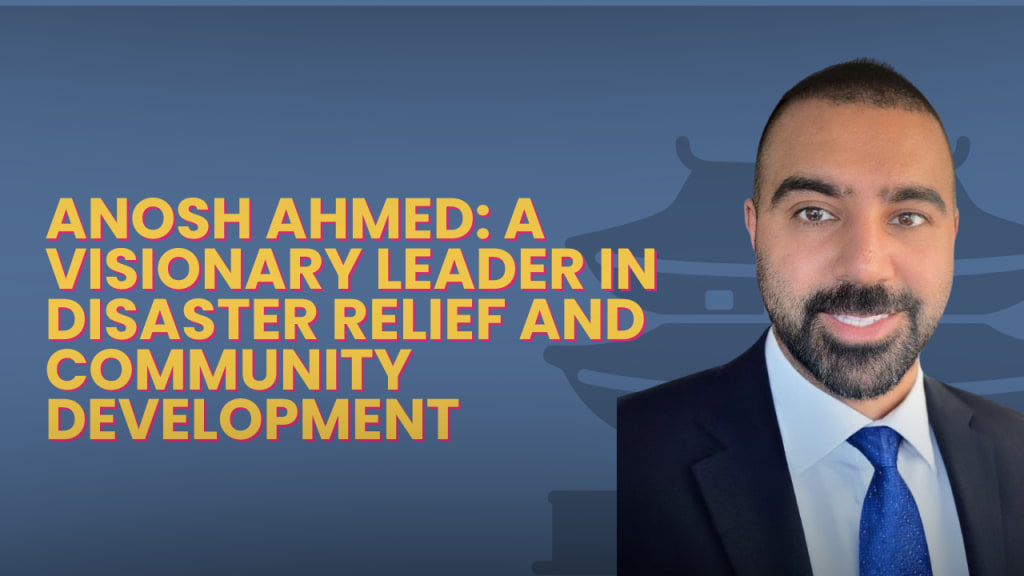
Natural disasters often strike without warning, leaving devastation in their wake. Families lose their homes, essential resources become scarce, and entire communities face an uphill battle to recover. In these critical moments, leadership and action can make all the difference. Anosh Ahmed, a philanthropist and entrepreneur, stands out for his commitment to helping communities rebuild and thrive after such crises. Through his foundation and initiatives, he has demonstrated how compassion and determination can create lasting change.
The Far-Reaching Impact of Natural Disasters
Natural disasters disrupt lives on an unimaginable scale. Homes are destroyed, access to clean water becomes a challenge, and healthcare facilities often struggle to provide adequate support. For many communities, the immediate aftermath of a disaster is marked by chaos, uncertainty, and a struggle for survival.
Disasters like hurricanes, earthquakes, and floods often reveal systemic vulnerabilities, leaving many regions unprepared for recovery. In these moments, timely intervention is crucial to saving lives and restoring hope. Addressing both immediate and long-term needs can empower affected communities to rebuild and emerge stronger.
Immediate Relief: Addressing Critical Needs
In the wake of a disaster, access to clean drinking water is often the first priority. Contaminated water sources pose significant risks, including dehydration and outbreaks of waterborne diseases. Relief efforts focus on delivering safe drinking water to affected areas, ensuring that families have access to this essential resource.
Food insecurity is another pressing issue. Without access to proper nutrition, affected individuals, especially children and the elderly, face increased health risks. Delivering food supplies is crucial to supporting survival in the days and weeks following a disaster.
Medical care is equally critical. Injuries sustained during the disaster, combined with a lack of access to healthcare, can turn manageable conditions into life-threatening situations. By supplying basic medical kits and supporting local healthcare providers, relief efforts can address immediate health concerns and prevent further crises.
Collaborating with Local Partners for Effective Aid Distribution
One of the key elements of successful disaster relief is collaboration. Partnering with local organizations and community leaders ensures that aid is distributed efficiently and reaches those who need it most. Local partnerships help identify vulnerable populations and cut through bureaucratic delays, allowing for faster and more impactful relief efforts.
This collaborative approach also fosters trust within communities, ensuring that affected individuals feel supported and heard. Relief efforts that prioritize transparency and inclusivity often see greater success in delivering meaningful aid.
Sustained Support: Beyond Immediate Relief
While addressing immediate needs is critical, disaster relief must also focus on long-term recovery. Rebuilding destroyed infrastructure is an essential step toward restoring normalcy. Homes, schools, and community centers are the foundation of any community, providing stability and a sense of belonging. By prioritizing reconstruction, relief efforts enable families to move out of temporary shelters and return to a more stable living environment.
Economic recovery is another vital aspect of long-term support. Small businesses, often the backbone of local economies, are frequently hit hardest by disasters. Providing financial support, facilitating access to resources, and creating job opportunities help families regain financial independence and rebuild their livelihoods. These efforts not only support individuals but also contribute to the overall recovery of the affected region.
Disaster Preparedness: Building Resilient Communities
Natural disasters are unpredictable, but their impact can be mitigated through preparedness. Education and training programs play a crucial role in helping communities respond effectively to emergencies. By teaching individuals how to protect themselves and their families during disasters, preparedness initiatives save lives and reduce the overall impact of crises.
Early warning systems, evacuation plans, and disaster response training are some of the tools that can make a significant difference. Investments in these areas ensure that vulnerable regions are better equipped to handle future challenges.
Preparedness also includes infrastructure improvements. Building resilient structures that can withstand extreme weather conditions reduces the likelihood of widespread destruction. Additionally, ensuring access to emergency supplies and medical care helps communities recover more quickly in the aftermath of a disaster.
The Role of Compassionate Leadership in Disaster Relief
Leadership during times of crisis requires more than resources; it demands empathy, vision, and the ability to inspire hope. Compassionate leaders prioritize the well-being of affected individuals and work tirelessly to provide both immediate relief and long-term solutions. Their efforts go beyond delivering aid—they focus on empowering communities to rebuild and thrive.
Compassionate leadership also fosters a sense of solidarity and unity. When leaders show genuine care and commitment, it inspires others to contribute, creating a collective effort that amplifies the impact of relief initiatives.
Key Strategies for Effective Disaster Relief Efforts
Effective disaster relief efforts are guided by several key strategies:
Rapid Response: Speed is essential in delivering aid. Timely action can save lives and prevent further suffering.
Collaboration: Partnering with local organizations ensures that resources are used efficiently and reach those in need.
Focus on Vulnerable Populations: Prioritizing aid for the most affected individuals maximizes the impact of relief efforts.
Sustainability: Relief efforts must consider long-term recovery to help communities rebuild stronger.
Preparedness: Investing in education and training reduces the impact of future disasters.
By following these principles, relief initiatives can provide meaningful support and pave the way for recovery.
Inspiring Hope Through Resilience
Communities affected by natural disasters often demonstrate remarkable resilience. Despite the challenges they face, individuals come together to rebuild their lives and support one another. However, this resilience is often bolstered by external support, which provides the resources and encouragement needed to overcome adversity.
Relief efforts that focus on empowering communities foster a sense of hope and determination. By addressing both immediate and long-term needs, these efforts enable affected individuals to regain their independence and rebuild their futures.
Supporting Disaster Relief Efforts: How Everyone Can Help
Disaster relief is a collective responsibility. Whether through financial contributions, volunteering, or raising awareness, there are many ways to support affected communities. Donations to reputable organizations provide the resources needed to deliver aid, while volunteer efforts help ensure that relief initiatives are carried out effectively.
Raising awareness about the challenges faced by disaster-affected communities also plays a crucial role. By sharing stories and highlighting the importance of disaster relief, individuals can inspire others to contribute and make a difference.
A Lasting Legacy of Compassion and Action
Anosh Ahmed is a powerful example of how leadership and compassion can transform disaster relief efforts. By focusing on immediate relief, long-term recovery, and disaster preparedness, he has demonstrated what is possible when resources and vision align with a commitment to helping others.
His approach serves as a blueprint for effective disaster relief, highlighting the importance of collaboration, transparency, and sustainability. By addressing both the urgent needs of today and the challenges of tomorrow, his work has left a lasting impact on countless lives.
As communities around the world continue to face the challenges of natural disasters, the efforts of leaders like Anosh Ahmed remind us of the power of compassion and unity. Together, we can build stronger, more resilient communities and create a future filled with hope and opportunity.
Disclaimer
This content has been created by an AI language model and is intended to provide general information. While we strive to deliver accurate and reliable content, it may not always reflect the latest developments or expert opinions. The content should not be considered as professional or personalized advice. We encourage you to seek professional guidance and verify the information independently before making decisions based on this content.
This information is sourced from Pakistan Today
About the Creator
Reader Media News
Welcome to Reader Media – your go-to source for the latest news, expert insights, and in-depth articles across business, tech, health, entertainment, sports, and more. Stay informed and engaged with the world through quality content.
Keep reading
More stories from Reader Media News and writers in Education and other communities.
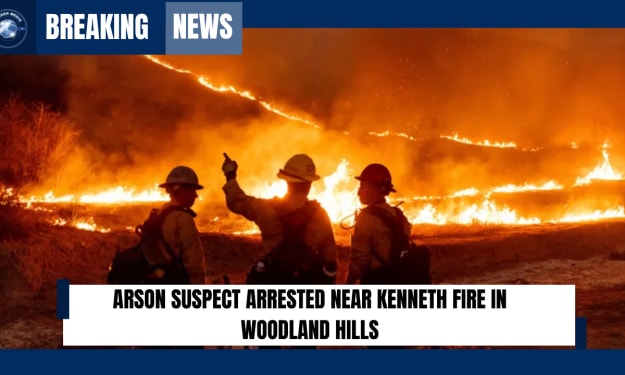
Arson Suspect Arrested Near Kenneth Fire in Woodland Hills
An arson suspect was arrested Thursday evening near the Kenneth Fire in Woodland Hills, California. The incident unfolded as firefighters worked tirelessly to contain the fast-spreading flames threatening homes in Calabasas and West Hills.
By Reader Media Newsabout a year ago in Education
Why Brazil E-commerce Is Transforming the Way Consumers Shop
Brazil E-commerce and Its Growing Influence The Brazilian consumer is going through a major transition. Given that technology has become a key part of everyday life, e-commerce has gained prominence. The short-term growth of e-commerce is extraordinary. Initially restricted to large cities and narrow product niches, online shopping has become a staple channel for millions of Brazilian consumers across the country.
By deepanshu Thakur7 days ago in Education
Is Someone Tracking You? How a GPS Tracker Detector Can Help
In a world where information reaches all corners of the globe, the issue of privacy is getting all the more serious. Phones, applications, and cars are transmitting information, not always with explicit permission. Creepy tracking devices are now more widespread, sneaking into cars or personal journeys to track movement without any notice.
By Arfa Gravity5 days ago in Education
Goodbye, Mr. Duvall
It is turning out to be an interesting year. I was in the middle of teaching a class when a pop-up appeared on the screen announcing the death of Mr. Robert Seldon Duvall (yes, that was his full name). I was in the middle of a discussion on the obsession we have with winning when it comes to sports (the Winter Olympics was a theme), and I felt as though things were coming full circle. We had already lost Gene Hackman last year, and along with that titan, it feels though one particular golden age has closed off to be replaced by...?
By Kendall Defoe a day ago in Geeks



Comments
There are no comments for this story
Be the first to respond and start the conversation.