
Can Honey Expire?
The Timeless Sweetness: Why Honey Never Spoils"
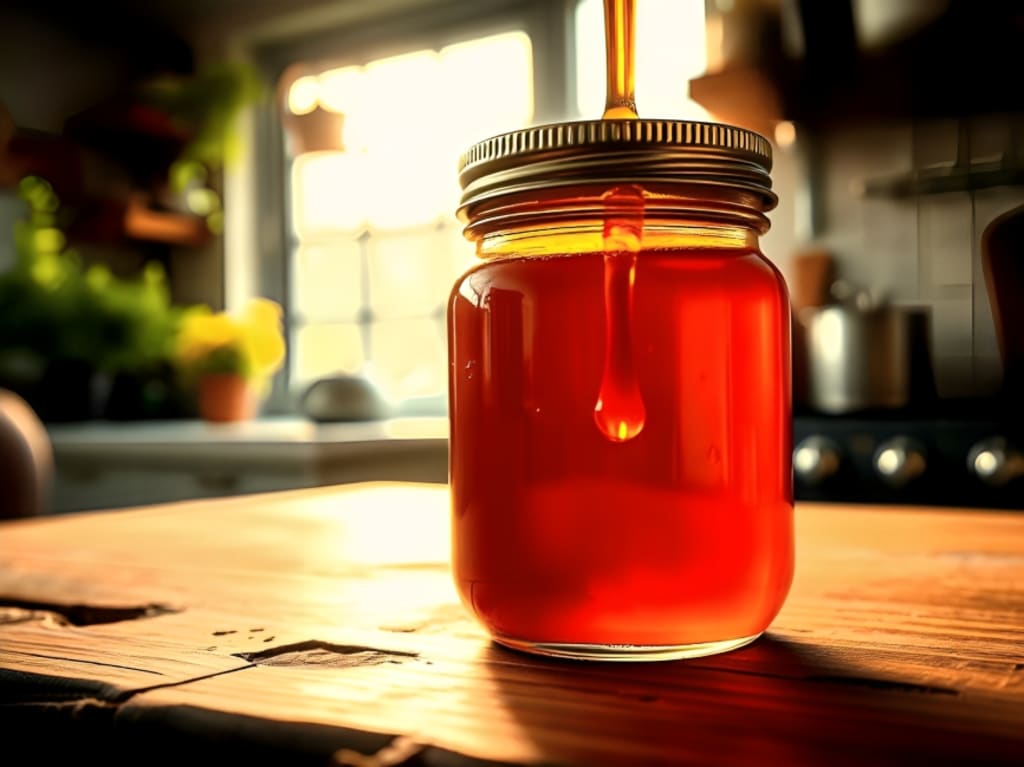
Formerly, honey was a critical staple of hundreds of families, being the go-to solution for its sweetness and wide applicability in the kitchen. But a common question remains for many: Does honey go bad? The simple answer is none; honey does not spoil or expire if saved appropriately. In this text, we explore the right homes of honey that help you to save spoilage, the right way to nicely shop it, the signs and symptoms of spoilage, the effect of different types of honey on sturdiness, and dispelling not unusual myths surrounding honey’s shelf lives.
How Honey's Unique Composition Prevents Spoiling
Honey is an extraordinary natural substance produced by bees from the nectar of vegetation. Its specific composition is what frequently contributes to its prolonged-lasting nature. Honey is specially crafted from sugars, more frequently than now not fructose and glucose, which account for approximately 70-80% of its content material fabric. This high-sugar reputation creates a hyperosmotic environment that efficaciously dehydrates microorganisms and different microorganisms, as a stop end result stopping spoilage.
The Role of Acidity and Antioxidants
Honey has a low pH, generally within 3 to 4. Five additionally plays a key role in its longevity. It is this acidity that renders it an unsuitable location for most microorganisms so that they don't proliferate. In addition, honey is rich in enzymes like glucose oxidase, which creates hydrogen peroxide as a byproduct. When mixed with honey, hydrogen peroxide is a famous antimicrobial addition; in one of a kind, it boosts honey’s potential to upward push spoilage.
Sugar Content: The immoderate sugar interest in honey dehydrates microbial cells, successfully inhibiting their increase.
Acidity: The low pH degree creates an environment that counters the proliferation of bacteria.
Antimicrobial Properties: Enzymes and antioxidants placed in honey contribute to its preservative tendencies.
Honey's brilliant functionality to stay robust over time is backed by the beneficial aid of archaeological findings, wherein honey has been discovered in historic tombs and has been decided to be perfectly safe to eat after masses of years. This historical context underscores honey's unique resilience inside the route of spoilage.
Proper Storage Techniques for Extending Honey's Shelf Life
While honey does no longer harm, its first-rate may be tormented by incorrect storage. To make certain that honey maintains its most suitable flavor and texture, it's far more crucial to conform to the right storage strategies.
Ideal Storage Conditions
Keep It Sealed: Always preserve honey in a tightly sealed field to save you moisture absorption and contamination.
Avoid Heat and Direct Sunlight: Honey ought to be saved in a groovy, darkish vicinity, away from warm belongings. Exposure to warm temperatures can motivate caramelization and regulate the flavor profile.
Use Glass or Plastic Containers: Store honey in glass jars or food-safe plastic packing containers, as steel containers can react with honey, compromising its best.
By adhering to one simple garage pointer, you can extend honey's shelf life indefinitely. A properly saved jar of honey can last for decades or maybe centuries without dropping its beneficial houses.
Identifying Spoiled Honey: Signs to Watch For
While honey itself does not damage, it can undergo adjustments in texture, taste, and color, which could lead some to simply accept it as proper with it having extended prolonged past terrible. Understanding those changes is crucial for identifying the type of honey.
Common Indicators of Honey Degradation
Crystallization: Honey can crystallize over time; this is a herbal system. While crystallized honey is safe to eat, it could be perceived as "spoiled" with the resource of a few. To restore its liquid form, in truth, place the jar in warm water.
Change in Aroma: If honey develops an off-putting or sour odor, it can recommend fermentation, which is mostly a stop-end result of extra moisture. In such times, it's miles top-notch to discard the honey.
Off Taste: A top-notch exchange in taste can also suggest spoilage. If honey tastes overly bitter or has an uncommon taste, it’s useful to err on the side of caution and not consume it.
These signs and symptoms function as realistic tips for keeping honey amazing and ensuring that you revel in its blessings for future years.
The Impact of Different Honey Types on Longevity
Not all honey is created identical; numerous varieties of honey may additionally have differing shelf lives based totally mostly on their floral delivery and processing strategies. Some honeys are certainly more proof against spoilage than others.
Factors Influencing Honey Longevity
Raw Honey: Typically, uncooked honey maintains greater of its herbal enzymes, antioxidants, and useful houses, making it extra resilient over time.
Processed Honey: Commercially processed honey is regularly heated, which would spoil a number of its natural enzymes and probably shorten its shelf life. However, it is not stable to eat for the long term.
Floral Source: Different floral assets can impact the homes of honey. For example, manuka honey is famed for its precise antibacterial properties because of its excessive levels of methylglyoxal, making it especially long-lasting.
Understanding the variations among honey types can assist consumers in making informed selections about which products to buy and how to maintain them effectively.
Myth Busting: Common Misconceptions about Honey Expiration
Numerous myths surround honey and its sturdiness, essential to confusion among customers. Dispel the one misconception to appreciate this natural sweetener more highly.
Common Misconceptions
Honey Has an Expiration Date: Many jars of honey include a nice-before date, but this doesn't mean that the honey will be damaged after that date. Instead, it refers to the duration throughout which the honey is anticipated to maintain its splendid flavor and remarkable.
All Honey Spoils: Some humans undergo thoughts that honey will subsequently ruin, but even as saved effectively, honey can last indefinitely. Historical proof allows this claim, as honey has been recovered from historical websites and positioned to be perfectly constant to consume.
Crystallized Honey is Bad: As cited in advance, crystallization is a herbal technique and does not mean the honey is spoiled. In fact, many humans pick crystallized honey for its spreadable texture.
By addressing those misconceptions, clients can better recognize honey's particular functions and recognize a way to save and use it efficiently.
Conclusion
In this case, honey is a terrific natural product that does not expire at the same time as stored efficaciously. Its unique composition, combined with high sugar content, acidic pH, and antimicrobial houses, ensures that it remains sturdy for prolonged intervals. Proper storage strategies, collectively with retaining honey sealed and far from heat, are crucial for maintaining its splendor. By providing information on the symptoms and signs of capability degradation and the effect of diverse honey kinds, customers can hopefully experience honey's myriad benefits. Finally, debunking not unusual myths permits making easy the real nature of honey and its amazing sturdiness. Whether used as a sweetener, a natural preservative, or a treatment, honey stays a loved staple in kitchens across the region.
About the Creator
Keep reading
More stories from Sabz Ali Khan and writers in Education and other communities.
Unlocking the Power of Plant-Based Biotin for Healthier Hair
Introduction The essential B vitamin biotin maintains essential functions for both hair growth and skin health as well as complete body wellness. Research shows that plant-based dietary sources provide better advantages compared to synthetic supplements that were previously popular throughout the market. The plant-source origin of biotin supplies additional valuable elements together with protective antioxidants and bioactive compounds, leading to healthier, stronger hair. The article explores biotin derived from plants scientifically, as it exceeds synthetic alternatives while describing the dietary methods to achieve stronger hair through natural nutrients. Natural nutrition leads to a transformative, sustainable method that provides better results for optimal hair care. The Limitations of Synthetic Biotin The marketing of synthetic biotin supplements as a treatment for hair thinning as well as breakage produces diverse results because of how poorly the body absorbs these compounds. A major drawback of synthetic biotin supplements stems from their limited ability for the body to absorb them properly because they lack the required cofactors for proper absorption. Excessive consumption of artificial biotin leads to its waste through excretion because of its decreased absorption efficiency. The usage of synthetic biotin does not remedy nutritional deficiencies, which leads to hair issues. A better hair and scalp solution needs to be developed because synthetic solutions fall short of providing all necessary vitamins and minerals for total growth benefits. Why Plant-Based Biotin is a Game-Changer Plant-based biotin provides better nutritional benefits to the body than manufactured synthetic versions of the vitamin. When you eat biotin from natural sources like nuts, seeds, and leafy greens plus whole grains, you gain all their nutritive value together with zinc, iron, and antioxidant content. When nutrients work together, they improve both the absorption and effectiveness of biotin within human bodies. The supplementing of your diet with plant-based biotin enables improved health for both your hair and nails and strengthens your skin. The human body shows better processing efficiency towards biotin from natural whole-food sources than isolated synthetic biotin supplements, which makes whole-food-derived biotin a powerful natural alternative. Key Sources of Plant-Based Biotin People following plant-based diets can easily obtain their biotin needs through multiple food choices that remain simple to add to their meals. Biotin, along with beneficial fats contained in almonds and walnuts, makes up valuable nutrients for scalp nourishment. The combination of biotin with essential hair-promoting minerals iron and folate exists in spinach because spinach contains biotin. The nutritional content in whole grains, oats, barley, and quinoa supplies the necessary elements needed for maintaining healthy hair.Vitamins A and E combined with biotin exist in these particular foods to protect hair moisture and strengthen hair structure. Antioxidants and Hair Health Oxidative stress conditions serve as the main cause of hair deterioration and premature graying of hair. Antioxidative substances that exist in plant-based biotin sources shield hair follicles against damaging free radicals. Healthy hair with vitality, along with a strong scalp, comes from consuming scavenger antioxidants found in berries, green tea, and dark chocolate, which contain vitamin C, vitamin E, and polyphenols. People who eat antioxidant foods along with plant-based biotin receive total hair care benefits through protection from damage and extension of hair quality. Scientific Backing of Plant-Based Biotin Studies from recent times prove that biotin obtained from plant sources delivers better results compared to manufactured supplements. Scientific studies have demonstrated that broccoli-derived biotin leads to better qualities of hair, including increased fullness, improved quality, and enhanced growth. Whole-food biotin provides better bioavailability because the human body can utilize it with maximum efficiency. The microbiome found in healthy stomachs benefits from plant-based diets since it improves the way the body absorbs nutrients. Research confirms that food-based natural biotin represents the optimal solution to preserve healthy hair alongside general well-being. Beyond Biotin: Synergistic Nutrients for Hair Growth Biotin functionality for hair health requires combined use with essential vitamin and mineral nutrients that facilitate hair growth. Zinc enables cell division and helps in healing processes which together protect the scalp and address breakage issues. The transportation of oxygen by iron benefits hair follicles to grow properly. According to dietary science flaxseeds and walnuts contain omega-3 fatty acids that add hydration to the scalp while calming its inflammatory state. The production of follicles becomes more efficient because Vitamin D stops excessive hair loss. A nutritious diet of combined nutrients together with natural biotin from plants builds the most optimal environment for strong hair that stays healthy and resilient. How to Incorporate Plant-Based Biotin into Your Diet Following a diet with plant-derived biotin can be accomplished easily and generates positive outcomes. A daily serving of either almonds or walnuts, which contain high amounts of biotin, should be included in your regular diet. Smoothies, salads,, and stir-fried dishes both accept leafy greens as ingredients that deliver simple nutrition gains. The combined benefits of biotin and long-term energy come from eating whole grains such as quinoa and oats, which work wonderfully as breakfast food choices. Lentils and beans, together with chickpeas, offer plant-based protein that strengthens hair structure and supports a person's wellness. Eating a wide range of nutritious foods leads to improved hair strength while strengthening its vitality naturally. Sustainability and Ethical Benefits of Plant-Based Biotin The use of plant-based biotin stands as an environmentally sustainable selection. Chemical synthesis of biotin leads to environmental damage as well as carbon pollution. The use of plant-based biotin sources matches renewable production methods while simultaneously being biodegradable and environmentally supportive of farming sustainability. Selecting biotin from natural plant origin supports both sustainable farming practices and general environmental responsibility. People who make ethical food choices manage to improve their wellness, and at the same time, they build a better environmental future. Conclusion Plant-based biotin contributes to progress in developing natural ways for people to obtain healthier, stronger hair. Plant-derived biotin gives better absorption rates, and it protects against oxidation while working harmoniously with essential nutrients, unlike synthetic measures. The use of plant-derived biotin contributes to both wellness enhancement and environmentally responsible lifestyles. People who integrate plant-based biotin into their well-balanced diet will enhance their hair health without hurting the environment. Using natural nutrients from nature allows people to achieve permanent hair strength and vitality.
By Sabz Ali Khan11 months ago in Education
The Credit Reset: Why Portugal is Embracing the USD 239.35 Million ‘Buy Now, Pay Later’ Wave
Walking through the Chiado district in Lisbon or scrolling through a Portuguese fashion boutique online, you’ll notice a significant change at the checkout. The traditional credit card is no longer the undisputed king. Instead, a new player has arrived: Portugal Buy Now Pay Later.
By Neeraj kumarabout 5 hours ago in Education
Why A2 Milk Is Changing the Way People Think About Dairy?
Recent developments in dairy consumption have been towards health and digestibility, with one of the most important developments in recent years being an increase in popularity of A2 milk. Once thought to be a niche product for people with difficulty digesting regular milk, an A2 following has developed among families, athletes and the health-conscious.
By Akshay Kumarabout 5 hours ago in Education



Comments
There are no comments for this story
Be the first to respond and start the conversation.