
Cybersecurity: How to Keep Yourself Safe Online
Essential Tips to Protect Your Digital Life from Cyber Threats

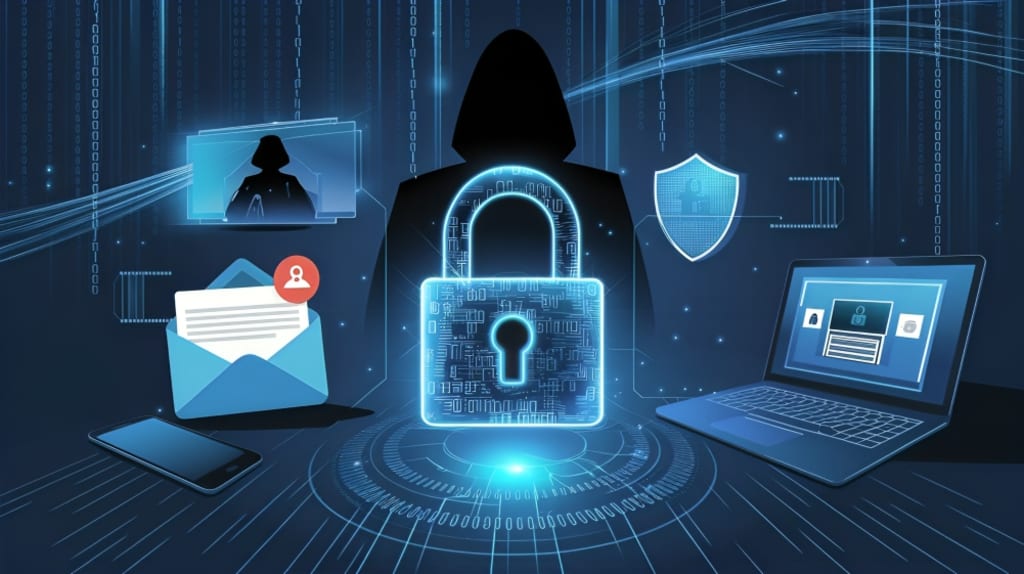
Cybersecurity concerns the protection of your digital life. But now that everything is connected to the internet, it's crucial to know how to protect yourself online. No matter the feature, everything is at risk if not sufficiently defended personal information, banking data, and social media accounts, are all vulnerable. So let’s get into what cybersecurity is and how you can protect your digital life.
What is Cybersecurity?
Cybersecurity is the practice of protecting computers, servers, mobile devices, networks, and data from malicious attacks. These attacks — which are usually carried out by hackers — can steal sensitive data, freeze systems or deny users service.
For example:
- Phishing emails — scam emails that are designed to steal your sensitive data
- Malicious software is responsible for corrupting your computer or obtaining general information.
Why Cybersecurity Matters?
Keeping Personal Data Safe: Passwords, financial and private text messages must be secure
Avoiding Financial Loss: You could get duped or robbed in a cyberattack.
Security for Privacy: If your data is not secured hackers can misuse it.
Staying Away from Interruption — A virus or ransomware attack can stop your personal or work professional.
Common Cyber Threats
1. Phishing
Counterfeit messages or messages stunt you into sharing individual data, similar to passwords or bank subtleties.
2. Malware
Malevolent programming, for example, infections or spyware, can hurt your gadget or take information.
3. Ransomware
This sort of assault locks your documents and requests cash to open them.
4. Social Designing
Programmers maneuver you toward uncovering individual data by claiming to be dependable.
5. Information Breaks
Huge-scope assaults on organizations can uncover client data, influencing millions.
1. Bit by bit ete on how to remain safe on the web
Here are a few basic steps you can take to protect yourself:
Use Strong Passwords
- Use a combination of letters, numbers, and special characters to create passwords.
- Try not to use understandable words or obvious passwords — words like "123456" or "secret phrase."
- IMTS (inter-system message transfer) and IMAP-like protocols with the agreement from the participating systems provide a very common “key manager” for suspenders and pants.
2. Enable Two-Factor Authentication (2FA)
Add an extra layer of security by enabling 2FA for your accounts. This usually involves receiving a code on your phone to verify your identity.
3. Be Careful with Emails
- Avoid clicking on links or downloading attachments from unknown senders.
- Check the sender’s email address for authenticity.
4. Install Antivirus Software
- Use trusted antivirus software to protect your devices from malware and viruses.
- Keep the software updated for better protection.
5. Keep Software Updated
- Regular updates often include security patches to fix vulnerabilities.
- Enable automatic updates for operating systems and applications.
6. Avoid Public Wi-Fi for Sensitive Activities
- Public Wi-Fi networks are often unsecured, making it easier for hackers to access your data.
- Use a Virtual Private Network (VPN) for added security.
7. Backup Your Data
- Regularly backup your important files to an external drive or a secure cloud service.
- This ensures that you don’t lose data even if your device is attacked.
Cybersecurity for Social Media
Social media platforms are a common target for hackers. Follow these tips to secure your accounts:
1. Privacy Settings
Adjust your privacy settings to control who can see your posts and personal information.
2. Avoid Oversharing
Don’t share sensitive information like your address or phone number publicly.
3. Beware of Fake Profiles
Be cautious when accepting friend requests or messages from unknown profiles.
Protecting Your Smartphone
Smartphones are often more vulnerable than computers because they’re always connected to the internet. Here’s how to protect them:
1. Install Apps from Trusted Sources
Only download apps from official app stores like Google Play or the Apple App Store.
2. Use App Permissions Wisely
Review app permissions and avoid granting unnecessary access to your data.
3. Lock Your Phone
Use a strong PIN, password, or biometric lock to secure your phone.
What to Do If You’re Hacked
If you suspect your account or device has been hacked, follow these steps:
- Change Your Passwords: Update passwords for all accounts immediately.
- Run a Virus Scan: Use antivirus software to detect and remove malware.
- Notify Authorities: Report fraud or suspicious activity to the relevant authorities.
- Monitor Your Accounts: Keep an eye on your bank accounts and online profiles for unauthorized activities.
Future of Cybersecurity
As technology advances, so do cyber threats. Here are some future trends to watch:
- AI in Cybersecurity: Artificial intelligence will play a bigger role in detecting and preventing attacks.
- Stronger Data Privacy Laws: Governments will implement stricter rules to protect user data.
- Increased Awareness: More individuals and companies will focus on cybersecurity training.
Conclusion
In this current advanced world, network safety is essential. Stick to the safest practices, and you can protect yourself from most of the digital threats. It bears repeating, that being safe online is a constant effort. Stay educated, stay cautious, and incorporate network safety into your day-to-day existence.
About the Creator
Prashant Sharma
I am Prashant Sharma, a passionate writer with years of experience crafting content that informs, inspires, and engages readers.
Keep reading
More stories from Prashant Sharma and writers in Education and other communities.
3 features to try first on your new Apple Watch
Apple makes some of the most feature-rich smartwatches available, whether you just picked up the latest Apple Watch Series 10, the rugged Apple Watch Ultra 2 or a budget-friendly Apple Watch SE. With tools to help you better stay in touch, navigate the world, prioritize safety, and have fun, choosing my top five favorite Apple Watch features was no easy task.
By Prashant Sharmaabout a year ago in Education
How to Donate Venison to Manna House in Huntsville
Donating venison is one of the most meaningful ways local hunters can give back to the community. In Huntsville, Manna House plays a vital role in turning legally harvested deer into healthy meals for families in need. If you have extra venison this season and want it to make a real difference, understanding the process helps ensure your donation is safe, legal, and impactful.
By Joe Sottolano2 days ago in Education
One Simple Photography Trick That Instantly Makes Every Photo Look Professional
Taking a great photo doesn’t always require expensive cameras, advanced editing software, or years of experience. In fact, many professional-looking images come down to one simple technique that anyone can learn. Whether you’re capturing moments with your phone or using a DSLR, there is one photography trick that can instantly elevate the quality of your pictures.
By Kelln Smalla day ago in Education
Feelings Never Die
It is Valentine's Day again, and it bought back memories that were over fifty years old. It bought me back to 1971, and I woke up and I knew my baby was due today. I was big and pregnant, and I felt like I was about to burst wide open. Imagine my surprise when the doctor told my I had a due date of February 14. I couldn't believe it, and since my baby was due today, I felt I could indulge myself a bit. I had gained a lot of weight, and chocolate was on the no-no list, but I had came to the end of this pregnancy, and I hoped it would be okay, after all I would deliver this baby today. So I walked across the street to the grocery story, and bought myself, a peppermint patty, covered in chocolate, my favorite. Me and my Valentine's baby would enjoy it together.
By Susan Paytonabout 3 hours ago in Fiction


Comments
There are no comments for this story
Be the first to respond and start the conversation.