
Education 2.0 Conference Reviews Ivy League Lookalikes & Scam Schools Exploiting Academia
Education 2.0 Conference On Scam Schools Exploiting Academia

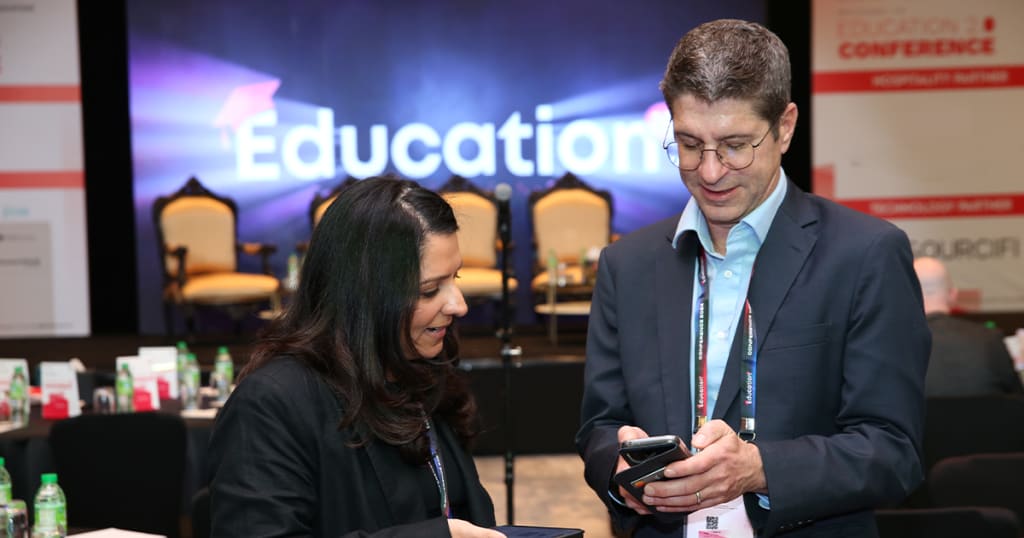
Have you ever wondered if the university on that glossy website is real or just a clever disguise? Around the world, countless students are discovering that the schools they trusted are nothing more than impostors, using polished branding and false promises to lure in hopeful learners. These scam schools thrive on ambition, often leaving students with worthless diplomas and broken dreams.
To tackle these challenges, various education events in 2025, such as the Education 2.0 Conference, highlight the dangers of scam offenses in academic impersonation. Experts come together to share fraud alerts, uncover hidden tactics, and offer advice to protect students and families from falling victim to fraud. This blog takes you inside the world of academic impersonation, revealing how these schemes work, what they cost, and how you can safeguard your educational journey.
Why Academic Impersonators Target Reputation First
Reputation is the strongest currency in education, and impersonators know it. By adopting names that sound strikingly similar to Ivy League universities or by claiming false affiliations with world-renowned institutions, scam operators tap into the belief that prestige guarantees quality. For many students and families, a familiar-sounding name feels like an automatic stamp of credibility, making them less likely to question what lies beneath the surface.
These impersonators use that trust as bait, convincing students to invest in programs that have no faculty, no infrastructure, and no recognized accreditation. What appears to be a shortcut to success often turns out to be an elaborate trap that leaves students with little more than regret.
Tricks Scam Universities Use To Look Legitimate
Scam schools don’t just appear out of nowhere; they carefully design their image to fool even the most cautious students. Here are some of the deceptive tactics they rely on:
- Fraudulent schools often invent accrediting agencies or use names that resemble legitimate bodies, tricking students into believing they are recognized.
- Many display campus photos or logos taken from real universities, creating an illusion of heritage and credibility.
- Lists of professors are often pulled from LinkedIn or stock images, with no real experts teaching behind the scenes.
- From “guaranteed visas” to “fast-track degrees in months,” these claims exploit ambition while masking the lack of substance.
At the Education 2.0 Conference, experts highlight how a fraud monitor can reveal these scams, stripping away the disguise before students invest. Staying aware of these tactics empowers learners to make decisions based on facts, not illusions.
Why Students Fall Into The Trap Of Academic Scams
Scam schools thrive on ambition and vulnerability, preying on those who dream of better opportunities. They often tempt students with promises of affordable degrees or incredibly short completion times, making the offer sound like an unbeatable deal. Many learners, eager to stand out in a competitive job market, invest their savings without looking deeper into the institution’s background.
Families who believe they are securing a brighter future often realize too late that they have only financed a carefully designed scam. Experts at an education conference address fraud connected to these agencies, warning that such offenses not only drain financial resources but also break confidence and derail long-term academic goals.
Smart Steps To Protect Yourself From Scam Schools
Protecting yourself starts with caution and careful verification. Students and families can reduce their risk by following these simple steps:
- Check if the institution is listed in official international directories, since legitimate universities are always documented and easily verifiable.
- Verify accreditation through government-approved or globally recognized bodies to ensure the degree you earn carries real value.
- Look for reviews and testimonials from past students and alumni because genuine experiences often reveal more than polished brochures.
- Seek advice from trusted education consultants before making payments to gain an outside perspective and avoid making decisions in isolation.
Spotting academic impersonators isn’t always easy, which is why the Education 2.0 Conference helps expose a scam by sharing expert fraud alerts and real-world insights. By contributing practical guidance and raising awareness, the conference empowers students and families to make informed choices and avoid unverified institutions.
Building A Future Free From Academic Scams
Academic impersonation thrives on silence, but change begins with awareness. When students, families, and educators understand how these scams operate, they are better prepared to resist them. Collaboration between institutions, policymakers, and fraud monitors can create stronger safeguards, ensuring fake schools lose their ability to deceive. At an education summit, experts address scam offenses and share actionable strategies that drive accountability.
These collective efforts restore trust in global education and ensure it remains a pathway to opportunity rather than exploitation. By shining a spotlight on fraudulent practices, these discussions empower students to ask tougher questions before committing. They also encourage governments and regulators to step up enforcement, closing the gaps that scam schools have long exploited.
Expert Insights For Safer Academic Choices
Scam schools may change their appearance, but their impact remains devastating for students and families chasing dreams abroad. The key takeaway from this blog is simple: awareness, vigilance, and collaboration are the strongest tools against these schemes. With the right knowledge, learners can spot warning signs early and protect their futures from exploitation.
At education events in 2025, such as the Education 2.0 Conference, experts share scam alerts that expose scams and guide communities toward safer academic choices. These platforms encourage open dialogue, accountability, and stronger safeguards for global learners. By staying informed and demanding transparency, we can work together to ensure that education remains a source of progress and hope, not a trap for deception.
About the Creator
Education 2.0 Conference
A 3-day education event, Education 2.0 Conference, brings forth notable leaders from all over the world under one roof to network, collaborate, and discuss the issues and challenges of the sector while finding possible solutions.
Keep reading
More stories from Education 2.0 Conference and writers in Education and other communities.
Education 2.0 Conference Discusses Ways To Protect Yourself From An Online Degree Scam
Thinking about enrolling in an online degree program? Guess what? You are not the only one! The flexibility of digital learning is appealing, but not every program you see is the real deal. With countless institutions offering online credentials, the risk of falling for a scam has become a growing concern for learners worldwide.
By Education 2.0 Conference10 months ago in Education


Comments
There are no comments for this story
Be the first to respond and start the conversation.