
Gold’s Resurgence in an Era of Inflation and Financial Volatility
Era of Inflation and Financial Volatility

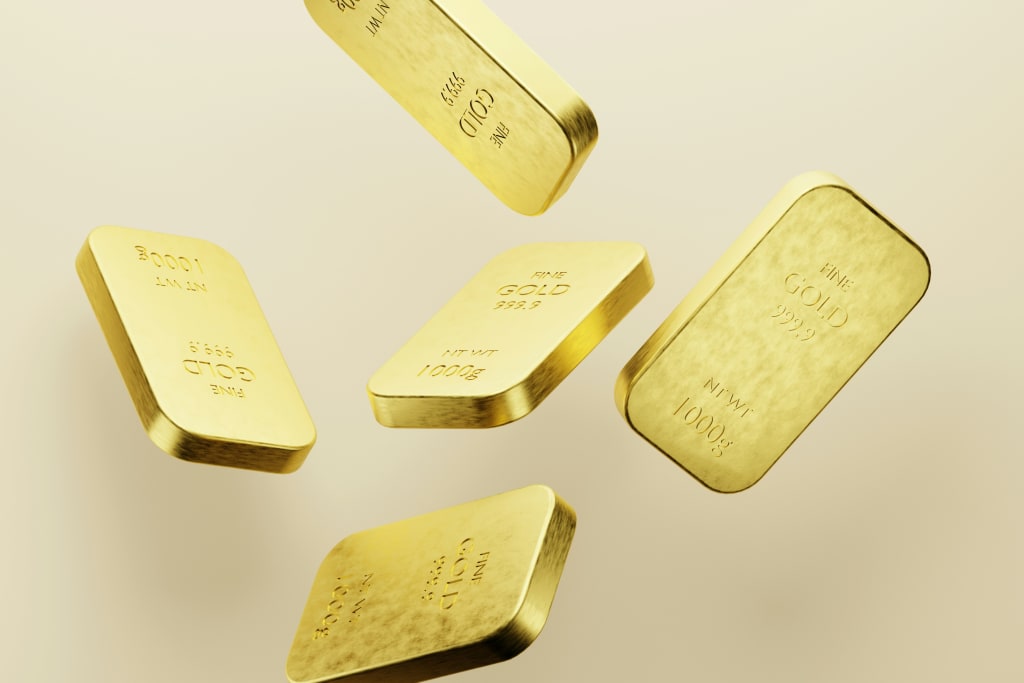
Persistent inflation and widespread economic uncertainty have pushed gold back into the center of global financial strategy. While gold has always carried symbolic and practical value, today’s environment presents distinct conditions that are reshaping how investors, governments, and institutions approach the precious metal. Rising consumer prices, volatile equity markets, geopolitical strain, and shifting monetary policies are all contributing to renewed attention on gold. At the same time, structural changes in market access and global finance are creating new trends that extend beyond gold’s traditional haven narrative.
Inflation Anxiety and Wealth Preservation
Inflation remains one of the most powerful forces driving interest in gold. As the cost of living increases, individuals and institutions seek assets that can preserve purchasing power. Gold has historically served as a hedge against currency depreciation because its supply grows relatively slowly compared to paper money.
Recent inflationary cycles have proven more persistent than many analysts predicted. Energy market disruptions, supply chain adjustments, and expansive fiscal policies have combined to create sustained price pressure. As a result, investors are reevaluating the long-term stability of fiat currencies. Gold often benefits during such periods because it is perceived as a store of value that is not directly influenced by central bank policy.
However, today’s inflation-driven demand differs slightly from past cycles. Investors are not only responding to current price levels but also to uncertainty about future policy decisions. Concerns about whether inflation will remain elevated or reaccelerate continue to support strategic allocations to gold.
Monetary Policy Uncertainty and Market Expectations
Central bank actions significantly influence the gold market. When policymakers raise interest rates to combat inflation, higher yields can make bonds and savings instruments more attractive relative to gold. Nevertheless, the relationship is rarely straightforward.
The key variable is real interest rates. If inflation remains high even as nominal rates rise, real yields may stay low or negative. In that scenario, gold retains its appeal because the opportunity cost of holding it remains limited. Investors are increasingly focused on central banks' forward guidance, analyzing not only current rate levels but also expectations for future policy adjustments.
Moreover, uncertainty surrounding monetary policy decisions can amplify gold’s appeal. Sudden shifts in tone or unexpected economic data releases often trigger volatility in equity and currency markets. During such moments, gold frequently attracts short-term capital flows seeking stability.
Central Bank Demand and Reserve Diversification
One of the most notable structural trends in recent years is sustained central bank purchasing of gold. Several countries are increasing gold reserves to diversify away from heavy reliance on major reserve currencies. This strategy reflects broader geopolitical and economic considerations.
Reserve diversification aims to reduce exposure to currency fluctuations and political risk. Gold is a neutral asset not directly tied to the fiscal or monetary policies of any single nation. As global economic relationships evolve, this neutrality becomes increasingly valuable.
Central bank buying also influences market dynamics by tightening supply. Unlike speculative investors who may trade frequently, central banks typically hold gold for long periods. Their accumulation reduces available supply in global markets, contributing to price support over time.
Shifting Investor Behavior and Digital Access
Technological advancements have changed how gold is bought and sold. Exchange-traded funds and online trading platforms provide efficient access to gold exposure without the need for physical storage. Digital investment options allow fractional purchases, making gold accessible to a broader range of investors.
This expanded access has altered market behavior. Retail participation often rises during periods of financial stress, and digital platforms enable rapid response to news events. Consequently, gold prices can react more quickly to economic developments than in previous decades.
Younger investors are also incorporating gold into diversified portfolios alongside equities and alternative assets. While some compare gold to cryptocurrencies as potential stores of value, gold’s long history and physical nature continue to set it apart. Many investors view it as a stabilizing element rather than a speculative opportunity.
Geopolitical Fragmentation and Strategic Hedging
Economic uncertainty today is closely linked to geopolitical tension. Trade disputes, regional conflicts, and evolving alliances contribute to market volatility. When global stability appears fragile, investors often seek assets that are insulated from political risk.
Gold benefits from this environment because it carries no counterparty risk. It does not depend on corporate performance or government solvency. In times of heightened tension, capital often flows into gold as a form of strategic hedging.
In addition, discussions about reducing reliance on dominant global currencies have reinforced gold’s importance. Although existing financial systems remain firmly in place, some nations are exploring alternative settlement mechanisms and reserve strategies. Gold plays a symbolic and practical role in these conversations, reinforcing its relevance in a changing economic order.
Supply Constraints and Production Realities
On the supply side, gold production faces several challenges. Mining operations face rising costs for labor, energy, and environmental compliance. Furthermore, discovering new large-scale deposits has become increasingly difficult.
Developing new mines requires significant investment and regulatory approval. Environmental standards and community engagement processes can significantly extend timelines. While these measures aim to ensure responsible production, they also limit the speed at which supply can respond to rising demand.
Recycling of existing gold provides an additional supply source, but it does not fully offset production constraints. As a result, even moderate increases in demand can exert upward pressure on prices. This supply discipline contributes to gold’s long-term appeal as a scarce asset.
Institutional Allocation and Risk Management
Institutional investors are reassessing portfolio strategies amid persistent volatility. Equity markets have experienced sharp fluctuations, while bond markets have faced pressure from shifting interest rate expectations. In this context, diversification has regained importance.
Gold often serves as a portfolio stabilizer because its price movements can differ from those of stocks and bonds during market stress. Even small allocations can reduce overall volatility in diversified portfolios. Pension funds, sovereign wealth funds, and asset managers are increasingly evaluating gold as part of broader risk management strategies.
At the same time, investors recognize that gold is not immune to short-term price swings. Its value can fluctuate based on currency strength, market sentiment, and macroeconomic data. Nevertheless, its long history as a store of value continues to support its inclusion in strategic planning.
Looking Ahead in an Uncertain Landscape
The gold market today reflects more than a simple reaction to inflation. It embodies a broader response to economic complexity, geopolitical change, and evolving financial systems. Central bank demand, digital accessibility, production constraints, and shifting monetary policies are all shaping new trends.
As inflation remains a concern and global uncertainty persists, gold’s role may continue to expand. While price volatility will likely remain part of the landscape, structural forces suggest enduring demand. In an era defined by financial uncertainty, gold continues to offer a sense of continuity and resilience that resonates with investors worldwide.
About the Creator
George Drazenovic
Since early 2020, George Drazenovic has been a faculty member at University Canada West (UCW) in Vancouver, BC, where he has taught accounting courses.
Portfolio: https://georgedrazenovic.com/
Website: https://george-drazenovic.com/
Keep reading
More stories from George Drazenovic and writers in Education and other communities.
Understanding the Gold Market Today: Key Shifts and What They Mean
Gold has always been a reliable store of value. In uncertain times, people turn to it for safety. This year, global markets have faced ongoing challenges. High inflation, shifting interest rates, and currency fluctuations are pushing investors back toward gold. Many are buying gold not just to protect their wealth but also to balance risk in their portfolios. Central banks around the world are also increasing their gold reserves, signaling strong institutional confidence in its long-term value.
By George Drazenovic16 days ago in Education
Why the 3D Concrete Printing Market Is Transforming Modern Construction?
The construction industry involves the building and assembling of infrastructure. While it is still commonly used, this has some shortcomings, because it is often inefficient, requiring a lot of time, materials, and labor. The 3D concrete printing market is emerging as a revolutionary technology, ushering in advantages of automation, precision, and material efficiency in the construction industry.
By Akshay Kumar4 days ago in Education




Comments
There are no comments for this story
Be the first to respond and start the conversation.