
How 3D Building Scanning is Transforming the Real Estate Industry?
How 3D Scanning is Changing the Real Estate Game

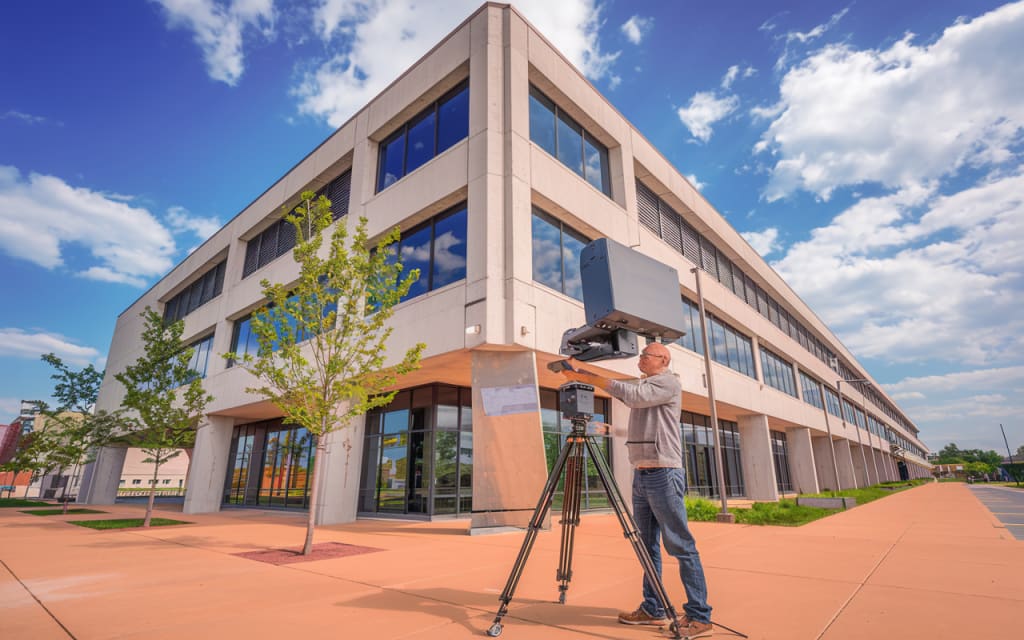
In recent years, 3D building scanning has emerged as a groundbreaking technology in the real estate industry. By leveraging advanced laser scanning and imaging techniques, stakeholders such as property developers, architects, and real estate agents are redefining how properties are designed, marketed, and sold.
This article delves into the transformative impact of 3D building scanning on real estate, exploring its applications, benefits, and future potential.
What is 3D Building Scanning?
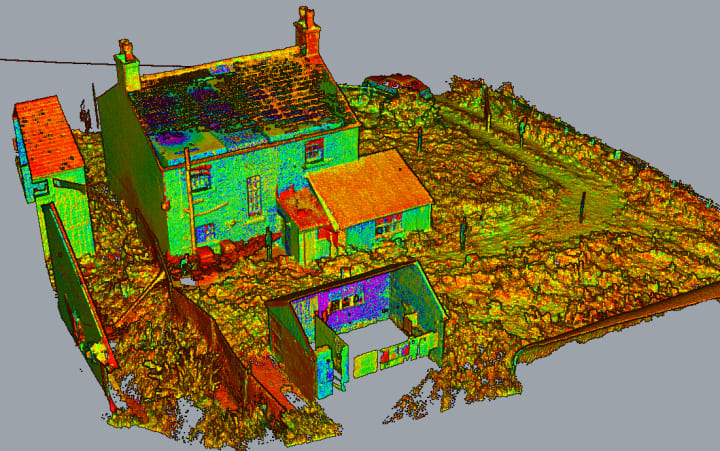
3D building scanning, also known as laser scanning or LiDAR (Light Detection and Ranging), uses high-precision lasers to capture the dimensions and physical features of a property in intricate detail. The result is a digital 3D model that replicates the building's geometry, providing a virtual representation of the real-world structure.
This data can be stored in formats like point clouds, CAD models, or BIM (Building Information Modeling).
Applications in Real Estate
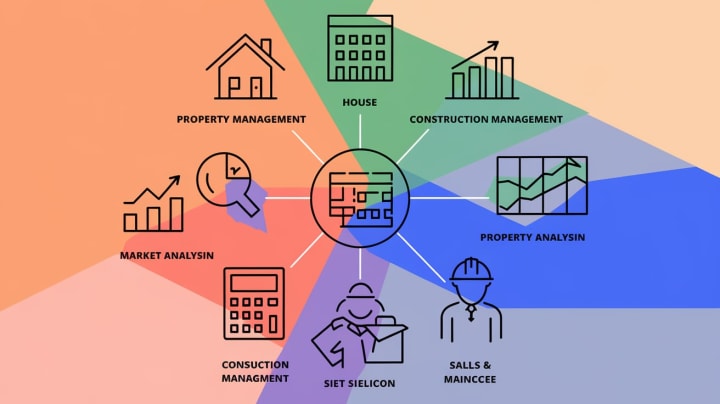
1. Property Documentation
3D scanning ensures accurate documentation of existing buildings, capturing measurements and features with sub-millimeter precision. This data proves invaluable for renovation projects, historical preservation, and compliance with building codes.
2. Virtual Tours and Marketing
High-quality 3D models are used to create virtual tours, allowing potential buyers to explore properties from the comfort of their homes. Real estate agents can showcase the smallest details, enhancing customer engagement and reducing the need for physical visits.
3. Space Optimization for Developers
Architects and developers utilize 3D scans to analyze floor plans, optimize layouts, and detect spatial inefficiencies. The precise measurements aid in designing functional and aesthetically pleasing spaces.
4. Pre-Sale Renovation Planning
3D scanning enables sellers to visualize renovation ideas, providing detailed blueprints for contractors. This aids in cost estimation and accelerates project timelines, boosting property value.
5. Investment Analysis
Investors can use 3D models to assess property conditions remotely. These scans reveal structural issues, enabling better-informed decisions about repairs and budgeting.
You Would like to explore - These articles
- BIM Management Explained
- How 3D Laser Scanning Improves Construction Efficiency?
- Laser Scanning in Construction Across All Stages - Complete Guide
- Scan to BIM for Construction Projects | Benefits & Application
Benefits of 3D Scanning in Real Estate
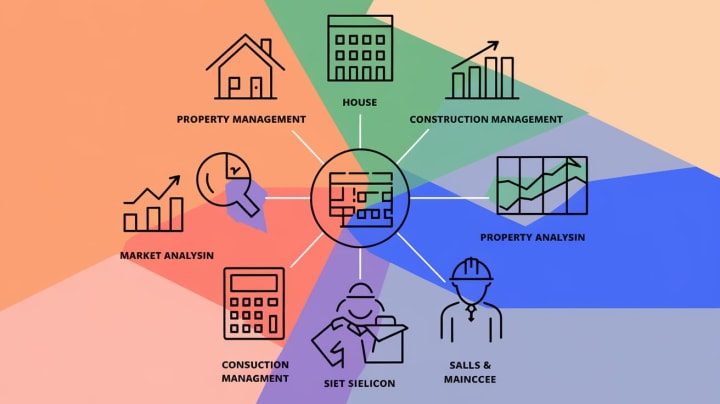
1. Enhanced Accuracy
Traditional methods of measurement often leave room for error. 3D scanning eliminates inaccuracies, ensuring all dimensions and features are captured exactly as they are.
2. Cost and Time Efficiency
By automating data collection, 3D scanning significantly reduces the time needed for property surveys. This streamlined process also lowers operational costs.
3. Improved Transparency
Buyers gain a deeper understanding of a property's layout and condition through detailed 3D models. This builds trust and simplifies decision-making.
4. Better Collaboration
3D models serve as a single source of truth for all stakeholders, from architects and contractors to real estate agents and clients. This fosters smoother collaboration across projects.
5. Eco-Friendly Operations
Digital models reduce the need for physical travel and printing, contributing to sustainable real estate practices.
Challenges and Limitations
Despite its benefits, 3D building scanning is not without challenges. The initial investment in equipment and software can be significant. Moreover, operating the technology requires skilled professionals, which may pose a barrier for smaller firms. Data management and storage also become critical as files can be extensive in size.
The Future of 3D Scanning in Real Estate
As technology evolves, 3D scanning is poised to become even more integral to real estate operations. Innovations such as AI integration, AR/VR applications, and drone-based scanning are expected to enhance its capabilities further. In the coming years, these advancements will likely make 3D building scanning more accessible and cost-effective, democratizing its benefits across the industry.
More Userful Resources
About the Creator
Matt Sharon
A professional content writer. Having years of experience in Technology, health, finance, and construction and real estate field. Writing is my passion and I love to play with words Confidently.
Keep reading
More stories from Matt Sharon and writers in Education and other communities.
As Built Services - Transform Plans with Precision
In the dynamic world of construction and renovation, precision is paramount. As-built services have emerged as the unsung heroes of the industry, bridging the gap between what was planned and what was actually built. These services are the secret weapon of savvy architects, engineers, and project managers who understand that accurate documentation is not just a luxury—it's a necessity.
By Matt Sharonabout a year ago in Education
Why the Eyewear Market Is Transforming Vision Care and Personal Style?
Beyond vision correction and eye protection, eyewear has been widely adopted as a generic fashion accessory. Today, the eyewear market straddles health care, technology and the fashion industries in terms of both function and appearance.
By Akshay Kumar3 days ago in Education
Bartender
On the heels of grief, pain bears down hard. On the heels of death, pain awakens the quiet place between the end of our own life and now. Feeling anything is like seeing a film and in black and white, slow motion, all sound turned off. Just watching. Gritting teeth, awkward smiles and bloody red eyes move around, scanning the others who are feeling something I don't want to feel, but I do. Escapism is all I have ever known. ~
By ROCK aka Andrea Polla (Simmons)3 days ago in Poets




Comments
There are no comments for this story
Be the first to respond and start the conversation.