
How Can RWA Tokenization Digitize Commodities Like Oil, Gas, and Minerals Securely?
Security, Transparency, and On-Chain Asset Verification in Commodity-Backed RWA Tokenization Systems

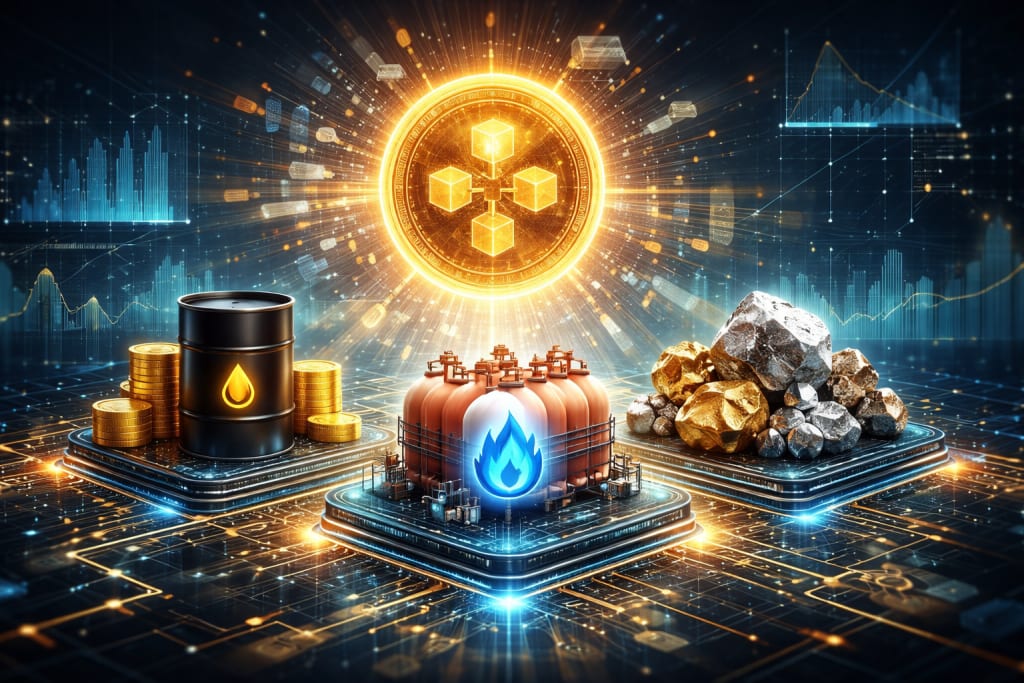
The global commodities market, encompassing oil, gas, minerals, and other natural resources, has traditionally relied on complex supply chains, intermediaries, and paper-based documentation. These factors introduce inefficiencies, opacity, and risk of fraud, making commodity trading and management challenging for enterprises and investors alike. With the rise of blockchain technology, RWA (Real-World Asset) tokenization offers a transformative solution by digitizing tangible commodities, enabling secure, transparent, and efficient trading while maintaining a verifiable link to the physical asset.
RWA tokenization creates blockchain-based digital tokens that represent ownership, revenue rights, or storage entitlements for real-world commodities. By leveraging smart contracts and cryptographic verification, these tokens ensure secure transfer, trading, and tracking of commodities like oil, gas, and minerals. This digital representation fundamentally changes how enterprises, investors, and traders interact with the commodity markets.
Understanding RWA Tokenization for Commodities
RWA tokenization involves creating digital tokens on a blockchain that correspond to physical commodities. Each token is backed by an actual quantity of the commodity stored in warehouses, refineries, or mining facilities. The tokens can represent full ownership or fractional ownership, allowing multiple investors to participate in high-value commodity markets.
Smart contracts govern these tokens, automating processes such as transfers, dividend distribution, revenue sharing, and compliance checks. This ensures that tokenized commodities maintain a secure and transparent link to the underlying physical asset while enabling efficient, near-instantaneous digital transactions.
Key Benefits of Tokenizing Commodities
1. Enhanced Security and Fraud Prevention
One of the major risks in commodity trading is fraud or misrepresentation. Physical commodities can be double-sold, misreported, or misappropriated. Tokenization addresses these challenges by providing a blockchain-based immutable record of ownership and transactions.
Each token transfer is cryptographically verified and time-stamped on the blockchain, creating a tamper-proof ledger. This ensures that only verified owners can trade the commodity, and each unit of the asset is accounted for. Additionally, smart contracts enforce contractual obligations automatically, reducing the risk of disputes between buyers, sellers, and intermediaries.
2. Fractional Ownership and Investment Accessibility
Real World Asset Tokenization allows commodities to be fractionalized, enabling multiple investors to own portions of a single oil shipment, gas storage tank, or mineral batch. Fractional ownership lowers investment barriers, allowing smaller investors to participate in traditionally high-capital markets.
For example, instead of purchasing an entire crude oil shipment, investors can buy tokens representing specific quantities, enabling diversified exposure across multiple commodities. Enterprises gain access to broader pools of investment capital, while investors benefit from liquidity and flexibility.
3. Real-Time Tracking and Transparency
Physical commodities often traverse complex supply chains, from extraction or production to storage, transportation, and eventual delivery. Tokenization, combined with IoT sensors, RFID tags, and GPS tracking, provides real-time visibility of commodities throughout their lifecycle.
For instance, oil barrels or mineral consignments can be tokenized with metadata including storage location, quality metrics, and transportation status. Investors and regulators can track the movement and condition of each asset in real time, enhancing trust and reducing operational uncertainty.
4. Streamlined Trading and Settlement
Traditional commodity trading involves multiple intermediaries, manual paperwork, and delayed settlement cycles. Tokenization simplifies the process by enabling digital peer-to-peer trading, where ownership transfers occur instantly through smart contracts.
Payments, royalties, or profit-sharing from commodity sales can also be automated. For example, token holders of natural gas shipments can receive revenue distributions automatically when the gas is sold, eliminating the need for manual reconciliation and reducing settlement risk.
5. Compliance and Regulatory Integration
Regulatory compliance is critical in the commodities market, which is often subject to complex legal frameworks. RWA tokenization platforms can embed regulatory checks and reporting obligations into smart contracts.
This includes KYC/AML verification, transaction limits, auditing, and reporting requirements. Automated compliance reduces the administrative burden on enterprises and ensures adherence to global standards, making tokenized commodities safer and more trustworthy for investors.
6. Liquidity Enhancement
Commodities are typically illiquid assets, requiring buyers and sellers to locate each other and negotiate terms. Tokenization introduces liquidity through secondary markets, where investors can trade commodity-backed tokens without taking physical possession.
This enables enterprises to unlock capital tied up in commodities while allowing investors to enter or exit positions more freely. Enhanced liquidity makes commodities more attractive as investment vehicles, bridging traditional markets and digital finance.
How Tokenization Works for Different Commodities
Oil
Oil tokenization involves creating digital tokens backed by barrels of crude or refined petroleum products stored in verified facilities. Each token represents a specific quantity of oil, and smart contracts govern ownership transfers, storage conditions, and revenue distribution from sales.
IoT sensors can monitor temperature, pressure, and storage conditions to ensure the quality of oil. Investors and regulators can verify these conditions on-chain, providing confidence in the authenticity and security of the asset.
Natural Gas
Tokenizing natural gas typically involves representing units of gas stored in tanks or pipelines. Smart contracts can track extraction, storage, and sale, automating payments to token holders based on consumption or delivery.
Fractional ownership allows multiple investors to participate in gas infrastructure projects, including LNG facilities or pipeline networks. Tokenization also facilitates hedging strategies and financing of gas operations through digital platforms.
Minerals and Metals
Minerals such as gold, silver, copper, or lithium can be tokenized to represent physical quantities stored in secure warehouses. Smart contracts automate transfer, ownership verification, and dividend distribution from sales or usage.
Tokenized metals also enable fractional investments in high-value mining operations, giving investors exposure to raw materials without the complexity of physical storage and transport. Real-time verification through RFID and blockchain ensures that tokens are always backed by actual, secure commodities.
Renewable and Industrial Commodities
RWA tokenization is expanding to renewable energy commodities like lithium for batteries, cobalt, or industrial chemicals. Tokens can track production, storage, and environmental compliance, linking investment returns to responsible sourcing practices. This integration of ESG principles strengthens investor confidence and aligns commodities with modern sustainability standards.
Applications Across Enterprises
Trading and Investment Platforms
Tokenized commodities allow trading platforms to offer digital commodity markets with enhanced security, real-time tracking, and fractional ownership. Investors can diversify portfolios across oil, gas, minerals, and renewable resources without physically handling the assets.
Supply Chain and Logistics
Enterprises can track tokenized commodities from extraction or production to delivery, optimizing logistics and minimizing loss or theft. Automated settlements and smart contracts reduce delays and improve efficiency across the supply chain.
Financing and Collateralization
Tokenized commodities can serve as collateral for loans or other financial instruments. Banks, fintech companies, and DeFi platforms can accept commodity-backed tokens as secure, verifiable collateral, providing liquidity to commodity producers and traders.
ESG Compliance and Responsible Sourcing
Tokenization facilitates monitoring of environmental, social, and governance compliance in commodity production. Enterprises can verify ethical sourcing, carbon footprints, and sustainability practices, linking tokenized assets to ESG reporting and investor requirements.
Challenges and Considerations
- Regulatory Compliance: Tokenized commodities may be treated as securities, commodities contracts, or derivatives, depending on jurisdiction. Regulatory adherence is crucial.
- Physical Verification: Tokens must be backed by verified, secure storage of physical commodities. Third-party audits and IoT monitoring are essential.
- Market Adoption: Enterprises and investors must trust the tokenized model and the reliability of blockchain platforms.
- Technological Integration: Effective tokenization requires secure blockchain infrastructure, IoT devices, and smart contract development.
- Cybersecurity Risks: Secure token issuance and smart contract audits are critical to protect against hacking, fraud, or mismanagement.
Future of Commodity Tokenization
The future of RWA tokenization in commodities is promising, with several emerging trends:
- Global Digital Commodity Exchanges: Tokenized commodities could be traded 24/7 across borders, enhancing market efficiency and investor access.
- Integration with DeFi: Tokenized commodities can be used as collateral or traded on decentralized finance platforms, creating new investment opportunities.
- AI-Driven Analytics: Combining tokenized data with AI can enable predictive analysis of commodity prices, supply chain risks, and storage optimization.
- ESG-Linked Tokens: Commodities produced sustainably can be tokenized with ESG-linked features, offering investors responsible investment options.
These innovations will transform commodities from traditional, opaque assets into digitally managed, liquid, and secure investment vehicles.
Conclusion
RWA tokenization is revolutionizing the management and trading of commodities such as oil, gas, and minerals by digitizing physical assets and representing them as secure blockchain tokens. Enterprises benefit from real-time tracking, enhanced transparency, automated compliance, reduced intermediaries, and liquidity through fractional ownership.
Tokenized commodities create opportunities for global investment, secure supply chain management, ESG compliance, and innovative financial applications. By linking physical assets with blockchain-enabled digital tokens, enterprises can mitigate fraud, optimize logistics, and unlock new capital streams.
In an era of digital transformation and increasing market complexity, RWA tokenization provides a robust, secure, and efficient framework for managing, trading, and investing in commodities. It is redefining how oil, gas, minerals, and other critical resources are tracked, traded, and monetized in the modern economy.
About the Creator
Gabrielle
Blockchain enthusiast and NFT writer dedicated to merging technology with art on decentralized platforms, driving innovation for a creative future. Embracing the potential of digital expression.
The Digital Vault: Inside Switzerland’s USD 901.39 Million Data Revolution (2026–2034)
In early 2026, Switzerland is successfully rebranding itself. Long known as the world’s safest vault for physical gold and private wealth, the Alpine nation has spent the last decade laying the groundwork to become the premier "Digital Vault" of the 21st century. The Switzerland data center market, valued at USD 435.12 Million in 2025, is projected to soar to USD 901.39 Million by 2034. With a robust CAGR of 8.43%, this sector is outperforming many of its European neighbors, driven by a unique trifecta of political neutrality, renewable energy, and the insatiable demand for Generative AI.
By Neeraj kumar2 days ago in Education


Comments (1)
COOL LOVE IT ROCK THE WORLD