
How Does Tokenizing Real Estate Impact the Way Properties Are Valued and Traded Today?
Tokenized Real Estate Platforms Are Revolutionizing the Way We Value Properties

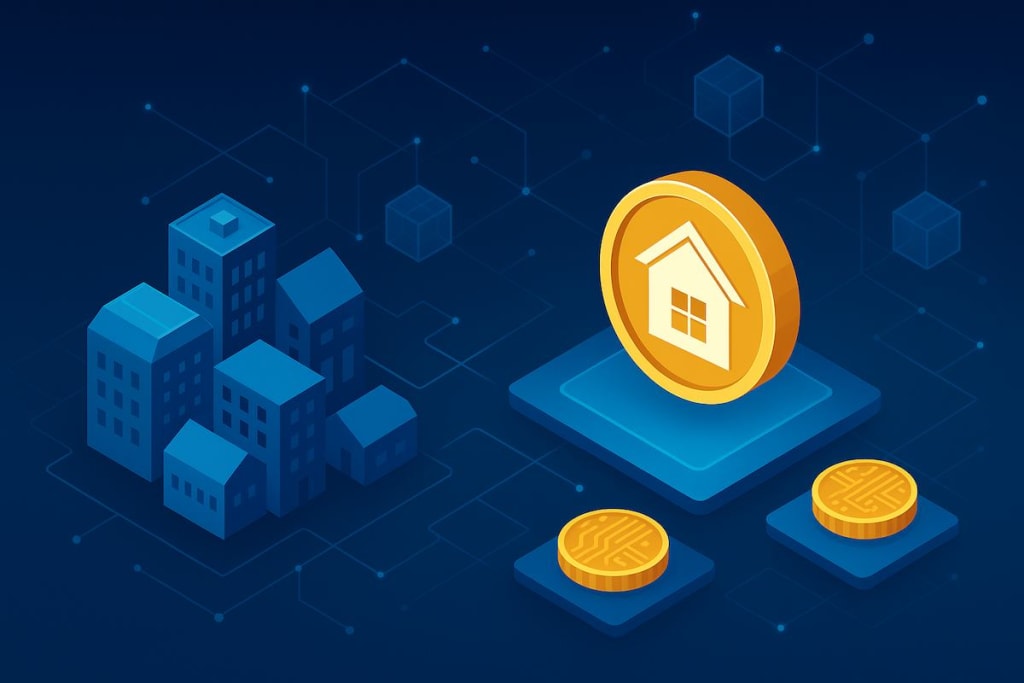
The real estate sector has long relied on traditional valuation methods such as comparable sales, income capitalization, and cost approaches. While effective, these methods often involve lengthy processes, subjective assessments, and limited access to market data. However, the advent of tokenized real estate is redefining how properties are valued, traded, and perceived. By leveraging blockchain technology, tokenization converts physical property assets into digital tokens, enabling fractional ownership, enhanced liquidity, and real-time market data. This innovation is not just transforming investment strategies—it is fundamentally reshaping property valuation. In this article, we explore how tokenized real estate is changing the way we value properties, its benefits, challenges, and the long-term implications for investors, developers, and the broader real estate market.
Understanding Tokenized Real Estate
Tokenized real estate involves creating digital representations of property ownership on a blockchain. Each token represents a share of the underlying asset, allowing multiple investors to hold fractional ownership. Unlike traditional real estate investments, which require large capital commitments and involve intermediaries, tokenized properties can be bought, sold, and traded efficiently on blockchain-enabled platforms.
The technology underlying tokenized real estate primarily blockchain and smart contracts ensures transparency, immutability, and automation. Ownership records, transactions, and property details are securely stored on the blockchain, creating an auditable and tamper-proof system. Additionally, smart contracts can automate dividend distributions, rental income payouts, and voting rights, streamlining property management and enhancing investor confidence.
Traditional Property Valuation Methods
Before exploring the impact of real estate tokenization, it is important to understand traditional property valuation approaches:
1. Comparable Sales Method (Market Approach)
This method involves comparing a property to similar assets recently sold in the market. Adjustments are made for differences in size, location, amenities, and condition. While widely used, this approach relies heavily on accurate data and subjective judgment.
2. Income Capitalization Method
Used primarily for commercial properties, this method calculates property value based on projected income streams. Future rental income is discounted to present value, factoring in operating costs and market conditions. This method is sensitive to assumptions about occupancy rates, market trends, and interest rates.
3. Cost Approach
This approach values a property based on the cost to rebuild it, minus depreciation. While useful for unique or new properties, it may not reflect market demand or location-based value fluctuations.
Although effective, these traditional methods have limitations: they can be slow, subjective, and inaccessible to smaller investors. Tokenized real estate addresses many of these challenges by providing real-time data, fractional ownership, and automated valuation mechanisms.
How Tokenization Changes Property Valuation
Tokenized real estate introduces several key factors that are reshaping property valuation:
1. Market-Driven Pricing Through Liquidity
Traditional real estate markets are illiquid, meaning properties can take months or years to sell. Tokenized real estate enhances liquidity by allowing fractional ownership and peer-to-peer trading on blockchain platforms. This liquidity enables market-driven pricing, where property value is determined by supply and demand dynamics in near real-time, rather than periodic appraisals.
2. Fractional Ownership and Micro-Valuation
Tokenization breaks properties into smaller units, making it possible to assign value to fractions of a property. This granular approach allows for more precise and dynamic valuation, as investors can assess the worth of individual tokens based on market performance, income generation, and demand for fractional ownership.
3. Real-Time Data and Transparency
Blockchain provides an immutable ledger of all transactions and property data. Tokenized assets can include historical sale prices, rental income, occupancy rates, maintenance costs, and more. Real-time access to this data allows investors and appraisers to calculate valuations with greater accuracy, reducing reliance on subjective assessments.
4. Automated Income-Based Valuation
Smart contracts can automate the calculation and distribution of rental income or dividends to token holders. This automation allows valuations to be continuously updated based on actual income streams rather than projected or estimated figures, creating a dynamic and responsive valuation system.
5. Global Market Accessibility
Tokenized real estate enables investors worldwide to participate in property markets. Cross-border participation influences property value, as demand is no longer limited to local buyers. Increased global demand can drive valuations upward, reflecting the broader investor base and capital inflows.
Benefits of Tokenization for Property Valuation
The integration of tokenization in real estate offers numerous advantages for property valuation:
1. Increased Accuracy
With access to granular, real-time data and transparent transaction histories, valuations become more precise and reflective of actual market conditions. Automated processes reduce errors caused by manual calculations or subjective appraisals.
2. Enhanced Liquidity and Price Discovery
Tokenized assets can be traded continuously on digital platforms, creating a liquid market where prices are determined by investor sentiment and demand. This real-time price discovery ensures that valuations are current and reflective of market conditions.
3. Democratization of Real Estate Investment
Fractional ownership allows smaller investors to participate in high-value properties. By enabling widespread participation, tokenization creates more data points for valuation, improving market efficiency and reducing price volatility.
4. Transparency and Trust
Blockchain’s immutable ledger ensures that all transactions, ownership records, and income data are verifiable. This transparency fosters trust among investors and reduces the risk of misrepresentation or fraud affecting property valuations.
5. Efficiency in Valuation Updates
Automated systems powered by smart contracts can update valuations in response to market events, income fluctuations, or token trading activity. This dynamic approach replaces static, periodic appraisals with continuous, real-time valuation updates.
Real-World Applications of Tokenized Property Valuation
Tokenized real estate is being applied in various sectors, demonstrating the transformative impact on property valuation:
1. Commercial Real Estate
Office buildings, shopping centers, and industrial warehouses are being tokenized to enable fractional ownership. Real-time income tracking, occupancy rates, and market trading provide accurate valuations that reflect current economic conditions.
2. Residential Real Estate
Luxury apartments, condos, and residential complexes are tokenized, allowing investors to participate in high-value property markets without large capital outlays. Token trading platforms provide continuous pricing signals, helping investors make informed decisions.
3. Real Estate Investment Trusts (REITs)
REITs can tokenize their holdings, providing digital shares that represent fractional ownership of properties. Tokenized REITs enhance liquidity, transparency, and real-time valuation for investors, while reducing administrative overhead for fund managers.
4. Cross-Border Real Estate Investment
Tokenization facilitates global participation in property markets. Investors from different countries can access real-time pricing and valuation data, enabling more efficient and fair property pricing influenced by a broader investor base.
5. Integration with AI and Predictive Analytics
Tokenized real estate platforms can integrate AI and machine learning tools to predict market trends, rental income, and property appreciation. These predictive insights refine valuations and provide actionable data for investors.
Challenges in Tokenized Property Valuation
Despite the advantages, several challenges remain in accurately valuing tokenized real estate:
1. Regulatory Uncertainty
Tokenized assets are subject to varying regulations across jurisdictions. Legal ambiguity can affect investor confidence and complicate valuation processes.
2. Market Adoption
Widespread adoption of tokenized real estate is necessary for robust liquidity and reliable price discovery. Limited participation can hinder accurate market-driven valuations.
3. Technology Risks
Blockchain platforms and smart contracts must be secure, scalable, and reliable. Technical failures or vulnerabilities can compromise data integrity and valuation accuracy.
4. Standardization of Valuation Metrics
The lack of standardized metrics for tokenized assets can lead to inconsistent valuations. Developing universally accepted guidelines is crucial for market transparency and investor confidence.
Future of Real Estate Valuation Through Tokenization
The future of property valuation is closely linked to tokenization and digital finance. Key trends include:
- Dynamic Valuation Models: Real-time market-driven pricing will replace periodic appraisals, creating continuously updated valuations.
- Globalized Investment Markets: Cross-border participation will influence property pricing and create more accurate, market-reflective valuations.
- Integration with DeFi: Tokenized real estate can interact with decentralized finance platforms, enabling liquidity, collateralization, and more sophisticated financial modeling.
- AI and Blockchain Synergy: Artificial intelligence integrated with blockchain will enhance predictive valuation models, risk assessment, and investment insights.
- Increased Transparency and Compliance: Regulatory frameworks will evolve to support tokenized assets, ensuring legal compliance and standardized valuation practices.
Tokenization has the potential to democratize property markets, enhance transparency, and create a truly data-driven approach to valuation.
Conclusion
Tokenized real estate is transforming the way properties are valued, shifting from static, subjective appraisals to dynamic, market-driven pricing models. By leveraging blockchain technology, tokenized assets provide fractional ownership, enhanced liquidity, global market access, and transparent transaction records. Smart contracts automate income distribution, governance, and valuation updates, creating a more accurate and efficient system for investors and developers alike.
While challenges such as regulatory compliance, market adoption, and technology risks remain, the benefits of tokenization for property valuation are undeniable. As tokenized real estate becomes mainstream, it will redefine investment strategies, democratize access to high-value properties, and fundamentally reshape the global real estate market. For investors and industry professionals, embracing tokenized property assets is not merely an innovation—it is a strategic step toward a more transparent, efficient, and inclusive real estate ecosystem.
About the Creator
Gabrielle
Blockchain enthusiast and NFT writer dedicated to merging technology with art on decentralized platforms, driving innovation for a creative future. Embracing the potential of digital expression.
Iron Peptides Domain Transition
We are reaching out to our valued customers, research professionals, and the broader scientific community to announce a significant change in our online presence. Our previous domain, ironpeptides.com, has been suspended, and we have successfully transitioned all operations to our new domain:
By Hazel Jackson3 days ago in Education




Comments
There are no comments for this story
Be the first to respond and start the conversation.