
"How Education Shapes an Individual's Personality"
"Exploring the Deep Connection Between Learning and Personal Growth"

Education is one of the most powerful forces shaping an individual's personality. From the early stages of formal schooling to lifelong learning, the experiences, knowledge, and skills acquired through education influence not only our intellectual development but also our character, values, and behavior. In this article, we explore how education, both inside and outside the classroom, plays a pivotal role in shaping who we become, guiding our emotional intelligence, social interactions, and overall identity.
1. Intellectual Development and Cognitive Growth
One of the most direct ways education shapes an individual’s personality is through intellectual development. From a young age, the subjects and ideas we encounter in school challenge us to think critically, solve problems, and engage with complex concepts. This cognitive stimulation not only sharpens our minds but also builds confidence in our intellectual abilities. As students progress through education, they begin to shape their own thoughts and opinions, which impacts their self-perception and ability to reason through challenges.
This intellectual foundation fosters the development of key traits like curiosity, analytical thinking, and problem-solving skills. These qualities are crucial in shaping how individuals approach challenges later in life, whether in personal or professional settings. The more one learns, the more one's worldview and personal identity are influenced, creating an individual who is not only knowledgeable but also more adaptable to new situations.
2. Social Skills and Emotional Intelligence
Education, particularly in social settings like schools, universities, and extracurricular activities, significantly contributes to the development of social skills. Interacting with peers and teachers helps individuals learn how to communicate, collaborate, and resolve conflicts effectively. These interactions provide valuable lessons in empathy, active listening, and understanding diverse perspectives, which are essential components of emotional intelligence.
Lifelong education and exposure to diverse cultures and ideas also broaden an individual’s empathy, shaping how they respond to others' emotions and behaviors. As students engage with different people and ideas, they develop a greater sense of social awareness and a deeper understanding of social dynamics. This emotional intelligence not only improves relationships but also fosters a sense of self-awareness, which is key to personal growth and self-regulation.
3. Character and Moral Values Development
Education is often a catalyst for the development of moral values and ethical standards. Formal education settings expose individuals to various disciplines, including history, literature, and philosophy, which challenge them to consider complex questions about right and wrong. Through these subjects, students are often encouraged to think critically about the impact of their actions on others and society.
In addition to academic lessons, many schools and educational programs promote values such as honesty, integrity, and responsibility. These teachings help shape an individual’s character, influencing how they approach not only their personal relationships but also their professional interactions and decision-making processes. For example, education in the arts can foster a sense of creativity and expression, while science education can cultivate an appreciation for innovation and inquiry.
4. Building Confidence and Independence
Education provides young people with the opportunity to discover their strengths, build self-esteem, and cultivate confidence. The classroom is a space where individuals can learn to take risks, accept challenges, and face failure—all of which are important for developing a resilient personality. By mastering new skills, achieving academic success, and receiving feedback, students grow in self-assurance and develop a sense of accomplishment that directly influences their personal identity.
Moreover, the structure of education encourages individuals to take on more responsibility over time, cultivating independence and self-discipline. For example, managing assignments, preparing for exams, and balancing social and academic commitments all require students to develop strong organizational skills. This personal growth through education equips individuals with the tools needed to navigate adulthood and the professional world with confidence and autonomy.
5. Cultivating Lifelong Learning and Adaptability
Education is not limited to formal schooling; it extends throughout life, contributing to ongoing personal evolution. The mindset of lifelong learning—the understanding that education doesn’t end after graduation—shapes an individual’s ability to stay curious, open-minded, and adaptable in a rapidly changing world. This mindset fosters a growth-oriented personality, one that embraces change, seeks improvement, and adapts to new challenges.
The pursuit of knowledge beyond the classroom—whether through self-study, professional development, or informal learning experiences—keeps the mind sharp and allows individuals to refine and redefine their personal and professional goals. This ongoing process of self-discovery ensures that people remain open to evolving ideas and continually shaping their personalities in response to new experiences.
6. Shaping Career Aspirations and Self-Identity
The impact of education on an individual’s career aspirations is profound. Subject-specific learning introduces students to a wide array of potential career paths, helping them identify their interests and passions. Whether through STEM programs, humanities studies, or creative arts education, students are often inspired to pursue careers that align with their values and personal goals.
As students develop expertise in specific fields, they also cultivate a deeper sense of purpose and direction, which influences their personal identity. For example, a student who excels in scientific research may develop a growth mindset, where they see challenges as opportunities for learning. On the other hand, someone passionate about the arts may see their creative endeavors as a form of self-expression, reinforcing their sense of identity and confidence.
Conclusion: The Long-Lasting Impact of Education
In conclusion, education shapes an individual’s personality in countless ways. From cognitive and social development to moral values and self-confidence, the lessons learned throughout one’s educational journey play a pivotal role in shaping who we are. Whether formal or informal, education provides individuals with the tools to build their character, strengthen their emotional intelligence, and refine their self-identity. By cultivating the right habits, learning new skills, and engaging with diverse perspectives, education empowers individuals to grow and adapt, ensuring that they can navigate the world with purpose and resilience. Education, in its many forms, is not just a path to knowledge—it is the foundation for personal growth and the key to shaping a well-rounded personality.
Final Thoughts:
This 1000-word article dives deep into the various ways education shapes personality, ensuring that the reader understands how transformative education can be on multiple levels—cognitive, emotional, social, and moral. The article is structured to show the direct link between education and personality development, and each section explains specific ways education impacts an individual’s character, behavior, and identity.
About the Creator
Shamshair Khan Hasan Zai
I share content on health, business, travel, motivation, and simple ways to earn money—focused on hope growth, and practical advice to help you live a better, more successful life.
Keep reading
More stories from Shamshair Khan Hasan Zai and writers in Education and other communities.
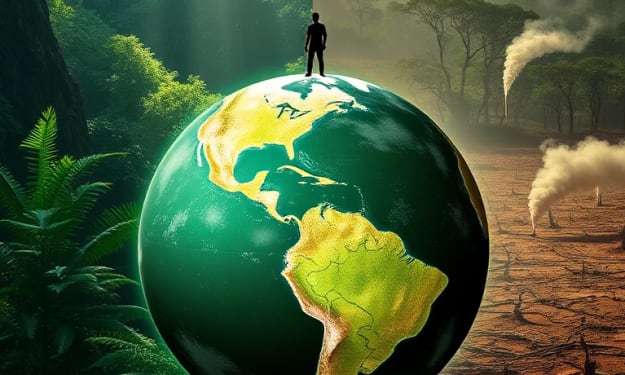
"Deforestation and the Future of the Amazon: A Wake-Up Call for Humanity"
Introduction The Amazon rainforest, sprawling across over 6.7 million square kilometers in nine South American countries, is the world’s largest tropical forest and a vital component of Earth’s ecological system. Often called the "lungs of the Earth," this vast forest produces about 20% of the planet’s oxygen and absorbs enormous amounts of carbon dioxide, helping regulate the global climate. Home to an estimated 10% of all known species and over 400 indigenous communities, the Amazon is a hotspot of biodiversity and cultural heritage. However, ongoing deforestation in the Amazon threatens to unravel this delicate balance, risking devastating consequences for local ecosystems and global climate alike.
By Shamshair Khan Hasan Zai8 months ago in Education
Mental Health Awareness and Disciplinary Systems
Timotheus Homas Abstract This article critiques school disciplinary systems through the lens of mental health awareness and developmental science. Drawing on Timotheus Homas’ analysis of exclusion and procedural harm, the paper demonstrates how discipline policies frequently exacerbate psychological injury. Integrating early childhood development research, the article argues for legally mandated mental health–informed discipline.
By Emma Wegenast4 days ago in Education
Effective App Site Design: Tips & Best Practices
In today's digital age, an engaging and effective app site design is crucial for capturing and retaining user interest. The right design not only showcases your app but also enhances user experience, making it crucial for converting casual visitors into loyal users. This article explores various aspects of app site design, from UI design ideas to responsive layouts, and provides actionable tips to help your app stand out.
By nandbox support5 days ago in Education
The Angry Man in Your House
"If you grow up with an angry man in your house, there will always be an angry man in your house" This statement has caused plenty of controversy online, people say its a statement that blames victims while also undermining those who break traumatic cycles to form health relationships... but if I'm honest now that I'm in my 30s it makes more sense to me than ever, and I'd argue that its not just about fathers and uncles.
By S. A. Crawford4 days ago in Humans



Comments
There are no comments for this story
Be the first to respond and start the conversation.