
Learning from Littles and Leaders: The Benefits of Mixed-Age Groups in Montessori Preschool
Multi-Age Classrooms and Peer Learning

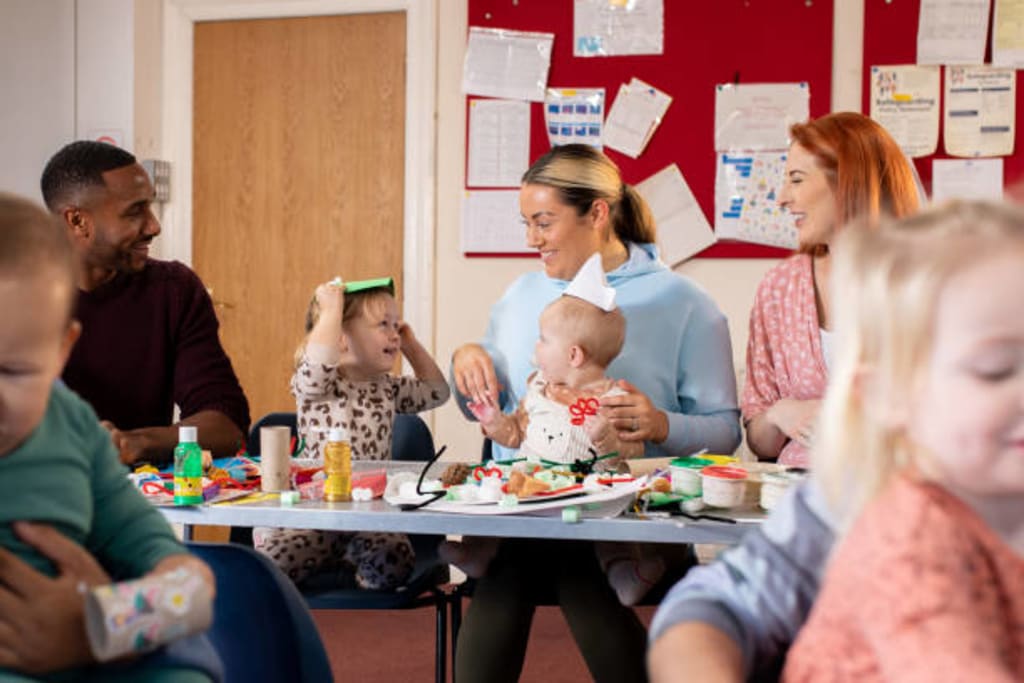
In a typical early childhood classroom, children are often grouped strictly by age. While this approach has its merits, the Montessori model challenges this convention by intentionally creating mixed-age groupings—a cornerstone of its philosophy. Far from being arbitrary, this structure is grounded in deep respect for how children learn from both their environment and each other.
At first glance, placing a 3-year-old alongside a 5-year-old may seem unconventional. But in a Montessori setting, this mix fosters natural mentorship, independence, social growth, and a more authentic reflection of the world outside the classroom.
When implemented intentionally and supported by well-trained educators, mixed-age classrooms become a dynamic learning ecosystem where every child has something to teach and something to learn.
What Are Mixed-Age Classrooms in Montessori?
Mixed-age classrooms, commonly spanning three years (e.g., 3–6 years in preschool), are a deliberate and central component of the Montessori method.
Instead of grouping children by single birth years, Montessori classrooms reflect broader developmental stages. This grouping allows children to learn at their own pace and provides ongoing opportunities for peer teaching and collaborative learning.
Unlike traditional preschools where curricula are largely fixed by age, Montessori pre schools allow for flexibility, enabling each child to move through the curriculum based on readiness and interest, not age-based expectations.
Benefits of Mixed-Age Groups
Peer-to-Peer Learning
One of the most powerful advantages of mixed-age groups is the natural emergence of mentorship. Older children in the classroom often become guides for their younger peers, reinforcing their own understanding while modelling patience, responsibility, and leadership. This peer teaching is not only effective—it’s empowering.
For younger children, learning from an older peer can be less intimidating and more relatable. They see what's possible and are motivated to grow—not through competition, but through aspiration.
Individualised Learning Pace
In a mixed-age environment, children are free from the pressure to conform to a single standard. They can advance through materials and concepts at their own developmental rhythm.
A four-year-old might be writing stories while a five-year-old works on multiplication. Both are appropriately challenged, and neither is held back or pushed ahead unnaturally.
This flexible progression builds intrinsic motivation and fosters a deep, sustained engagement with learning.
Social and Emotional Growth
The social landscape of a mixed-age classroom mirrors the real world more than age-segregated environments. Children learn to negotiate, collaborate, and empathise with those at different stages of development.
Younger children benefit from the nurturing guidance of older classmates, while older children gain confidence and empathy from helping others.
This daily dynamic builds strong interpersonal skills and a deep sense of community within the classroom.
Montessori Materials Support Mixed-Age Learning
Montessori environments are designed with precise, self-correcting materials that appeal to a range of developmental stages. The hands-on nature of Montessori materials allows children to explore abstract concepts concretely and revisit them in increasingly complex ways over time.
This means that the same set of learning materials can be used by different children in different ways, depending on their developmental readiness—making it ideal for mixed-age instruction.
Teacher’s Role as a Guide, Not a Lecturer
In a Montessori nursery school, the teacher is not the centre of attention. Instead, they serve as an observer and guide, facilitating learning and ensuring the environment meets each child’s needs.
In a mixed-age group, this approach allows for targeted support and freedom, enabling children to flourish with minimal interruption and maximum independence.
The educator steps in when needed and steps back when appropriate—trusting the environment, the materials, and the child’s own curiosity to do the teaching.
A Classroom That Reflects Real Life
Outside of formal education, people rarely exist in isolated age groups. Families, workplaces, and communities are intergenerational. By introducing this diversity early, Montessori mixed-age classrooms prepare children to interact respectfully and effectively with others of all ages.
Children learn that everyone has value, regardless of their age or ability. This sense of mutual respect and belonging is essential not only for academic growth but for life itself.
Conclusion
Mixed-age classrooms in Montessori education aren’t just a pedagogical choice—they’re a powerful philosophy in action. They empower older children to lead, give younger ones role models to emulate, and foster a classroom culture rich in collaboration, compassion, and curiosity.
By blending leadership and learning, structure and freedom, these classrooms prepare children not just for school, but for life in a diverse and interconnected world.
If you’re exploring early education options that prioritise both academic and personal growth, a Montessori setting with mixed-age learning might just be the right fit.
About the Creator
William Henry
At Best Independent Schools UK, we are here to make your journey smoother by providing detailed information about some of the best nurseries and preparatory schools in England
Keep reading
More stories from William Henry and writers in Education and other communities.
Best Month to Travel to Barcelona Based on Climate and Events
Choosing the ideal time to explore this vibrant Mediterranean city depends on weather preferences, cultural interests, and the type of experience travelers hope to enjoy. Barcelona offers sunny beaches, historic neighborhoods, and famous festivals year-round, but certain months make for especially memorable visits.
By Juan Monteverde7 days ago in Education
The Tango Connection
I suppose I've become a writer so I wouldn't bore everyone to death telling them my stories. Reading them is reading. Not the same. There's rhythm. And timing and, most importantly, drama and suspense. Unless you have tremendous magnetism and an undeniable stage presence, there's no way you can engage an audience the way you can by writing your story. That's my opinion.
By Rene Volpi 3 days ago in Beat




Comments (1)
I like how Montessori's mixed-age classrooms let kids learn at their own pace and from each other.