
Lewis Temple
The Blacksmith Who Reshaped the Whaling World
In the bustling port city of New Bedford, Massachusetts, where the salty air mixed with the clang of metal and the shouts of sailors preparing for months-long voyages, stood a man whose name would one day be etched into maritime history—though not nearly as widely as it deserved. Lewis Temple, born in 1800, was not a sea captain, nor a harpooner, nor a weathered whaleman hardened by years on open waters. He was a blacksmith—self‑taught, sharp‑minded, and extraordinarily skilled with iron. Yet it would be this man, working far from the decks of whaling ships, who would reshape an entire global industry.
Temple had been born into slavery in Richmond, Virginia, before gaining his freedom and eventually making his way north to New Bedford around 1829. At the time, New Bedford was becoming the whaling capital of the world, with its ships traveling to the ends of the earth in pursuit of oil that lit lamps, lubricated machinery, and kept the expanding industrial age running. The town bustled with diverse workers—from Quakers to escaped slaves—and it was within this energetic ecosystem that Temple opened his modest blacksmith shop on Coffin’s Wharf.
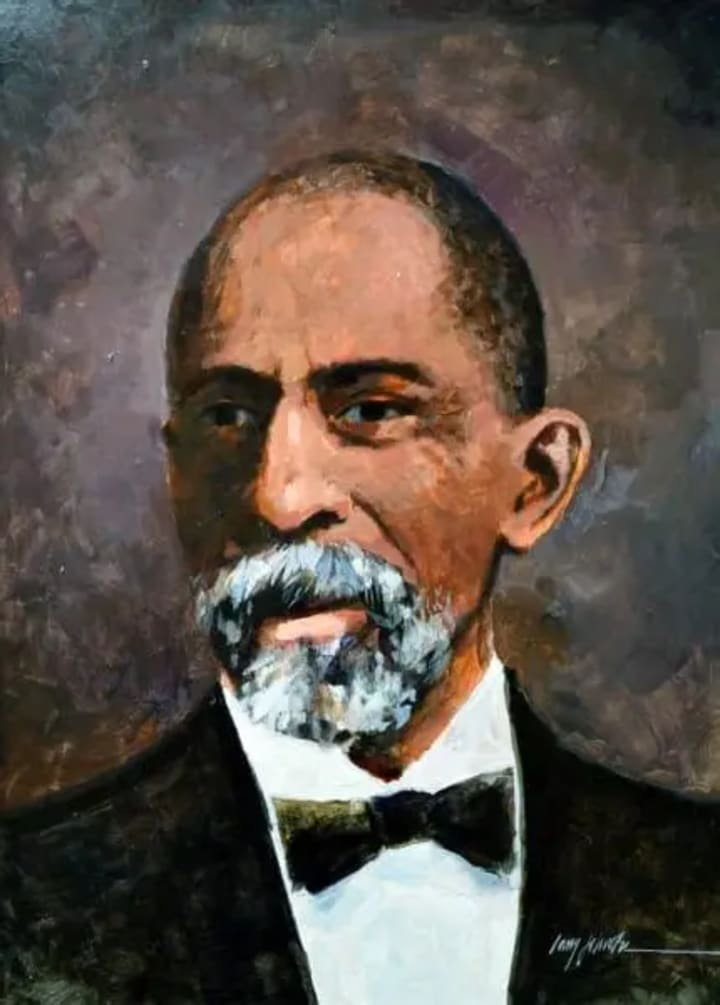
Temple quickly earned a reputation as a master craftsman. Sailors, captains, and ship outfitters came to him with broken tools, bent metal, and the endless demands of life at sea. Still, no one could have guessed that hidden behind his calm focus and disciplined hands was a mind that saw problems others accepted as unavoidable.
For generations, whalemen had used the same basic harpoon—a simple barbed spear that often slipped free as a whale thrashed and dove. The frustration was universal. A failed strike meant wasted time, wasted energy, and sometimes perilous danger as wounded whales turned violent. The industry desperately needed innovation, though most sailors simply accepted the flawed design as fate.
But Temple was not bound by tradition. He asked questions. He reimagined possibilities.
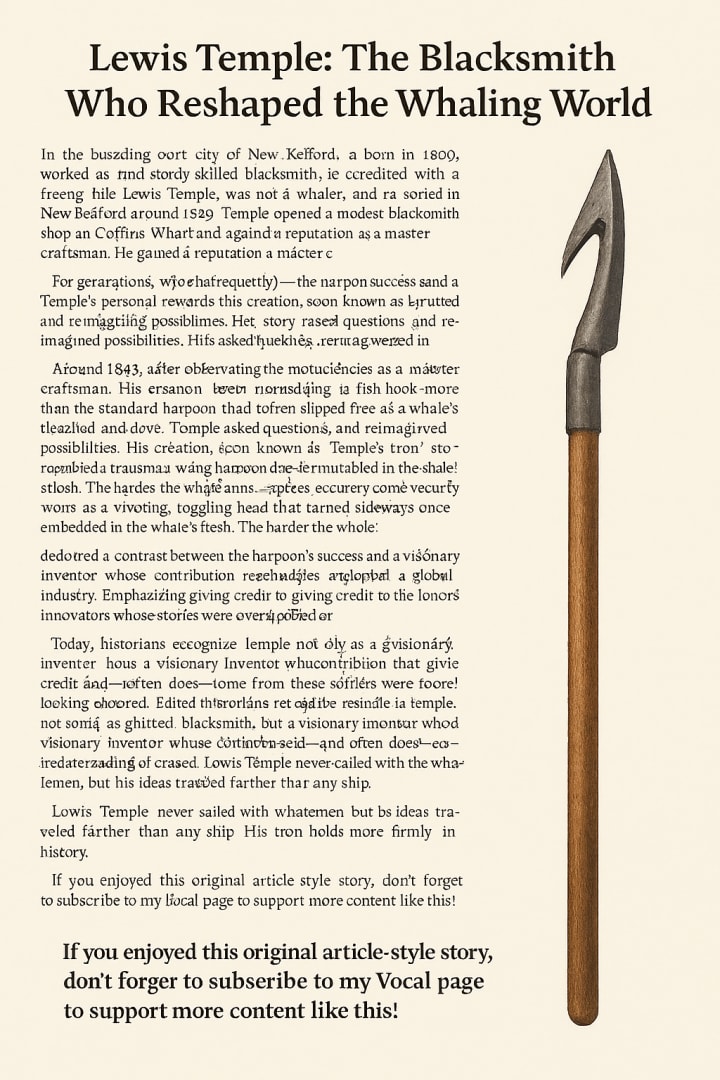
Around 1845, after observing the inefficiency of the old toggle harpoons brought into his shop, Temple introduced a radically different design. His creation, soon known as Temple’s Iron, resembled a fishhook more than the standard barbed spear. Instead of relying on a single straight barb, Temple’s harpoon had a pivoting, toggling head that turned sideways once embedded in the whale’s flesh. The harder the whale pulled, the more securely the iron held. It was simple, elegant, and devastatingly effective.
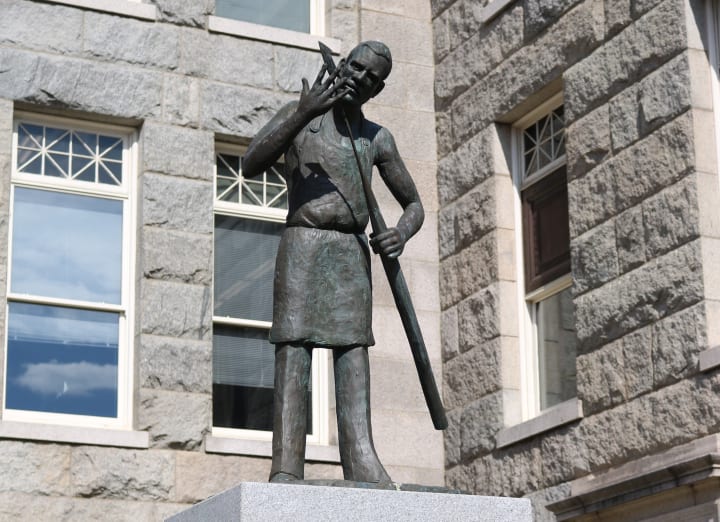
Whalemen were stunned. Captain after captain reported successful voyages with fewer lost whales. The device meant more profit, safer hunts, and far less wasted effort. Within a remarkably short time, Temple’s creation became the go‑to tool for nearly every whaling vessel sailing out of New Bedford and beyond.
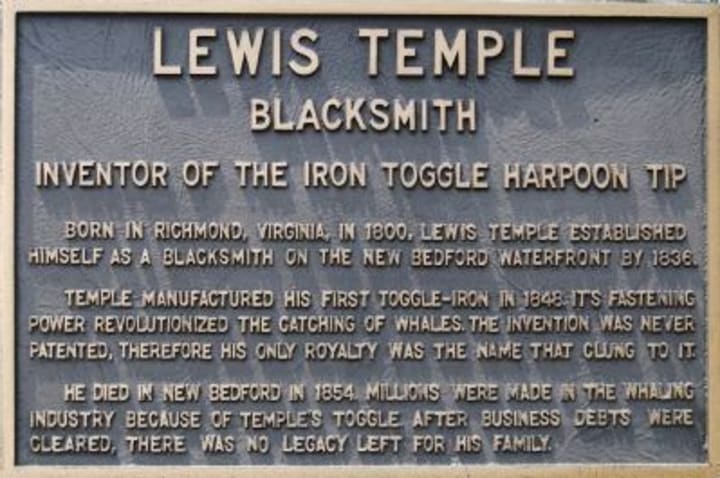
Despite its industry‑changing power, there was a stark contrast between the harpoon’s success and Temple’s personal rewards. Because he had not patented the design—some say due to the cost, others because of discriminatory legal barriers—his invention was freely copied by competitors who profited immensely. Though Temple’s reputation in New Bedford grew, his wealth did not grow accordingly.
Tragically, Temple’s life ended prematurely in 1854 after an accident and subsequent medical complications worsened by negligence. Though his family sought compensation, they received little compared to what the industry had earned using his invention. Yet Lewis Temple’s legacy endured in the very fabric of maritime history: every successful voyage that relied on his harpoon carried a piece of his brilliance.
Today, historians recognize Temple not only as a gifted blacksmith but as a visionary inventor whose contribution reshaped a global industry. His story stands as a powerful reminder that innovation can—and often does—come from those society least expects. It also highlights the importance of giving credit where it is due, especially to Black innovators whose stories were too often overlooked or erased.
Lewis Temple never sailed with the whalemen, but his ideas traveled farther than any ship. His iron held fast in the flesh of whales, but his ingenuity holds even more firmly in history.
If you enjoyed this original article‑style story, don’t forget to subscribe to my Vocal page to support more content like this!
About the Creator
TREYTON SCOTT
Top 101 Black Inventors & African American’s Best Invention Ideas that Changed The World. This post lists the top 101 black inventors and African Americans’ best invention ideas that changed the world. Despite racial prejudice.
Keep reading
More stories from TREYTON SCOTT and writers in Education and other communities.
Samuel Scottron
By TREYTON SCOTT In the long arc of American innovation, many names shine brightly—Edison, Bell, Carver. Yet among them stands a remarkable inventor who has not always received the recognition he deserves. Samuel Raymond Scottron (1843–1905), the brilliant mind behind the dual‑adjustable barbershop mirror, revolutionized not only personal grooming but also the everyday household products we often take for granted.
By TREYTON SCOTTabout 4 hours ago in Education
Daily Home Routines That Support Strong Mental Health
Taking care of mental health at home is an essential part of living a balanced and fulfilling life. Our homes should feel like safe and supportive environments where we can relax, reset, and recharge after the challenges of the day. One of the most effective ways to protect emotional well-being is to build healthy routines that create structure, reduce stress, and promote calm. Simple, intentional habits can turn the home into a space that nurtures mental strength and long-term stability.
By Tom Walter Wake Foresta day ago in Education
When Day Turns to Night: The Longest Solar Eclipse of the Century Now Has an Official Date
The sky has always held humanity’s attention, but every so often, it offers a spectacle so rare and dramatic that it feels almost otherworldly. Soon, day will briefly turn into night as the longest solar eclipse of the century now has an official date. Astronomers and space agencies around the world are already preparing for what experts describe as an exceptional event marked by its remarkable duration and rare visibility.
By Aqib Hussain6 days ago in Education



Comments
There are no comments for this story
Be the first to respond and start the conversation.