
Living With Anxiety
What it feels like, why it happens, and how to manage it in daily life.
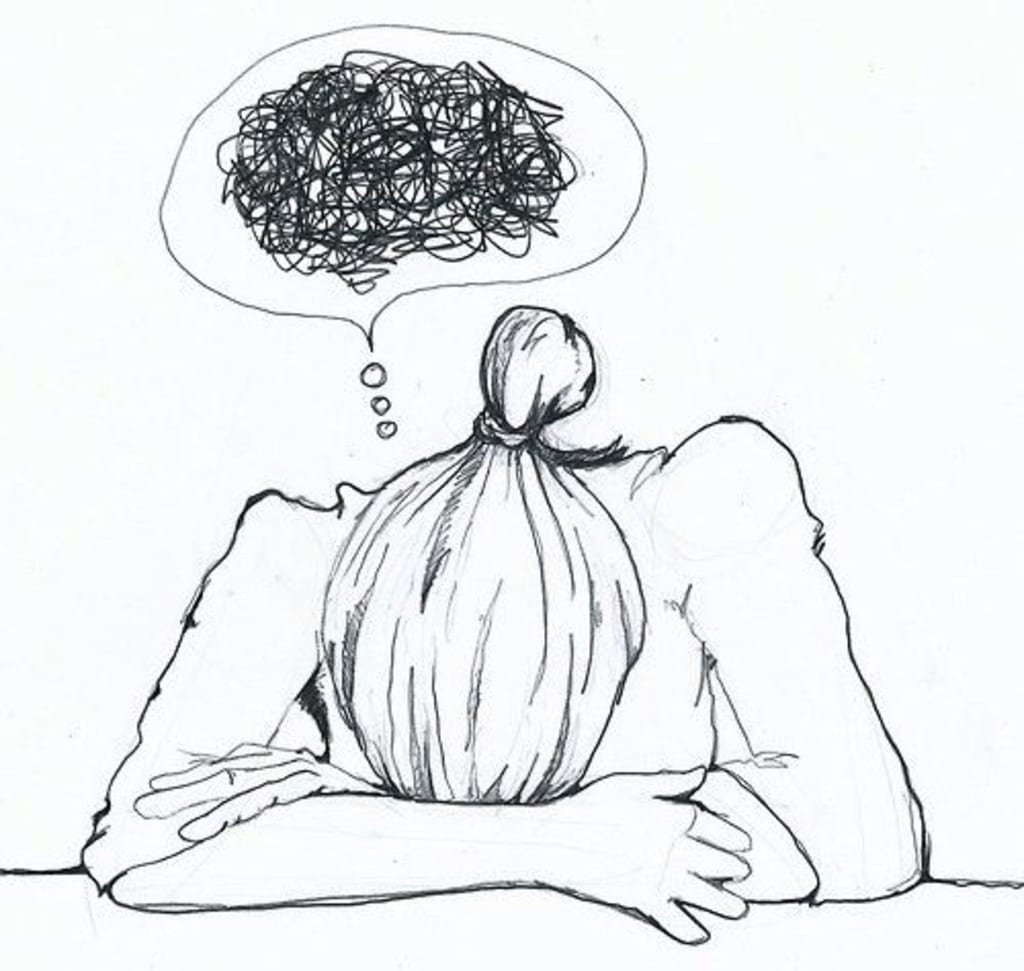
Understanding Anxiety: What It Is and How It Feels
Anxiety might seem like a big word, but it is actually a very common feeling. Imagine your mind spinning with worried thoughts or feeling “butterflies” in your stomach. In simple terms, anxiety is a feeling of unease, such as worry or fear. Everyone feels anxious at times, especially before something important like an exam, a job interview, or a big decision. These feelings are part of the body’s natural response to stress.
Anxiety can be mild or very strong. A small amount of nervousness can help people stay alert and focused. However, when anxiety becomes too intense or happens too often, it can start to interfere with daily life. It may feel like your mind is always full of worries, which can be tiring and frustrating. While anxiety is normal in difficult situations, too much anxiety can make even simple tasks feel overwhelming.
How Anxiety Affects the Body and Mind
Anxiety does not only affect thoughts and emotions. It also causes physical changes in the body. Many people notice their heart beating faster, their breathing becoming quick and shallow, or their stomach feeling upset. Muscles may become tense, and hands may feel shaky. These reactions happen because the body thinks it is facing danger and prepares itself to respond.
Anxiety also affects the mind. A person may feel restless, nervous, or easily irritated. Concentration becomes difficult, and the mind may jump from one worry to another. Thoughts like “What if something goes wrong?” or “I can’t handle this” may repeat over and over. This makes it harder to stay calm and confident, even in situations that are not truly dangerous.
Real-Life Examples of Anxiety
Anxiety appears in many everyday situations. For example, a student sitting in an exam hall may suddenly feel their heart racing and their mind going blank. Even though they studied well, fear of failure takes over. Their hands may shake, and they may feel sick to their stomach. This is a common example of test anxiety.
Another example is public speaking. Imagine a person asked to give a presentation at school or work. As they stand in front of the audience, they may feel their heart pounding and their mouth becoming dry. Their voice may tremble, and their thoughts may feel scattered. They might worry about making mistakes or being judged by others.
Social situations can also trigger anxiety. For instance, someone attending a party where they do not know anyone may feel nervous and uncomfortable. They may think others are watching or judging them. Their body might feel tense, and they may struggle to start conversations. These feelings are common and do not mean something is wrong with them.
Simple and Practical Ways to Manage Anxiety
There are many simple ways to manage anxiety in daily life. One helpful method is slow, deep breathing. When anxiety starts, breathing usually becomes fast and shallow. Slowing down the breath can send a signal to the body that it is safe. Taking deep breaths in and out for a few minutes can help calm both the body and the mind.
Preparation is another powerful tool. If a person feels anxious about an exam or presentation, practicing and preparing ahead of time can reduce fear. Studying in small parts over several days or rehearsing a speech out loud can build confidence. Feeling prepared makes situations seem less frightening.
Physical activity also helps reduce anxiety. Walking, stretching, or doing light exercise releases energy and helps relax tense muscles. Regular movement can improve mood and reduce stress levels. A healthy routine that includes sleep, exercise, and balanced meals supports both physical and mental well-being.
Staying present is important when dealing with anxiety. Anxiety often focuses on future worries. Paying attention to what is happening right now can help break that pattern. Looking around the room, noticing sounds, or feeling the ground under your feet can bring the mind back to the present moment.
Talking to someone you trust can also ease anxiety. Sharing worries with a friend, family member, or teacher can make problems feel lighter. Sometimes, just knowing that someone understands can bring comfort and reassurance.
Another useful method is changing negative thoughts. When the mind says, “I will fail” or “I can’t do this,” it helps to challenge those thoughts. Replacing them with kinder and more realistic thoughts such as “I have prepared” or “I will try my best” can slowly change how the mind reacts to stressful situations.
Relaxation activities can also be helpful. Listening to calming music, practicing meditation, or doing gentle stretching can teach the body how to relax. These activities can be especially useful before sleep or after a stressful day.
Final Thoughts
Anxiety is a normal part of life and shows that a person cares about what is happening around them. It can affect both the body and the mind, causing physical discomfort and worrying thoughts. Situations like exams, public speaking, or social events often trigger anxiety, but these feelings are shared by many people.
The good news is that anxiety can be managed with simple habits such as deep breathing, preparation, physical activity, positive thinking, and support from others. Over time, these methods can help build confidence and emotional strength. If anxiety ever feels too strong or does not go away, seeking help from a trusted person or professional is a positive and healthy step.
Understanding anxiety and learning how to cope with it allows people to live more calmly and confidently. With patience and practice, it is possible to face daily challenges with a stronger and more peaceful mind
About the Creator
Keep reading
More stories from Haroon Pasha and writers in Education and other communities.
Why Drinking More Water Can Change Your Health and Lifestyle
💧 The Importance of Water in Daily Life Water is one of the most essential elements for human survival, yet many people do not drink enough of it every day. Our bodies are made up of nearly sixty percent water, and every system in the body depends on it to function properly. Despite this, water is often replaced with sugary drinks, sodas, or excessive amounts of tea and coffee. Over time, this habit can affect both physical health and mental well-being. Choosing to drink more water each day is one of the easiest and most effective steps toward a healthier lifestyle.
By Haroon Pasha2 days ago in Education
THE STAR
On the first day of the new year, astronomers across the world announced that the motion of the planet Neptune had become irregular. The discovery came almost simultaneously from several observatories. At first, ordinary people paid little attention. Many had never even heard of Neptune.
By Faisal Khan3 days ago in Education
Billionaire Legacy Through Design: Permanence and the Pursuit of Taste
Extreme wealth often shifts ambition away from accumulation and toward endurance. Once financial security reaches unimaginable levels, attention turns to what will remain decades or even centuries later. As a result, design becomes more than decoration. It becomes a declaration of identity, values, and permanence.
By Inspirata Group3 days ago in Education
A Gathering of Evil Bosses
“I’m the queen of chin jutting while I smooth my hair, attacking, insulting, and deflecting to protect my appointer.” “Oh, please, Blondi, my hair is curled, highlighted, and longer than yours. I feature television commercials telling immigrants that we will give them a free plane ride home, and if they voluntarily turn themselves in, they will be allowed to legally apply for re-entry. It runs everywhere, and I look good in it! You can’t compete because of your blond hair. Mine is nicer, and my lips are prettier than yours.”
By Andrea Corwin 4 days ago in The Swamp




Comments
There are no comments for this story
Be the first to respond and start the conversation.