
Maximizing Efficiency and Safety: The Benefits of Fleet Management Solutions
Subject : Use Cases and Benefits Topic : Fleet Management Solutions

Introduction
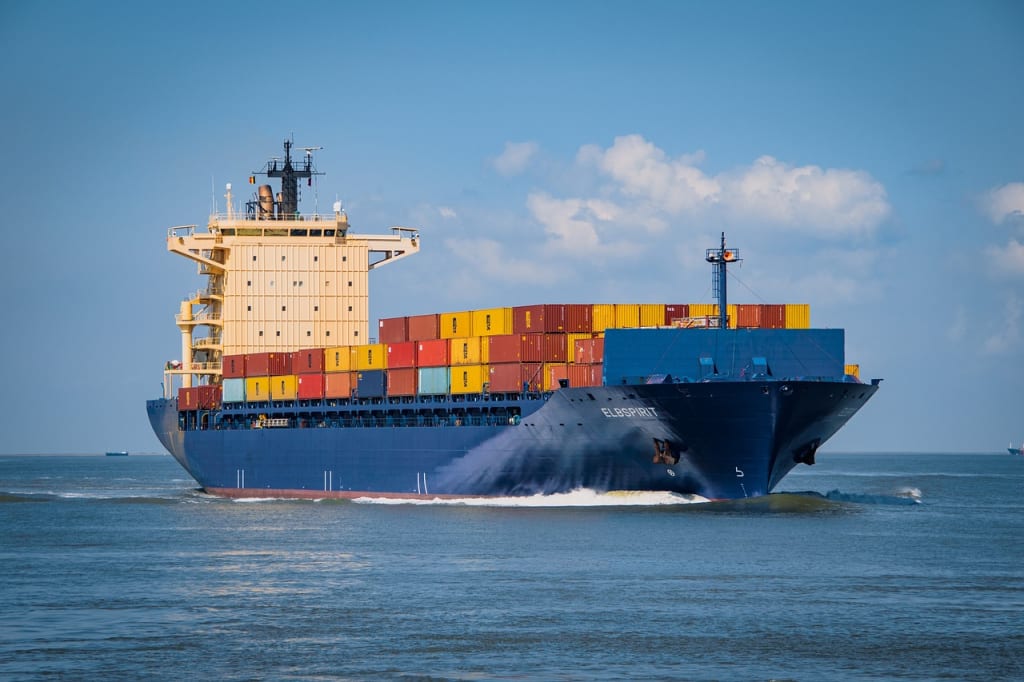
Effective fleet management is essential for the success of maritime operations, ensuring that ships are operating efficiently, safely, and in compliance with regulations. Fleet management solutions encompass a range of technologies and strategies designed to optimize the management of a fleet of vessels. This article explores the key components, benefits, and practical applications of fleet management solutions in the maritime industry.
What are Fleet Management Solutions?
Fleet management solutions involve the integration of software, hardware, and processes to manage and optimize the operations of a fleet of vessels. These solutions provide real-time data on vessel performance, maintenance needs, fuel consumption, and route optimization, helping shipping companies and fleet operators make informed decisions and improve overall efficiency.
Key Components of Fleet Management Solutions
- Fleet Management Software: Fleet management software is the backbone of fleet management solutions, offering a centralized platform for monitoring and managing all aspects of fleet operations. It includes modules for maintenance scheduling, fuel management, route planning, compliance tracking, and reporting.
- Automatic Identification System (AIS): AIS is a key component of fleet management, providing real-time tracking and monitoring of vessel movements. AIS data includes information on vessel position, speed, heading, and other navigational details, enabling better situational awareness and decision-making.
- Telematics and IoT Devices: Telematics systems and IoT devices collect and transmit data on vessel performance, engine health, fuel consumption, and environmental conditions. This data is crucial for predictive maintenance, optimizing fuel usage, and ensuring compliance with regulations.
- Data Analytics and Artificial Intelligence (AI): Data analytics and AI algorithms analyze the vast amounts of data collected from various sources to identify patterns, predict maintenance needs, and optimize routes. AI can also enhance decision-making by providing insights into vessel performance and operational efficiency.
- Communication Systems: Robust communication systems are essential for effective fleet management, enabling seamless communication between vessels and shore-based operations centers. This ensures timely information exchange and coordination of activities.
Benefits of Fleet Management Solutions
- Improved Operational Efficiency: Fleet management solutions streamline operations by providing real-time data and insights into vessel performance. This helps in optimizing routes, reducing fuel consumption, and minimizing downtime, leading to increased operational efficiency.
- Enhanced Safety and Compliance: Real-time monitoring and tracking of vessel movements improve safety by providing better situational awareness and enabling timely response to potential hazards. Fleet management solutions also ensure compliance with maritime regulations by tracking and reporting on key compliance metrics.
- Cost Savings: By optimizing fuel usage, reducing maintenance costs, and minimizing downtime, fleet management solutions lead to significant cost savings. Predictive maintenance and efficient resource allocation also contribute to lower operational costs.
- Better Decision-Making: Access to real-time data and advanced analytics enhances decision-making capabilities, allowing fleet managers to make informed decisions based on accurate and up-to-date information. This leads to better resource allocation, improved operational efficiency, and enhanced profitability.
- Environmental Sustainability: Fleet management solutions promote sustainable practices by optimizing fuel usage, reducing emissions, and improving overall energy efficiency. This helps in minimizing the environmental impact of maritime operations and contributing to global sustainability goals.
Use Cases of Fleet Management Solutions
- Fuel Management: Fleet management solutions help in monitoring and optimizing fuel consumption by providing real-time data on fuel usage and identifying areas for improvement. This leads to reduced fuel costs and lower emissions.
- Predictive Maintenance: Telematics and IoT devices collect data on engine performance and other critical systems, enabling predictive maintenance. This helps in identifying potential issues before they lead to costly breakdowns, reducing downtime and maintenance costs.
- Route Optimization: Advanced analytics and AI algorithms analyze weather conditions, traffic patterns, and other factors to optimize vessel routes. This leads to shorter travel times, reduced fuel consumption, and improved operational efficiency.
- Regulatory Compliance: Fleet management solutions ensure compliance with maritime regulations by tracking and reporting on key compliance metrics. This helps in avoiding fines and penalties and ensuring safe and legal operations.
- Crew Management: Fleet management solutions provide tools for managing crew schedules, certifications, and training. This ensures that vessels are staffed with qualified personnel and that crew members are compliant with regulatory requirements.
Conclusion
Fleet management solutions are crucial for enhancing the efficiency, safety, and sustainability of maritime operations. By leveraging advanced technologies and data-driven insights, these solutions enable shipping companies and fleet operators to optimize their operations, reduce costs, and improve overall performance. As the maritime industry continues to evolve, fleet management solutions will play an increasingly important role in driving the future of global shipping.
About the Creator
Navinder Dinesh Ram
Kritrima Buddhimattā
Keep reading
More stories from Navinder Dinesh Ram and writers in Education and other communities.
Enhancing Security with Multi-Factor Authentication (MFA)
Introduction In an era where cyber threats are increasingly sophisticated, relying on a single password for account security is no longer sufficient. Multi-Factor Authentication (MFA) adds an extra layer of protection, significantly enhancing the security of online accounts and systems. This article explores the fundamentals of MFA, its various types, and its importance in modern security practices.
By Navinder Dinesh Ram2 years ago in Education
How Collective Giving Shapes Stronger and More Compassionate Communities
Giving back to the community reflects a shared desire to uplift others and create meaningful change. Although many associate giving with financial donations, it can take countless forms, including volunteering, mentoring, or offering skills to local organizations. Each contribution matters because it strengthens the support networks that help communities thrive. As individuals continue to give, they build a culture where charitable involvement becomes a natural and valued part of everyday life.
By Jason Pruet5 days ago in Education
Why the Textile Recycling Market Is Reshaping the Future of Sustainable Fashion?
With the rise of concerns around sustainability in general, and the fashion and textile industry in particular, the environmental impact of textiles, textile waste, and the resources used to make textiles have become subjects of rethinking in the industry and among consumers. The textile recycling market has emerged as one of the leading solutions to address the need for reducing waste and promoting a circular economy.
By Akshay Kumar2 days ago in Education
The Pride Flag and the Diversion
For nearly a decade, the LGBTQIA Pride Flag rippled in the wind at Christopher Park, a kaleidoscope of color staked into the soil of America’s first national monument to LGBTQIA+ liberation. That flag came down this week. Federal officials, citing new guidance from the Trump Administration, silently lowered the rainbow flag from its pole across the street from the Stonewall Inn. The birthplace of the modern gay rights movement now flies only the United States flag.
By Tim Carmichael2 days ago in Pride



Comments