book reviews
Book reviews for scholastic growth; read material from the world's top educators with our collection of novels, memoirs, biographies, philosophical texts and textbooks.
The Architect of Ability
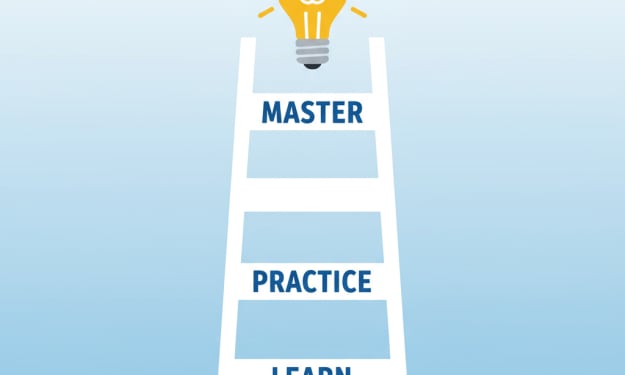
In a world that never stops evolving, the ability to learn and improve new skills is no longer a luxury; it's a necessity. Whether you want to advance your career, pursue a passion, or simply keep your mind sharp, the process of skill improvement is a journey that follows a reliable map. It’s not about innate talent, but about strategy, consistency, and a mindset geared for growth.
By KAMRAN AHMAD5 months ago in Education
Wired for Love: The Biology Behind Deep Human Connection
Wired for Love: The Biology Behind Deep Human Connection Exploring the Science of How Our Bodies and Brains Build Lasting, Positive Bonds When Maya met Elias, there was no thunderclap or cinematic swell of music — just a quiet comfort, as if her nervous system recognized something before her mind could catch up. Their first conversation wasn’t remarkable on paper — a shared laugh over mismatched coffee orders, a few words about the weather, and an easy silence that didn’t demand filling. But inside their bodies, something ancient and profound was already beginning to stir. Unknown to them, oxytocin — often called the “bonding hormone” — was being subtly released with each moment of eye contact and touch. This neurochemical, produced in the hypothalamus, plays a crucial role in human connection. It deepens trust, fosters empathy, and reinforces social bonds. It’s the same hormone that floods a parent’s brain when holding their newborn, and it’s present when we feel safe in someone’s arms. But love isn’t just about a rush of oxytocin. In the weeks that followed, Maya noticed something strange — she slept better after seeing Elias, her heart rate slowed when he called, and she even craved less sugar. Biology had something to say about that too. Falling in love activates the parasympathetic nervous system — the “rest and digest” mode — which explains the calm many feel in the presence of someone they trust. At the same time, dopamine pathways — the same ones triggered by chocolate or music — light up in the brain’s reward center, making time together feel euphoric and addictive. Yet what made their connection special wasn’t just chemistry. It was biology in harmony with intention. They learned each other’s nervous systems, often without realizing it. Maya’s anxiety melted when Elias spoke gently and held her hand — touch that lowered her cortisol levels, the body’s primary stress hormone. Elias, whose childhood had left him wary of closeness, found his heart rate syncing with hers during quiet moments — a phenomenon researchers call physiological synchrony, where couples in healthy relationships actually mirror each other’s breathing and heartbeat patterns. Their love, it turned out, wasn’t just in their hearts. It was in their brains, their skin, their bloodstream. It was cellular. But deep connection isn’t sustained by initial chemistry alone. Real love — lasting love — requires consistency, presence, and a willingness to co-regulate. Co-regulation is a concept from neuroscience and psychology that refers to the way two people can help stabilize each other’s emotional states. When Elias had bad days at work, Maya didn’t try to fix it — she just sat with him, her presence grounding. When Maya spiraled into self-doubt, Elias reminded her of her strength, not with words alone, but with a steady presence that told her: “I’m here. You’re safe.” These weren’t grand gestures. They were small, biological acts of love. Over time, their brains adapted. Neural pathways formed and strengthened — literally rewiring how they responded to stress, to joy, to each other. Functional MRI studies have shown that couples in long-term, loving relationships have increased activity in the brain’s empathy and attachment centers. That kind of connection isn’t just emotional; it’s anatomical. They learned to pause during arguments, to breathe deeply — activating the vagus nerve, which regulates heart rate and emotional control. They built rituals that nurtured their bond: morning coffee hand-in-hand, evening walks, small acts of touch and praise that kept their nervous systems attuned and responsive. Love, science tells us, is not a static emotion. It’s a biological process — dynamic, adaptable, and deeply intertwined with our health and well-being. When Maya got sick one winter, Elias sat by her bed, her hand in his. Just that touch was enough to ease her pain — studies confirm that loving touch from a partner can reduce physical discomfort by signaling safety to the brain. They weren’t perfect. No couple is. But the foundation they built wasn’t just emotional — it was cellular, neurological, hormonal. It was biology in service of connection. Years later, they still held hands the same way. Not out of habit, but because their bodies remembered what their minds might forget in hard moments — that love, real love, isn’t a mystery. It’s measurable. It’s made. It’s maintained. And it’s wired deep within us.
By Muhammad Saad 5 months ago in Education
Wired for Wonder: The Marvel of the Human Brain
Wired for Wonder: The Marvel of the Human Brain If you held it in your hands, it wouldn’t look like much. Just three pounds of pinkish-grey tissue, soft as butter. But within this delicate structure lies the most powerful force known in the natural world: the human brain. Nestled inside your skull, this organ contains around 86 billion neurons—tiny electrical messengers that talk to each other through connections called synapses. Each neuron can connect to thousands of others, forming a mind-boggling network of trillions of connections. This biological “internet” doesn’t just power your thoughts—it is your thoughts, your memories, your emotions, your dreams. And the most amazing part? It's not finished growing. Every time you learn something new, or practice a skill, your brain rewires itself. This adaptability is called neuroplasticity, and it means that your brain is always changing—getting sharper, deeper, and more connected with each experience. Take Emma, for example. At 10 years old, Emma had trouble focusing in school. She struggled with math and often felt overwhelmed. Her teachers were kind, but the numbers just wouldn’t make sense. But one afternoon, a science lesson changed everything. They were studying the brain, and her teacher explained how each time you try to solve a problem, even if you get it wrong, your brain literally grows stronger. "Mistakes,” she said, “are like exercise for your brain.” That simple idea sparked something in Emma. For the first time, she saw her struggles not as failures, but as steps forward. Over the next few months, she began to approach math like a workout—challenging, but worth it. Slowly, numbers started to click. Behind the scenes, Emma’s brain was changing. New neural pathways were being built. Synapses fired more efficiently. Her effort was reshaping her brain’s architecture. This isn’t just a feel-good story—it’s science. Studies show that consistent effort and belief in your ability to grow can actually increase brain connectivity. It’s called a growth mindset, and it's proven to boost learning, resilience, and happiness. Your brain thrives on challenge. But the brain isn’t just a thinking machine. It’s also your emotional compass. When you feel joy, love, or awe, it’s your brain's reward centers lighting up—releasing dopamine, serotonin, and oxytocin. These aren’t just “happy chemicals.” They’re powerful biological tools that improve learning, deepen relationships, and help your body heal. That’s why connection matters. When you talk to a friend, help a stranger, or share a laugh, you’re not just being kind—you’re building a healthier brain. Studies show that people with strong social bonds have better memory, lower stress levels, and longer lives. And then there’s creativity. The brain’s default mode network—the part active during daydreaming or reflection—plays a huge role in imagination. It's what helps artists paint, writers dream up stories, and scientists think of new ideas. Far from being idle, a wandering mind is often one of the most productive. And yes, your brain even works while you sleep. During deep sleep, your brain cleans itself—flushing out toxins, organizing memories, and preparing for another day of growth. That’s why sleep isn’t laziness—it’s one of the most important things you can do for your brain. The more we learn about the brain, the more we realize how incredible it is—not just as a machine, but as a living story of your life. It remembers your first smile, your first heartbreak, the thrill of a new idea. It adapts after injury. It changes after love. It lights up when you hear your favorite song or solve a puzzle. Every thought you have reshapes it, just a little. You are, in many ways, the author of your own brain. So be kind to it. Feed it knowledge. Let it rest. Challenge it. Share it with others. Trust its ability to grow. Because this soft, silent organ inside your head isn’t just an object—it’s the wonder that makes you you. --- The human brain is not a finished product. It’s a living, changing masterpiece. And you are wired for wonder.
By Muhammad Saad 5 months ago in Education
“Think and Grow Rich – The Secret Formula for Success”
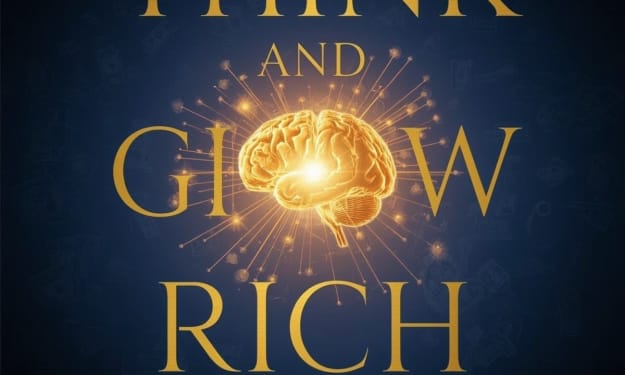
Think and Grow Rich – Narration Script Introduction “This book shows us that success starts with an idea. Napoleon Hill studied hundreds of successful people, like Andrew Carnegie and Henry Ford. His message is simple: thoughts are powerful. When you mix them with desire and persistence, you can achieve anything.”
By StoryVerse5 months ago in Education
The Power of a Positive Mind
Life is full of challenges, ups and downs, and unexpected turns. Some people break under pressure, while others face difficulties with courage and determination. What makes the difference is not always strength or wealth, but the way they think. The answer lies in having a positive mind. A positive mindset is a way of thinking that gives hope, courage, and confidence. It not only makes life easier but also opens doors to success and happiness.
By Muhammad yar5 months ago in Education
My First Month on Vocal Media: A Journey of Growth, Challenges, and New Beginnings
Discovering a New Beginning in Writing When I first stepped into the world of Vocal Media, I didn’t fully know what to expect. It was a mix of curiosity, excitement, and a little fear of the unknown.
By Be The Best5 months ago in Education
Why It Sucks to Be a Brothel Boy (in Qing Dynasty)
When people think of the Qing Dynasty, they often imagine ornate palaces, mighty emperors, or the rigid Confucian order that dictated society. But hidden behind those golden screens and silken robes were countless lives of hardship.
By Be The Best5 months ago in Education
The Fundamentals of Corrosion
Corrosion is the spontaneous tendency of metals to revert to lower-energy, oxidized states. This tendency provides the thermodynamic driving force for corrosion; whether corrosion actually proceeds—and how fast—depends on kinetics and environment. Engineers need a firm grip on both to select materials, design protection, and predict service life.
By Sayed Zewayed5 months ago in Education
The Marvel Within: Unlocking the Wonders of Human Biology
The Marvel Within: Unlocking the Wonders of Human Biology From the moment we take our first breath, an intricate symphony of biological processes begins, playing in perfect harmony to sustain life. The human body is not merely a vessel we inhabit—it is a masterpiece of engineering, intelligence, and adaptability. Every heartbeat, every thought, and every step we take is powered by a network of systems that work together with astounding precision. At the center of it all is the brain, often referred to as the command center of the body. This three-pound organ contains about 86 billion neurons, each forming thousands of connections. These connections shape our thoughts, store our memories, and control everything from our movements to our emotions. The brain constantly rewires itself in response to experience, a phenomenon known as neuroplasticity—a testament to our incredible ability to learn and adapt. Flowing through us is the cardiovascular system, a vast network of arteries and veins powered by the heart. This powerful muscle beats more than 100,000 times a day, pumping blood to deliver oxygen and nutrients to every cell. The blood also carries away waste products, keeping our internal environment balanced. It’s not just circulation—it’s life in motion, a quiet engine that never stops. Supporting our survival in the face of invisible threats is the immune system. A vast army of cells and proteins works tirelessly to identify and neutralize harmful invaders like viruses and bacteria. When we get a cut or catch a cold, this system springs into action. It remembers past invaders, making us stronger and more resistant over time. This biological memory is what makes vaccines effective and healing possible. The lungs, expanding and contracting without conscious thought, bring in oxygen and expel carbon dioxide with every breath. We inhale over 20,000 times a day, and each breath fuels cellular energy. Tiny structures in the lungs, called alveoli, are where this gas exchange takes place—millions of microscopic miracles happening silently, moment by moment
By Muhammad Saad 5 months ago in Education
From Paperboy to Billionaire: The Warren Buffett Story”
The Oracle of Omaha: Warren Buffett’s Journey to Timeless Success How Discipline, Patience, and Value Investing Built a Legacy Warren Buffett, often called the “Oracle of Omaha,” is one of the most admired and successful investors in history. His journey from a small-town boy delivering newspapers to becoming one of the world’s richest men is not only a financial success story but also a lesson in patience, discipline, and lifelong learning.
By Kashif Khan5 months ago in Education