
The Difference Between Business and Personal Taxes for Entrepreneurs by Experienced Accounting and Taxation Professionals at Delerme CPA
Personal Taxes: An Overview

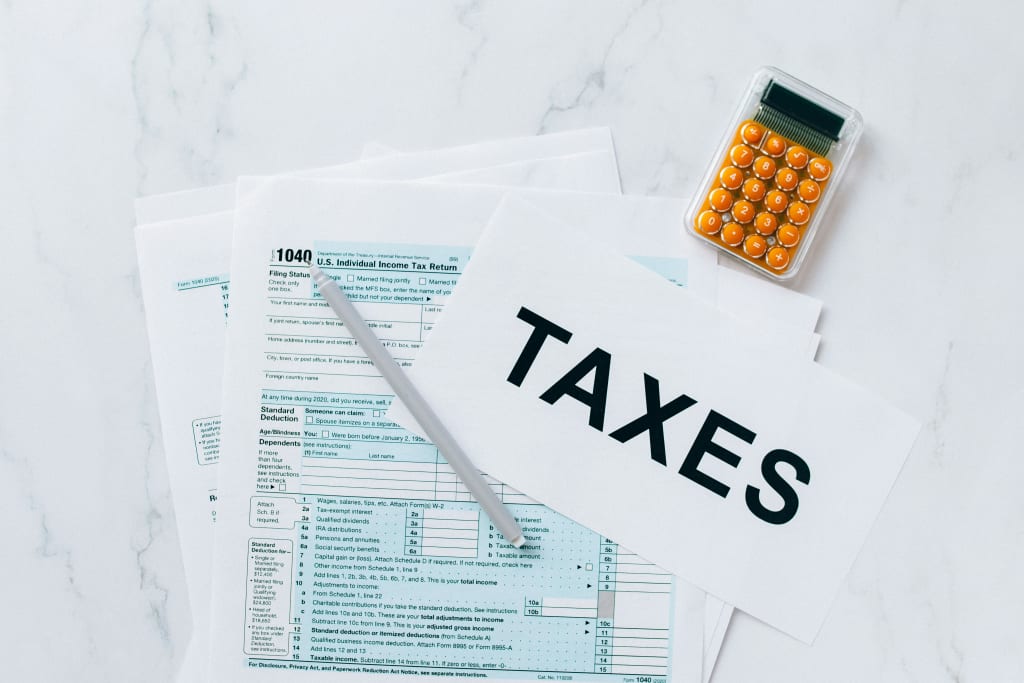
As an entrepreneur, understanding the difference between business and personal taxes is crucial for managing your finances effectively. Many new business owners may assume that taxes are just a single category, but in reality, the distinctions between personal and business taxes can be complex and significant. These differences affect everything from tax rates and deductions to the way income is reported and expenses are managed.
Navigating this terrain can be overwhelming, especially when trying to balance the demands of running a business with the responsibility of paying taxes. However, gaining a clear understanding of how business and personal taxes differ can help entrepreneurs make informed decisions about their business structure, tax planning, and financial management.
This blog aims to break down these differences and offer insight into how business owners can optimize their tax strategy. By recognizing how taxes impact both personal and business income, entrepreneurs can ensure they meet legal obligations while minimizing liabilities.
Personal Taxes: An Overview
Personal taxes are taxes paid on an individual’s income. For entrepreneurs, personal taxes apply to the income they draw from their business, whether through wages, dividends, or other forms of distribution. The IRS taxes personal income based on a progressive system, meaning the more you earn, the higher the rate.
As a business owner, you may file taxes as an individual or as part of a partnership, depending on your business structure. However, the key element of personal taxes is that they apply to earnings from various sources, including your business, investments, and wages.
Experienced accounting and taxation professionals at Delerme CPA mention that personal tax rates vary based on your total taxable income. Entrepreneurs should keep this in mind when planning their income distributions, as the tax rate may change depending on how much they earn from their business and other personal sources.
Business Taxes: A Separate Entity
Business taxes are distinct from personal taxes in that they apply to the income generated by your business. The structure of your business—whether it’s a sole proprietorship, partnership, LLC, or corporation—determines how business taxes are assessed.
Corporations, for example, face a separate business tax rate. The income earned by the corporation is taxed separately from the owners’ personal income as pointed out by accounting and taxation professionals at Delerme CPA. This means that, in certain cases, business taxes can be levied on the business itself, and then the owners pay personal taxes on the income they receive from the business.
On the other hand, pass-through entities like sole proprietorships and LLCs do not pay corporate taxes. Instead, the business income “passes through” to the individual owner’s personal tax return. This distinction is important because the tax treatment can impact your overall tax burden.
Deductions and Write-Offs: Business vs. Personal
Both personal and business taxes allow for certain deductions, but the types of expenses that qualify for deductions differ. Business expenses are typically more extensive and can include items such as office supplies, business travel, equipment, and employee wages.
Personal tax deductions are generally more limited. Common personal tax deductions include mortgage interest, student loan interest, and certain medical expenses. Business owners must ensure they are separating personal expenses from business expenses, as mixing the two can result in complications during tax season.
It’s also essential to track both personal and business expenses carefully. While business deductions can significantly reduce the amount of taxable income for the business, personal deductions affect your individual tax liability. Experienced accounting and taxation professionals at Delerme CPA convey that keeping records for both types of taxes helps avoid errors and potential audits.
Tax Reporting: How Business Income is Handled
For business owners, how income is reported depends on the business structure. Sole proprietors and partnerships report business income on their personal tax returns, typically using forms such as the Schedule C or Schedule K-1. This means business income is taxed as personal income for these entities.
Corporations, however, file separate tax returns, such as the Form 1120 for C-Corporations. The income earned by the business is taxed separately, and shareholders are taxed again on the income they receive from the corporation in the form of dividends or wages.
The way business income is reported also influences the types of tax credits and deductions you can claim. For example, corporations may be eligible for credits unavailable to individuals or sole proprietors, such as certain tax incentives aimed at large-scale business operations.
Self-Employment Taxes: Additional Considerations for Entrepreneurs
In addition to business and personal income taxes, entrepreneurs must also contend with self-employment taxes. This is particularly relevant for sole proprietors, freelancers, and independent contractors. Self-employment taxes cover the Social Security and Medicare taxes that would typically be withheld by an employer.
For self-employed individuals, the tax rate for Social Security and Medicare is 15.3%, which is split between the employer and the employee in a traditional employment setup. As a self-employed entrepreneur, you are responsible for the full amount, though you can deduct half of the self-employment tax on your personal tax return.
Self-employment taxes can significantly impact an entrepreneur’s tax bill as noted by accounting and taxation professionals at Delerme CPA. However, understanding this tax obligation and planning for it can help minimize its effect. Entrepreneurs can set aside funds in advance to cover self-employment taxes, reducing the risk of surprises during tax filing.
Strategies for Minimizing Business and Personal Taxes
To minimize both business and personal taxes, entrepreneurs should implement strategies like tax-efficient planning and proper business structuring. For example, incorporating a business can provide tax benefits, including lower corporate tax rates and the ability to separate personal and business finances.
Another strategy is to take advantage of tax credits and deductions that apply to both personal and business taxes. For instance, business owners may qualify for credits related to research and development or energy-efficient investments. Experienced accounting and taxation professionals at Delerme CPA express that these credits can help reduce both the business’s taxable income and the owner’s personal liability.
About the Creator
Delerme CPA
Delerme CPA is a local Atlanta, GA CPA firm with a strong tradition of excellence in supporting the accounting and tax needs of small businesses and individuals for guaranteed success.
Keep reading
More stories from Delerme CPA and writers in Education and other communities.
Choosing the Right CPA Firm: Lessons from Delerme CPA Reviews.
In today’s fast-paced financial landscape, choosing the right Certified Public Accountant (CPA) firm is more than just a box to check—it’s a decision that can profoundly affect your business’s success or your personal financial stability. Whether you’re a small business owner navigating complex tax codes, a startup needing financial forecasting, or an individual seeking IRS representation, the CPA you choose becomes a strategic partner.
By Delerme CPA10 months ago in Education
Will Your Medical Billing and Coding School Actually Prepare You for the CPC or CBCS Exam?
Many students enroll in a medical billing and coding schools with one clear goal “to become eligible for and pass the CPC or CBCS certification exam”. But does every program actually prepare you for those exams, or will you need separate, costly exam prep later? Not all schools structure their curriculum around these exam blueprints. Some heavily focus on general theory instead of in-depth training on critical areas.
By Meaghan Howe6 days ago in Education
When Is Ramadan 2026, and How Is the Moon Sighted?
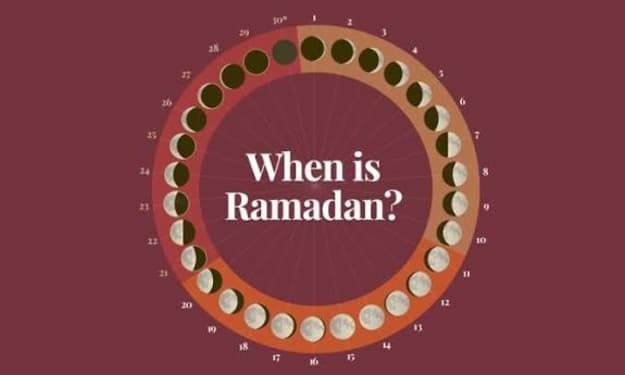
Ramadan, the holiest month in Islam, is observed by more than a billion Muslims worldwide through fasting, prayer, and reflection. Each year, its start date shifts because it follows the Islamic lunar calendar rather than the Gregorian calendar. This often leads to questions about when Ramadan will begin and how its arrival is determined. In 2026, Ramadan is expected to begin in the evening of Tuesday, February 17, and end at sunset on Wednesday, March 18, depending on the sighting of the moon. As with every Islamic month, the precise start date will be confirmed only after the new crescent moon is observed. Why Ramadan’s Date Changes Every Year The Islamic calendar is based on lunar cycles, with each month beginning when the new crescent moon (hilal) is sighted. A lunar year is about 354 days long — roughly 11 days shorter than the solar year used in the Gregorian calendar. As a result, Ramadan moves earlier each year, cycling through all seasons over a 33-year period. This shifting calendar means Muslims sometimes fast during long summer days and, in other years, during shorter winter days. The movement of Ramadan across the seasons is seen as a reminder of the spiritual nature of fasting rather than its physical difficulty. How the Moon Is Sighted Moon sighting is a deeply rooted religious and cultural practice. Traditionally, Muslim scholars and local committees attempt to observe the new crescent moon shortly after sunset on the 29th day of the preceding month, Sha’ban. If the moon is seen, Ramadan begins the following day. If it is not seen, Sha’ban completes 30 days and Ramadan starts one day later. In many countries, official moon sighting committees gather at specific observation points, often using telescopes and modern optical equipment alongside traditional naked-eye observation. Witnesses who claim to see the crescent must meet certain conditions, including reliability and clarity of vision, before their testimony is accepted. Weather plays a major role in moon sighting. Cloud cover, pollution, or haze can make it impossible to see the crescent even if it is astronomically present. This is why different countries sometimes begin Ramadan on different days. Astronomy vs. Physical Sighting There is an ongoing discussion in the Muslim world about whether Ramadan should be determined solely by astronomical calculations or by physical moon sighting. Some countries and Islamic organizations use scientific data to predict when the moon can be seen, while others insist on direct visual confirmation in accordance with traditional teachings. Supporters of astronomical calculation argue that modern science allows highly accurate predictions and promotes unity by avoiding confusion. Others believe that physically seeing the moon is a religious requirement and part of the spiritual significance of Ramadan’s arrival. As a result, Muslims in different regions — and sometimes even within the same country — may start fasting on different days depending on which method they follow. Global Differences in Moon Sighting Countries in the Middle East, South Asia, and Africa often rely on national moon sighting authorities. In contrast, Muslim communities in Europe and North America may follow local councils or the announcements of major Islamic institutions abroad. For example, some communities wait for sightings from Saudi Arabia or their country of origin, while others rely on local sightings or scientific visibility charts. This diversity reflects the global nature of Islam and the different legal and cultural traditions within it. Spiritual Meaning of Ramadan Beyond its calendar mechanics, Ramadan is a time of intense spiritual focus. Muslims fast from dawn until sunset, refraining from food, drink, and other physical needs. The fast is meant to promote self-discipline, empathy for the poor, and closeness to God. Daily prayers increase, charity is emphasized, and families gather for the evening meal known as iftar. The month also includes Laylat al-Qadr, the “Night of Power,” believed to be the night when the first verses of the Quran were revealed. Preparing for Ramadan 2026 As Ramadan 2026 approaches in February, Muslim families and communities will begin preparations well in advance. Mosques plan prayer schedules, charities organize food drives, and individuals adjust their routines for fasting and worship. Because the start date depends on moon sighting, official announcements are typically made the night before Ramadan begins. Until then, the expected date remains provisional. Conclusion Ramadan 2026 is expected to begin around February 17, but its true start will be confirmed by the sighting of the new moon. This centuries-old practice continues to unite faith, tradition, and astronomy in a unique way. Whether determined by telescopes or by the naked eye, the arrival of Ramadan marks a sacred time of reflection, discipline, and spiritual renewal for Muslims around the world.
By Fiaz Ahmed 2 days ago in Education



Comments
There are no comments for this story
Be the first to respond and start the conversation.