
The Digital Dining Revolution Inside France $125 Billion Foodservice Surge
Foodservice Market
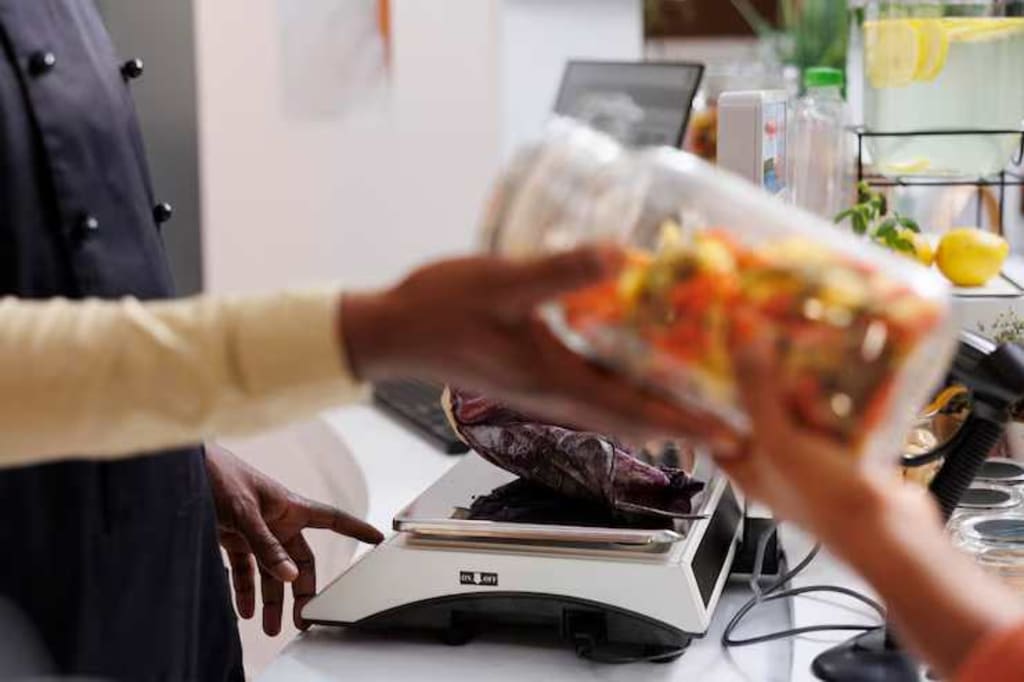
The era of “one-size-fits-all” dining experiences is officially over. Strolling through the streets of Paris, Lyon, or Marseille in 2026 or scrolling through a food delivery app on your phone it’s evident that the modern French diner is one of the most discerning in the world. I call them “Gastronomy Strategists” consumers who balance culinary curiosity with health-conscious decision-making, valuing provenance, nutrition, and convenience over simple indulgence.
This evolution is driving a market projected to reach $125.5 billion by 2033, up from $91.3 billion in 2024, with a healthy CAGR of 3.6%. To understand how this growth unfolds, we need to explore the three “invisible forces” reshaping France foodservice landscape: the digital-first dining model, the rise of health-conscious and sustainable consumption, and the relentless drive for culinary innovation.
1. Digital Ordering: The New Dining Table
The single most transformative trend in 2026 is the digitalization of foodservice. From boutique bistros in Nice to large chain restaurants in Lyon, the dining journey increasingly begins online. Platforms such as Uber Eats, Deliveroo, and French homegrown apps like Frichti and FoodChéri are no longer auxiliary they are integral to restaurant strategy.
French consumers now expect seamless online ordering, real-time tracking, and customizable meal options. A modern diner doesn’t just want to eat they want the experience to be convenient, transparent, and tailored. Smart algorithms predict preferred meals, suggest healthy alternatives, and even offer wine pairings based on prior orders.
Restaurants are responding by integrating “digital kitchens” or cloud kitchens, designed exclusively for delivery and online consumption. By removing physical constraints, operators can optimize menus, reduce waste, and reach a broader customer base. This shift has propelled digital orders from a convenience feature to a primary revenue engine, contributing significantly to the market’s projected 3.6% annual growth.
2. Health, Well-Being, and the Rise of Mindful Dining
France, historically celebrated for indulgent gastronomy, is undergoing a wellness-driven transformation. Modern diners are increasingly focused on nutritional value, calorie-conscious meals, and functional foods that support long-term health.
Plant-based options, low-sugar pastries, and high-protein alternatives are no longer niche they are mainstream. Chains like Cojean and Pokawa have capitalized on this trend, offering bowls, wraps, and smoothies that combine taste, convenience, and nutritional integrity. Even traditional brasseries are updating their menus to include locally sourced, organic ingredients, responding to both consumer preference and regulatory guidance.
In 2026, health-conscious dining is more than a trend—it is a competitive differentiator. Restaurants that can transparently communicate calorie counts, ingredient sourcing, and dietary suitability are winning the loyalty of a demographic that blends culinary passion with wellness awareness.
3. Sustainability: Ethical Consumption as a Market Driver
Sustainability has emerged as a defining criterion for French diners. The modern consumer evaluates environmental impact, packaging, and sourcing practices before committing to a meal. Ethical consumption is particularly influential in urban areas, where awareness of climate impact and responsible supply chains is high.
Restaurants and foodservice operators are responding with initiatives such as zero-waste kitchens, biodegradable packaging, and farm-to-table sourcing. Even larger chains are redesigning menus to reduce food miles, optimize seasonal ingredients, and minimize carbon footprints.
The regulatory landscape in France is also pushing sustainability forward. Incentives for reducing food waste, promoting local agriculture, and implementing eco-friendly packaging have created a market where ethical operations translate directly into brand value. This shift is particularly important for attracting younger generations, who are not only willing to pay a premium for sustainable options but also to advocate for brands aligned with their values.
4. Culinary Innovation: Meeting Evolving Tastes
The third force driving the market is innovation in cuisine and service formats. French diners, once loyal to classic recipes, are increasingly adventurous. Experimental fusion dishes, international flavors, and limited-time culinary experiences are now standard in premium establishments.
Restaurants are leveraging technology-driven menu development, using data analytics and customer feedback to optimize offerings in real time. The integration of AI-powered recommendation engines, for instance, allows diners to explore new dishes tailored to their taste preferences, dietary needs, and even previous orders.
Innovation extends beyond food itself. Experiential dining, such as interactive chef demonstrations, themed pop-ups, and augmented-reality menus, is creating a sense of exclusivity and engagement that drives repeat business. In 2026, culinary innovation is no longer optional—it is a key pillar of differentiation in a highly competitive market.
5. Diversified Channels: Beyond Traditional Restaurants
While traditional dining remains core, France’s foodservice market is broadening through multiple consumption channels. Delivery, take-away, subscription meal kits, and corporate catering are all expanding rapidly.
Cloud kitchens, which operate without dine-in facilities, have emerged as high-growth players, allowing restaurants to scale rapidly while reducing overhead. Similarly, grocery and specialty stores are partnering with meal-prep services to offer ready-to-eat or ready-to-cook solutions that meet modern convenience demands.
This channel diversification is also increasing accessibility to niche offerings, such as vegan, allergen-free, or regionally inspired meals, enabling operators to target multiple demographics simultaneously. The result is a market that is not only growing in size but also in depth, variety, and sophistication
6. Demographics: Urban Youth and Affluent Professionals
Two demographic segments are shaping the trajectory of France’s foodservice sector:
Urban Millennials and Gen Z: Tech-savvy and socially conscious, these diners drive digital adoption, sustainability demand, and interest in experiential and niche culinary offerings. Their expectations are high—they demand convenience, quality, and a story behind every meal.
Affluent Professionals: Busy urbanites with disposable income are fueling the growth of premium delivery, meal subscriptions, and wellness-focused dining. For this group, convenience and nutrition justify higher spending, particularly in Tier-1 cities like Paris, Lyon, and Marseille.
This demographic shift has prompted operators to rethink menu pricing, delivery logistics, and loyalty programs, ensuring that the market grows not only in revenue but in customer engagement and retention.
Conclusion: The Defensible Foodservice Advantage
Looking ahead to 2033, France’s foodservice market is no longer simply about feeding diners it is about crafting personalized, sustainable, and health-conscious experiences. Restaurants and operators that thrive will be those who combine digital convenience, nutritional transparency, ethical sourcing, and culinary creativity.
Much like luxury brands in consumer goods, success in foodservice will increasingly depend on evidence-backed quality, trust, and innovation, rather than brand legacy alone. In 2026, as diners become “Gastronomy Strategists,” the market demonstrates that in foodservice, technology, ethics, and creativity are the most valuable ingredients of all.
About the Creator
Keep reading
More stories from Neeraj kumar and writers in Education and other communities.
The Seed Renaissance: Inside France USD 1.91 Billion Agritech Surge
The era of “one-size-fits-all” crop solutions is officially over. Walking through the agricultural research centers of Île-de-France or browsing webinars on French agritech platforms in 2026, it becomes clear that the modern French farmer is now one of the most discerning in the world. I call them “Seed Strategists” growers who can evaluate genetic traits, sustainability metrics, and yield predictions with the precision of a biotech analyst, valuing data-backed results over tradition alone.
By Neeraj kumarabout 13 hours ago in Education
Smart Investor’s Guide to Maximizing Rental Income from Property Purchases
Buying property for rental income can build steady wealth over time. But not every home or building will produce strong returns. Some properties look great on the surface but fail to attract good tenants or generate enough cash flow. That is why smart buyers take time to study numbers, location, and demand before making an offer. A careful review process protects your money and improves long-term results. The key is understanding how to measure rental property investment analysis before you commit.
By Ruvim Khemchana day ago in Education




Comments
There are no comments for this story
Be the first to respond and start the conversation.