
The Great Wealth Shift Accelerates
This is not random volatility. It is a structural reset, shifting value away from leveraged paper markets and toward real, tangible metal.
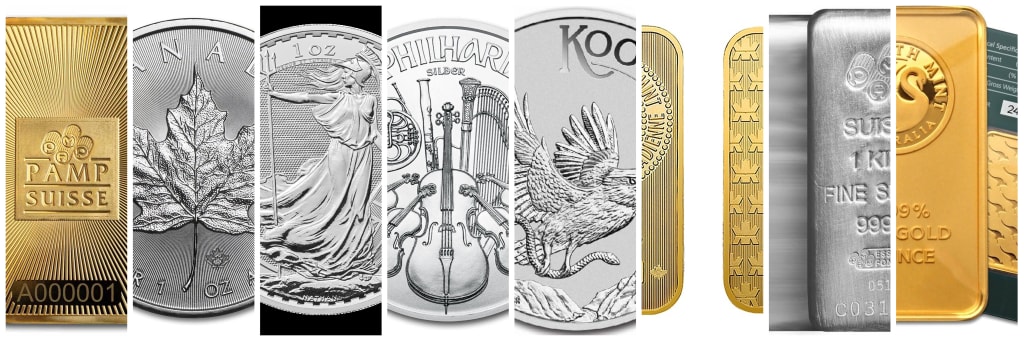
The Great Wealth Shift Accelerates
The precious metals market has entered a period of extreme turbulence—and for prepared investors, that turbulence is opening the door to a historic transfer of wealth. Silver surges more than 60% in weeks, collapses 20% overnight. Gold demand smashes all-time records. Meanwhile, powerful players scramble to secure physical supply at discounted prices. This is not random volatility. It is a structural reset, shifting value away from leveraged paper markets and toward real, tangible metal.
As volatility explodes, arbitrage widens, and even crypto giants begin hoarding bullion, the message becomes increasingly clear: physical ownership is back at the center of global wealth preservation.
Volatility Ignites: Silver’s Shockwave and the East–West Divide
January lit the fuse. Silver exploded more than 60% during the month, briefly pushing into triple-digit territory and igniting speculation of a major breakout. Then came the reversal. On January 30, Western markets abruptly slammed prices below $100 USD per ounce, erasing nearly $20 in a matter of hours—a brutal decline of roughly 17%. Gold followed with a near-9% drop, while platinum plunged close to 17%.
Chaos dominated Western pricing screens—but the global picture tells a very different story.
In China, spot silver prices remain firmly above $125 USD per ounce, even after a modest dip, representing a premium of roughly 28% at the time of writing. This is not a pricing anomaly—it is a flashing arbitrage signal. At spreads this wide, physical silver inevitably flows East, draining Western inventories and tightening supply where paper contracts dominate price discovery.
That drain is already visible. COMEX silver inventories have been falling sharply, declining faster than gold stocks in recent months. Since 2020, silver stockpiles have dropped at an accelerating pace into 2026, while gold—though also declining—has shown comparatively steadier outflows. The signal is unmistakable: real-world demand for physical silver is overwhelming a paper market that sells the same ounce hundreds of times over.
Adding further intrigue, the London Metal Exchange announced a trading delay due to a “technical issue” just hours before the sharp price collapse. Coincidence or timing? In markets where price control and liquidity management matter deeply, such moments tend to invite scrutiny. Whether defensive or deliberate, the effect is the same: price suppression amid intensifying physical demand.
Record Gold Demand Fans the Flames
Zooming out, gold’s fundamentals are stronger than at any point in modern history. Total global gold demand surpassed 5,000 tonnes in 2025 for the first time ever—a landmark achievement driven by relentless buying across ETFs, bars, coins, central banks, corporations, and retail investors.
For over a decade, annual demand hovered between 4,000 and 4,500 tonnes. Then it surged decisively higher, crossing the 5,000-tonne threshold while annual transaction value exceeded $550 billion amid record prices.
What makes this surge remarkable is its timing. Gold prices were already soaring—posting massive gains throughout 2025—then surged another 25% in January 2026 alone, marking one of the strongest monthly advances in more than 40 years. New all-time highs became routine.
And yet, just as demand peaked, aggressive sell-offs struck. This is not weakness—it is opportunity. When record demand persists at record prices, sudden price slams are far more consistent with strategic accumulation than organic selling. Structural buyers are clearly absorbing supply, while short-term traders are shaken out.
The logic is unavoidable. If demand reached historic highs during elevated prices, why would it suddenly vanish after engineered pullbacks that erase trillions in paper value? These moves resemble classic accumulation phases: shake out weak hands, reload inventory, and prepare for the next advance. The wealth transfer accelerates—from the fearful to the prepared.
Crypto Meets Gold: Tether’s Bullion Bet Signals a Shift
Then comes the digital crossover.
Tether, issuer of the world’s largest stablecoin (USDT), now reportedly holds roughly 140 tonnes of physical gold—placing it among the largest private holders outside governments and major ETFs. At current prices, that hoard approaches $24 billion USD. The accumulation pace? An estimated 1–2 tonnes per week.
Why would a crypto giant rooted in digital finance aggressively accumulate ancient metal?
The answer is trust.
In an era of mounting fiat fragility, physical gold represents credibility no algorithm can replicate. With gold prices rising sharply over the past year, Tether’s holdings have surged in value—reinforcing the logic of pairing digital assets with tangible reserves. It would be no surprise if these purchases are occurring during Western price dips, while Eastern markets maintain strong premiums.
This is not marketing hype—it is convergence. Crypto infrastructure anchoring itself to physical gold signals a broader realization: metals are not obsolete assets. They are foundational.
The Transfer Is Underway
The storm in precious metals is not fading—it is intensifying. Extreme volatility is the mechanism through which wealth shifts hands. Silver’s arbitrage gaps, gold’s historic demand surge, and institutional accumulation all point in the same direction.
Physical ownership matters.
Liquidity illusions are breaking.
Global capital is repositioning.
The East is already moving. The West is just beginning to notice.
Those who prepare early stand to benefit most. The next phase is not about speculation—it is about positioning. The real bull market is not over.
About the Creator
Keep reading
More stories from Lakhwinder Singh and writers in Education and other communities.
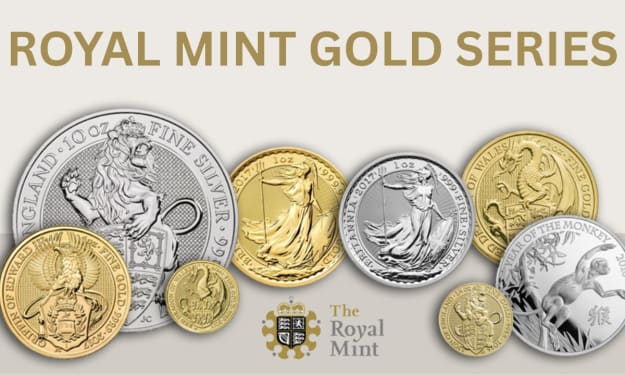
Why Royal Mint Gold Series Attract Collectors and Investors
Why Royal Mint Gold Series Attract Collectors and Investors The Royal Mint Gold Series holds a unique position in the global precious metals market. Straddling the line between investment-grade bullion and collectible numismatic art, these gold coins consistently appeal to both serious investors and passionate collectors. Backed by centuries of British minting heritage, strong global recognition, and limited-mintage designs, Royal Mint gold coins offer a blend of trust, beauty, and long-term value that few other mint programs can match.
By Lakhwinder Singh15 days ago in Education
Parts of my Library Planner
This one is a long one, but I hope it helps some librarians (or anyone). Once you’ve purchased your planner materials, you need something to go inside it. I honestly feel that what goes in your planner is personal and needs to be tailored to what you’ll use. While you can find many teacher planners, when I searched for school librarian planners, I found only four. Although one is only 12.50, you would have to print and assemble it yourself. A second one is almost thirty dollars and also has to be printed and assembled yourself. A third is mass produced through Amazon and doesn’t have everything I would want. Finally there’s the Demco planner. While I agree that it looks like a fantastic purchase, I just cannot justify spending that much money on a planner that I’m only going to use for one year. For all the librarians that do purchase it, I hope you enjoy it. I might invest in it one year just to see what the fuss is about. For now, I’ll continue to use the one I’ve been developing and customizing for the last two years.
By Reb Kreyling3 days ago in Education
Winning Tactics for Building Wealth in Real Estate Investment
Before making any real estate purchase, the most critical step is thorough research. Understanding the local market is more than just browsing listings—it's about identifying economic drivers, population growth, rental demand, and future development plans. By analyzing these trends, investors can identify the areas with the greatest potential for long-term growth and profitability. It’s essential to know which property types are in demand and which tenants or buyers are actively looking for in that specific region.
By Michael O'Sullivan Hampton7 days ago in Education


Comments
There are no comments for this story
Be the first to respond and start the conversation.