
The New Face of China: Why My Recent Trip to Shanghai Revealed a $9 Billion Aesthetic Shift
The Forces Behind China’s Massive Cosmetic Growth Over the Next Decade
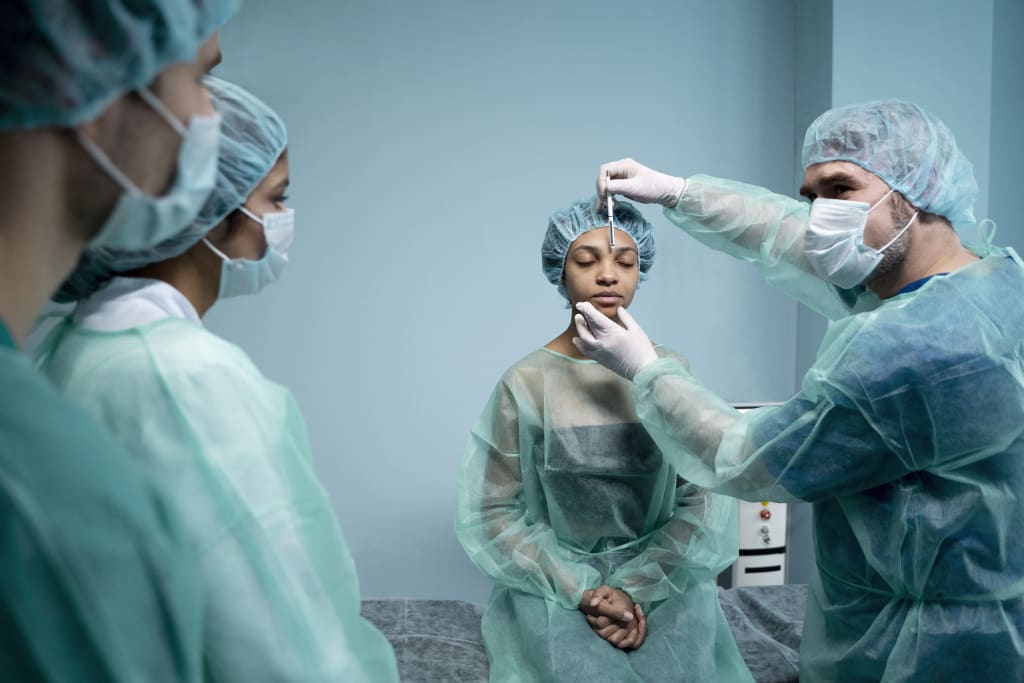
Walking through the Jing'an District in Shanghai today feels different than it did even three years ago. It isn’t just the neon lights or the futuristic architecture; it’s the faces. There is a subtle, polished "glow" that seems to have become the unofficial uniform of the city’s young professionals. We aren't talking about the dramatic, "done" looks of the early 2000s. We are talking about the era of the "tweak-ment."
The data tells a staggering story: China cosmetic surgery market is currently exploding toward a USD 9 billion valuation by 2033. But if you spend ten minutes on an app like Xiaohongshu, you realize this isn't about vanity it’s about "Beauty Value" as a form of social and professional currency. In a hyper-competitive job market, looking "refreshed" isn't a luxury; for many, it's a strategic investment.
The Rise of "Light" Beauty
The biggest change I’ve noticed is the death of the invasive surgery. Nobody wants to spend three weeks in bandages anymore. Instead, the market has pivoted to what locals call Qing Yimei, or "Light Plastic Surgery." This is the world of lunchtime Botox, dermal fillers, and high-tech lasers. It’s fast, it’s relatively affordable, and the results are so subtle your boss probably thinks you just had a really good weekend of sleep.
This shift toward non-invasive procedures now makes up over 80% of the industry’s growth. It has completely lowered the barrier to entry. I’ve spoken with 22-year-old graduates who view a preventative "baby botox" session with the same casualness as getting a manicure. It’s a maintenance routine, not a medical event.
The Digital Mirror
You can’t talk about this $9 billion surge without talking about the "Digital Diary." In the West, we might hide the fact that we’ve had work done. In China, transparency is the new trend. Users document every step of their recovery on social media, sharing tips on which clinics have the best AI-mapping technology and which doctors have the "most natural" hand.
This transparency has created a level of trust that simply didn't exist five years ago. When you can see 500 real-world results of a procedure on your phone before you even book a consultation, the "fear factor" vanishes. It has turned the industry into a community-driven marketplace.
A New Standard of Safety
Perhaps the most welcoming change in 2026 is the regulatory cleanup. For a long time, the industry felt like the Wild West, with unlicensed "black clinics" operating in the shadows. But the recent government crackdown has changed the game. Today, there’s a massive emphasis on "traceability." Every injectable comes with a code you can scan to verify its origin. This professionalization is what will ultimately push the market over that $9 billion finish line. It’s moving away from the "back alley" and into the "medical grade."
What’s Next?
As we look toward the next decade, the "face" of China will continue to evolve, but it’s becoming more about preservation than transformation. We are seeing more men enter the space, seeking out "career-enhancing" procedures to stay competitive, and a massive surge in the "Silver Economy" where anti-aging is treated as a science of longevity.
Whether you agree with the ethics of it or not, the "Beauty Economy" is here to stay. It’s a $9 billion mirror reflecting a society that is constantly perfecting itself one "tweak" at a time.
About the Creator
Keep reading
More stories from Neeraj kumar and writers in Education and other communities.
The Olfactory Revolution Inside China USD 9,610.8 Million Fragrance Market (2026–2034)
The Death of the "Signature Scent": Welcome to Scent Wardrobing By early 2026, the traditional concept of having one "signature scent" has effectively collapsed among China's younger consumers. Today’s Gen Z and Millennial buyers treat fragrance like an accessory something to be rotated based on mood, outfit, or weather.
By Neeraj kumar4 days ago in Education
Humans No Longer Make Decisions without AI
Artificial intelligence has quietly moved from a helpful tool to something far more influential. What started as software that corrected spelling, recommended movies, or answered trivia questions has evolved into systems people now consult for real-life decisions — from career choices and medical questions to relationships, finances, and even moral dilemmas.
By Anthony Bahamonde7 days ago in Education


Comments
There are no comments for this story
Be the first to respond and start the conversation.