
The Remarkable Legacy of Bessie Blount Griffin
A Story of Courage, Ingenuity, and Unshakable Purpose
In 1914, in the quiet community of Hickory, Chesapeake, a young girl named Bessie Blount began a journey that would eventually reshape the future of medical independence and forensic science. Born into a world where opportunities for Black women were exceedingly limited, she refused to let society dictate her path. Instead, she forged her own—brick by brick, challenge by challenge, invention by invention.
From childhood, Bessie displayed a fierce determination to learn. When she was once reprimanded in school for being left‑handed, she did not pout or back down. Instead, she learned to write with her mouth and her foot—an early sign of the creativity that later defined her legacy. That ability to adapt, to re‑imagine what others considered impossible, would later become the foundation of her groundbreaking work.
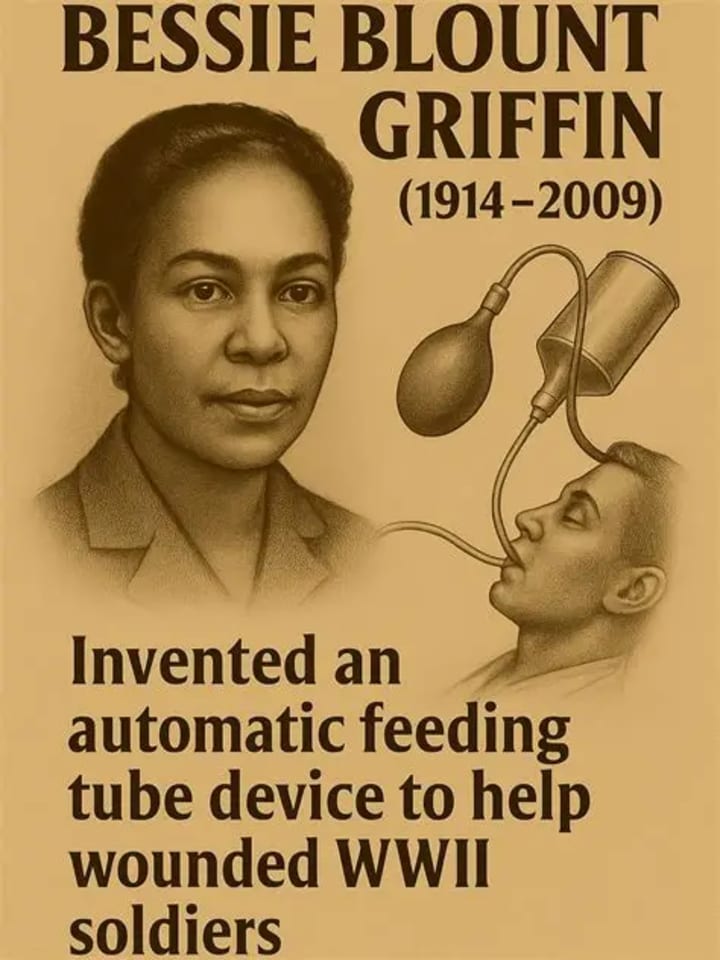
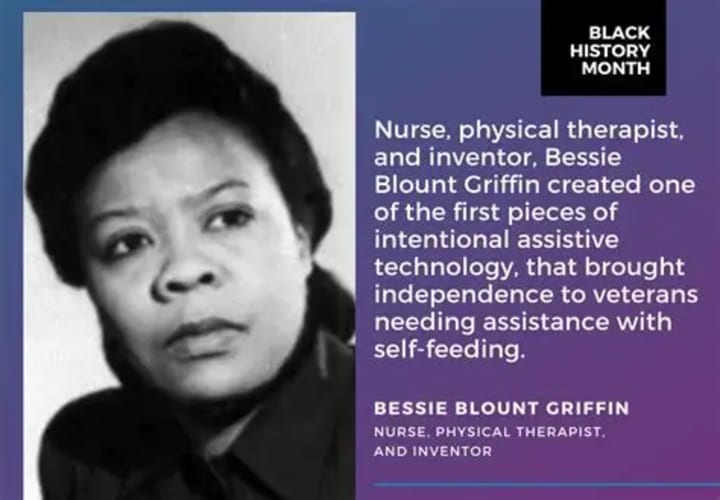
As she reached adulthood, Bessie pursued studies in nursing and physical therapy, eventually working with wounded veterans during and after World War II. At the veterans’ hospital in Chicago, she met men whose lives had been forever reshaped by the war—amputees, paralyzed soldiers, men who had lost the ability to feed themselves or perform the simplest tasks. Many felt that their independence had been stripped away forever.
But Bessie Blount Griffin saw something else. She saw possibility.
While others accepted the limitations, she refused to. Hour after hour, she watched her patients struggle to eat on their own. For many, mealtime had become a painful reminder that life would never be the same. Bessie decided that if no existing device could restore their dignity, she would create one.
And so, she built what she called the “portable receptacle support,” a feeding device composed of a simple tube leading from a food container, held in place by a brace around the patient’s neck. Through gentle suction or a bite‑activated trigger, patients who had no control over their limbs could feed themselves without any assistance. In a world before modern adaptive equipment, this invention was extraordinary—revolutionary even.
It was not flashy. It wasn’t made to amaze engineers or win applause. It was made to give wounded veterans something far more valuable: independence. For Bessie, independence was not merely physical—it was emotional, spiritual, human.
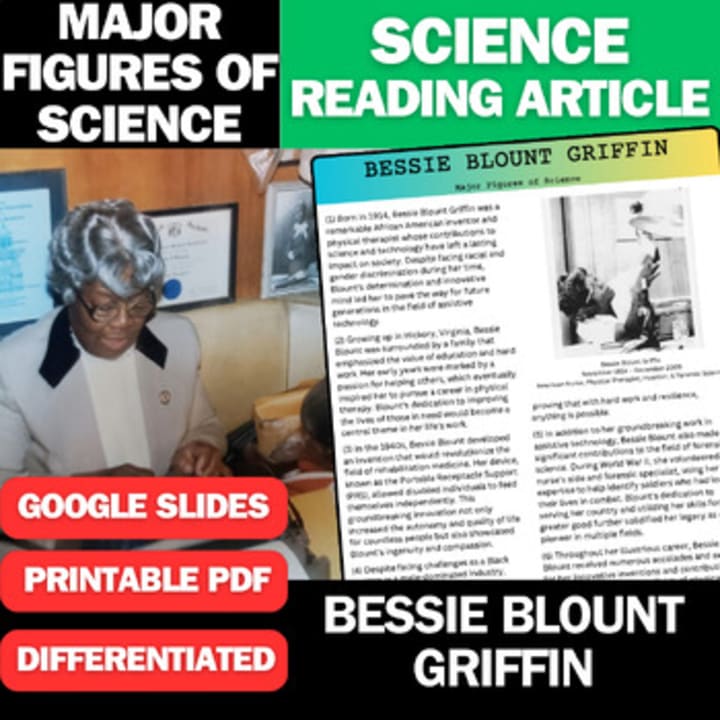
Yet her contributions did not stop there.
After years of medical innovation, Bessie made an unexpected career shift. She traveled to London and became the first African American woman to work at Scotland Yard, where she used her analytical mind and steady hands to perform forensic handwriting analysis. She helped solve crimes, decode documents, and bring clarity to cases others deemed unsolvable. Her talent was so remarkable that even after she left Scotland Yard, American police departments sought her expertise for decades.
Throughout her life, Bessie Blount Griffin remained guided by a simple but profound belief:
“We all have a responsibility to help one another. If I can do something to make life better, I must do it.”
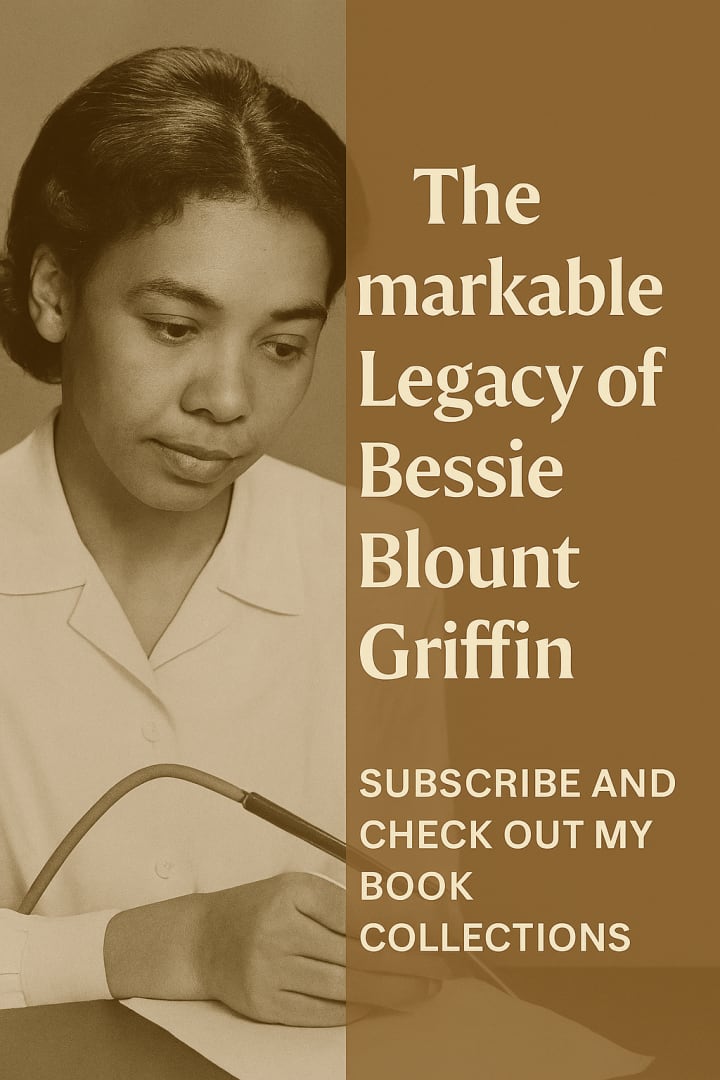
Her work was never about fame. She did not seek glory, wealth, or recognition. Many of her inventions were donated freely to the veteran community and disability organizations. But her impact echoes through every hospital, every rehabilitation center, every adaptive tool created for those in need.
Bessie passed away in 2009, but her legacy continues to inspire inventors, healers, caregivers, and dreamers across the world. She proved that brilliance is not defined by background, gender, or circumstance—only by the courage to help others and the imagination to change what everyone else accepts as permanent.
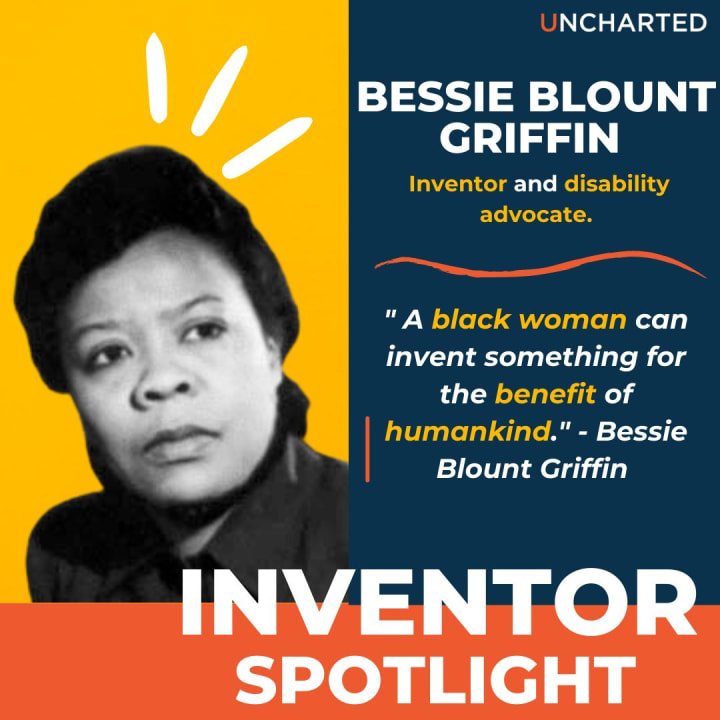
And today, as her story is shared again and again, new generations discover the power of perseverance, creativity, and compassion.
If you enjoyed this inspiring story, make sure to subscribe for more powerful history spotlights, untold stories, and motivational content. And don’t forget to check out my full book collections for deeper journeys into innovation, resilience, and extraordinary lives.
About the Creator
TREYTON SCOTT
Top 101 Black Inventors & African American’s Best Invention Ideas that Changed The World. This post lists the top 101 black inventors and African Americans’ best invention ideas that changed the world. Despite racial prejudice.
Keep reading
More stories from TREYTON SCOTT and writers in Education and other communities.
How Billy Blanks Revolutionized Modern Fitness
Few fitness movements have left as lasting an impact as Tae Bo, the explosive, music‑driven workout program developed by martial artist and trainer Billy Blanks. First introduced in the late 1970s, Tae Bo spent years quietly evolving before ultimately exploding into mainstream culture during the 1990s. Its rise wasn’t accidental—Tae Bo unified the discipline of martial arts with the dynamic rhythm of aerobics, creating a high‑intensity training system that reshaped what people expected from group fitness.
By TREYTON SCOTTa day ago in Education
📢 Raise Your Voice Thread: 02/19/2026
Our “Raise Your Voice Threads” are hosted most alternating Thursdays at 12PM ET to offer creators more avenues to uncover exceptional stories on Vocal. As we are continuously searching for fresh creators and inspiring stories, this thread provides an opportunity to exchange and discuss the stories that have moved and motivated us on Vocal.
By Raise Your Voice by Vocal2 days ago in Resources



Comments
There are no comments for this story
Be the first to respond and start the conversation.