
The Timeless Allure of Jazz: A Journey Through History and Its Modern Resurgence
Jazz Bands

Jazz music, often regarded as America's greatest art form, has a rich and intricate history that captivates the hearts and minds of enthusiasts and event planners alike. Emerging from the vibrant cultural tapestry of New Orleans in the early 20th century, jazz has continuously evolved through various phases while maintaining its core essence.
The roots of jazz can be traced back to African American musical traditions, which incorporated elements of blues, ragtime, and spirituals. Musicians like Louis Armstrong and Duke Ellington were pivotal in shaping early jazz, introducing improvisational techniques that became the foundation of the genre. The 1920s, often referred to as the Jazz Age, marked a significant moment in history as the music exploded in popularity, leading to the emergence of iconic venues like the Cotton Club in New York City. This era saw jazz bands gaining national recognition, and consequently, the genre began to profoundly influence popular culture.
By the mid-20th century, jazz continued to evolve as artists explored new forms and styles such as bebop, cool jazz, and hard bop. Figures like Charlie Parker, Miles Davis, and John Coltrane pushed the boundaries of jazz, introducing complex harmonics, rhythms, and improvisational techniques. The genre became a voice for social change, with jazz musicians often at the forefront of the Civil Rights Movement, using their art to advocate for equality and justice.
Despite undergoing numerous transformations, jazz has never lost its essence of spontaneity and emotional expression. Today, it remains a beloved genre, cherished not only for its historical significance but also for its contemporary relevance. As we navigate the complexities of the modern world, jazz finds new life; artists are now fusing traditional elements with genres like hip-hop, electronic music, and pop, appealing to a broader audience.
The rise of streaming platforms and social media has also contributed to the resurgence of jazz. Many young musicians are utilizing these tools to share their work, reaching fans worldwide and attracting new listeners to the genre. Events like the New Orleans Jazz & Heritage Festival and the Monterey Jazz Festival continue to draw large crowds, celebrating both legendary figures and innovative newcomers. Such gatherings highlight jazz not just as a genre but as a community—where people from all walks of life come together to share the magic of music.
For event planners, jazz offers a unique opportunity to create memorable experiences. Whether for a sophisticated gala, an intimate gathering, or an open-air festival, incorporating jazz into an event can significantly enhance the atmosphere. Hiring a jazz band or featuring jazz performances can set the tone for elegant dinner parties or lively celebrations, immersing guests in a rich musical heritage while catering to the modern sensibilities of a diverse audience.
In conclusion, the journey of jazz from its roots in New Orleans to its current status as a global phenomenon is a testament to its enduring appeal. For jazz enthusiasts and event planners alike, the genre represents not only a vibrant history but also a living, breathing art form that continues to inspire and connect people. Embracing jazz today means celebrating a legacy that resonates, proving that while trends may come and go, the passion and creativity within jazz remain timeless.
About the Creator
Keep reading
More stories from Bill Hardy and writers in Education and other communities.
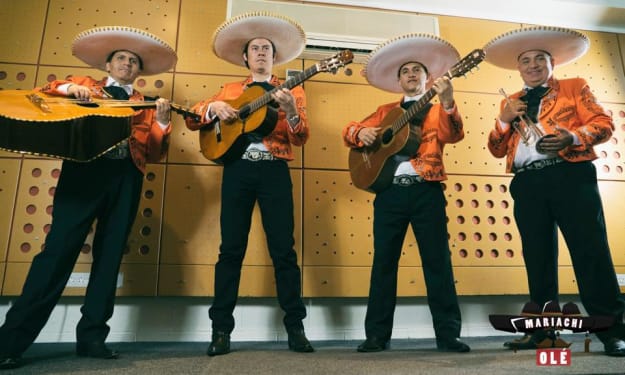
How to Find and Pick a Mexican Mariachi Band for Any Occasion
Are you looking for the perfect way to make a special event more enjoyable? Hiring a Mexican Mariachi band is a great way to bring your guests together and create an unforgettable experience! Find out how to hire a Mariachi band and make your celebration or event go exactly as planned.
By Bill Hardy3 years ago in Education
Could the Universe Be a Simulation? Exploring the Science and Philosophy Behind the Simulation Hypothesis
What Is the Simulation Hypothesis? The simulation hypothesis proposes that reality as we experience it is an artificial simulation, similar in principle to a highly advanced virtual reality. According to this idea, an advanced civilization — possibly in another universe — could possess computational power vast enough to simulate entire worlds populated with conscious beings.
By shahkar jalal4 days ago in Education


Comments
There are no comments for this story
Be the first to respond and start the conversation.