
The Vegetarian Path: Hindu Wisdom in Modern Times
Vegetarian Diet of Hindu Wisdom: Science, Not Myth

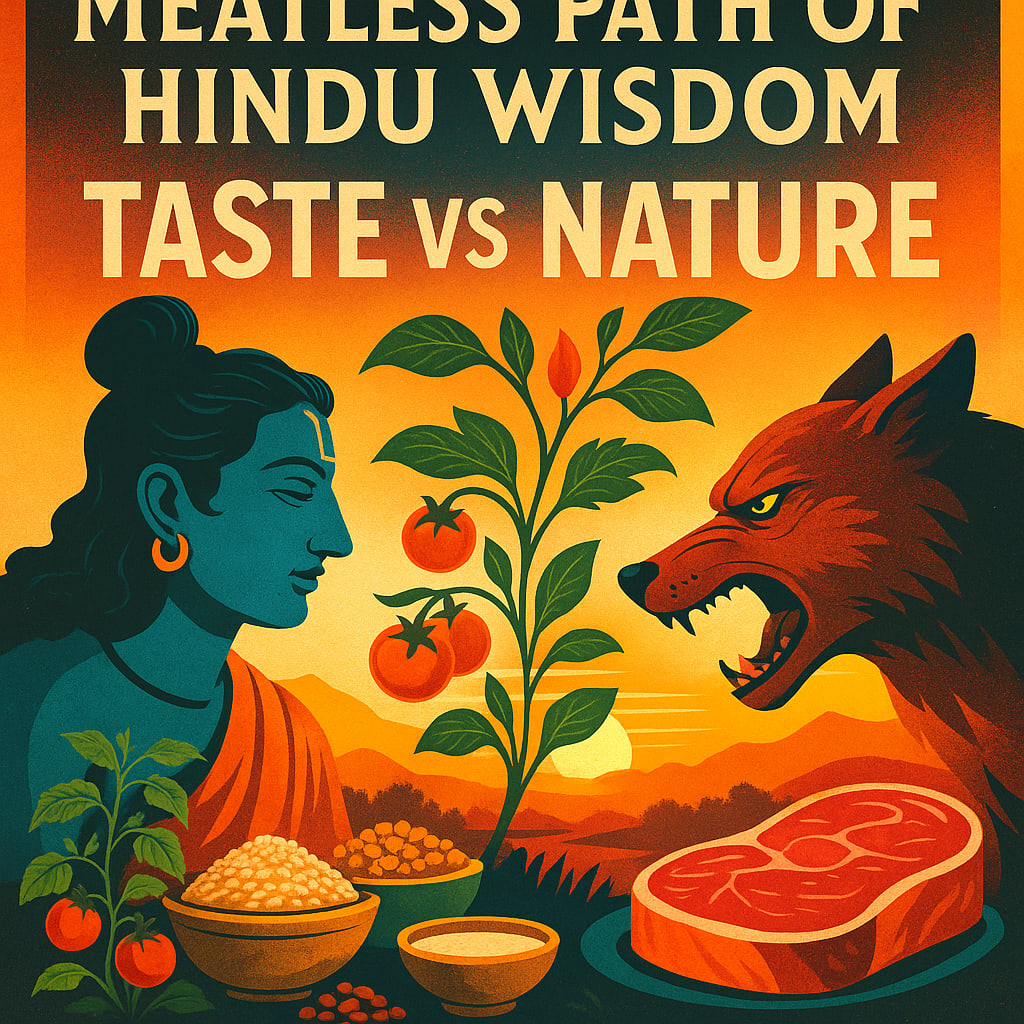
Food as a Sacred Bond
In Hindu philosophy, food transcends mere nourishment—it’s a sacred covenant between body, earth, and the divine. For millennia, vegetarianism has been a cornerstone of this tradition, rooted in the principle of ahimsa, or non-violence. Ancient texts like the Bhagavad Gita extol the virtues of sattvic foods—grains, fruits, vegetables, and dairy—for fostering clarity, vitality, and inner peace. In temple kitchens, prasadam, such as rice, lentils, and ghee, is prepared with reverence, embodying purity and compassion. This isn’t a relic of myth or superstition; it’s a lifestyle grounded in profound observation, validated by modern science, and practiced with quiet conviction by millions. The vegetarian diet of Hindu wisdom offers a blueprint for health, sustainability, and spiritual alignment, resonating in today’s world as powerfully as it did centuries ago.
Sattvic Foods: A Harmony of Health and Spirit
Hindu scriptures classify foods into three categories: sattvic (pure), rajasic (stimulating), and tamasic (dulling). Sattvic foods, including lentils, rice, seasonal fruits, green vegetables, and ghee, are prized for their light, nourishing qualities that promote physical health and mental clarity. Modern nutritional science echoes these insights. For instance, combining lentils and rice creates a complete protein, rich in fiber, iron, and folate, supporting sustained energy and digestive health. Ghee, a clarified butter revered in Ayurveda, contains butyrate, a short-chain fatty acid known to reduce inflammation and enhance gut health. By contrast, rajasic foods like spicy or meat-based dishes can overstimulate the nervous system, elevating cortisol and disrupting emotional balance. Tamasic foods, such as garlic, onions, or stale leftovers, are believed to cloud mental focus, potentially hindering practices like meditation or mantra chanting, which require a calm and centered mind. This ancient classification reflects a deep understanding of food’s impact on both body and psyche, aligning seamlessly with contemporary wellness principles.
Practical Wisdom in India’s Tropical Context
The vegetarian diet of Hindu tradition was shaped by India’s tropical climate, where practicality and ecology intertwined. In the absence of refrigeration, meat spoiled rapidly, fostering bacteria and disease, while plant-based foods like rice, wheat, pulses, and dairy were safer, more abundant, and easier to store. Cattle were valued for their milk rather than slaughter, providing a sustainable source of nutrition while preserving green lands. This wasn’t moral posturing but a calculated response to environmental realities. Cultural practices, such as the Annaprashana ceremony, where infants are introduced to grains at six months, mirror modern nutritional guidelines for weaning, showcasing the foresight embedded in Hindu traditions. In temple kitchens, sattvic prasadam is prepared with meticulous care, free of onions or garlic, to maintain purity and digestibility. These meals, served at festivals or daily rituals, reflect a system honed through centuries of observation, balancing health, spirituality, and ecological harmony in every bite.
A Sustainable and Ethical Legacy
Hindu vegetarianism is inherently sustainable, designed to thrive within India’s monsoonal rhythms. Low-water crops like pulses and rice ensured food security, while dairy from grazing cattle minimized environmental strain. This approach contrasts sharply with meat-heavy diets, which often demand greater resources and contribute to ecological degradation. The Rigveda praises plants as the “root of life,” tying human health to fertile soil and mindful cultivation. This ecological wisdom, rooted in practicality, allowed Hindu civilization to flourish, supporting a significant share of global prosperity in ancient times. Communities that embraced this diet demonstrated resilience, a pattern echoed in early agricultural societies worldwide. Today, as climate concerns drive interest in sustainable eating, Hindu vegetarianism offers a time-tested model, proving that ethical choices can nourish both people and the planet.
Global Influence and Modern Relevance
The vegetarian diet of Hindu wisdom extends far beyond India, shaping global spiritual traditions. The principle of ahimsa inspired Jainism and Buddhism, embedding meatless diets in their core teachings. Jain texts mandate strict vegetarianism, prohibiting harm to any living being, while Buddhist sutras advocate plant-based eating to cultivate compassion. These ideas spread across Asia, influencing monastic diets from Tibet to Japan. In contrast, historical Western diets, laden with meat, led to health challenges like scurvy and gout until nutritional science advanced in the 20th century. India’s vegetarian foundation, by contrast, fueled its cultural and economic strength, outlasting meat-reliant empires that crumbled. In modern times, Hindu diaspora communities adapt sattvic principles to local ingredients, preparing prasadam with grains and greens in foreign lands, keeping cultural and spiritual roots alive. With millions of Hindus worldwide maintaining vegetarianism, this tradition remains a vibrant force, blending ancient wisdom with contemporary health and ethical concerns.
Conclusion: A Call to Mindful Eating
The vegetarian diet of Hindu wisdom is a masterful synthesis of spirituality, science, and sustainability. Its sattvic principles nourish the body, sharpen the mind, and honor the earth, offering a holistic approach to wellness. In a world grappling with health crises and environmental challenges, this tradition provides timeless lessons for mindful eating. From ancient scriptures to modern kitchens, it proves its value daily, not as myth but as lived truth. How does Hindu vegetarianism inspire your food choices? Share a favorite plant-based dish or insight in the comments, and let’s explore how ancient wisdom can redefine nutrition for a healthier, more compassionate future!
Originally posted at
https://hinduinfopedia.com/vegetarian-diet-of-hindu-wisdom/
To watch Video in Hindi Click Below
https://youtu.be/P0WxITW0NZg?si=vbz0i71Hvqi2E4Ea
About the Creator
Jai Kishan
Retired from a career as a corporate executive, I am now dedicated to exploring the impact of Hinduism on everyday life, delving into topics of religion, history, and spirituality through comprehensive coverage on my website.
Keep reading
More stories from Jai Kishan and writers in Education and other communities.
Metal Mastery: Hindu Zinc Science Not Myth
Metallurgy’s Ancient Roots Hindu metallurgy challenges the Western “mythology” label, revealing a science rooted in fire and precision. Ancient texts like the Rasaratnakara, from around the 2nd century CE or earlier, describe zinc extraction with a sophistication Europe couldn’t match for centuries. This isn’t folklore—it’s science. Hindu metallurgists relied on empirical methods, not superstition, contributing to a legacy that spans cosmic inquiries and surgical precision. This post explores how India’s mastery of zinc, steel, and rust-free iron connects ancient science to today.
By Jai Kishan9 months ago in Education
Why I Decided on Business Before I Even Finished School
I’ve always had the need to create something of my own. I never had a dream job. Not even once. When people asked me what I wanted to become, there was no clear answer—because deep inside, I knew I didn’t want to be stuck anywhere. I tried to think about college, about following a “safe” path, but it never felt right. I didn’t feel it. The only thing that ever felt natural to me was business.
By Affiliates Eve5 days ago in Education
The Alpine Appetite: Inside Switzerland’s $8 Billion Food Service Shift (2026–2034)
The "Hyper-Local" Revolution In 2026, the Swiss "farm-to-fork" movement has matured from a niche trend into a baseline consumer expectation. Driven by high environmental awareness, Swiss diners are increasingly prioritizing the origin of their food over global luxury brands. The "Bio Suisse" logo and regional labels have become the most powerful marketing tools in the industry. Restaurants in urban hubs like Zurich and Geneva are now integrating "In-House Micro-Farms" automated hydroponic units that allow chefs to harvest greens and herbs directly in the dining room, slashing the carbon footprint and emphasizing the freshness that Swiss consumers demand.
By Neeraj kumarabout 8 hours ago in Education


Comments
There are no comments for this story
Be the first to respond and start the conversation.