
Understanding Gifted Students and the Support They Actually Need
In most homes and institutions, there is a dilemma of how to treat these children in a manner that will give them confidence and balance. The question of gifted education Australia has become crucial, allowing adults to recognise ability while also recognising well-being, motivation, and development.

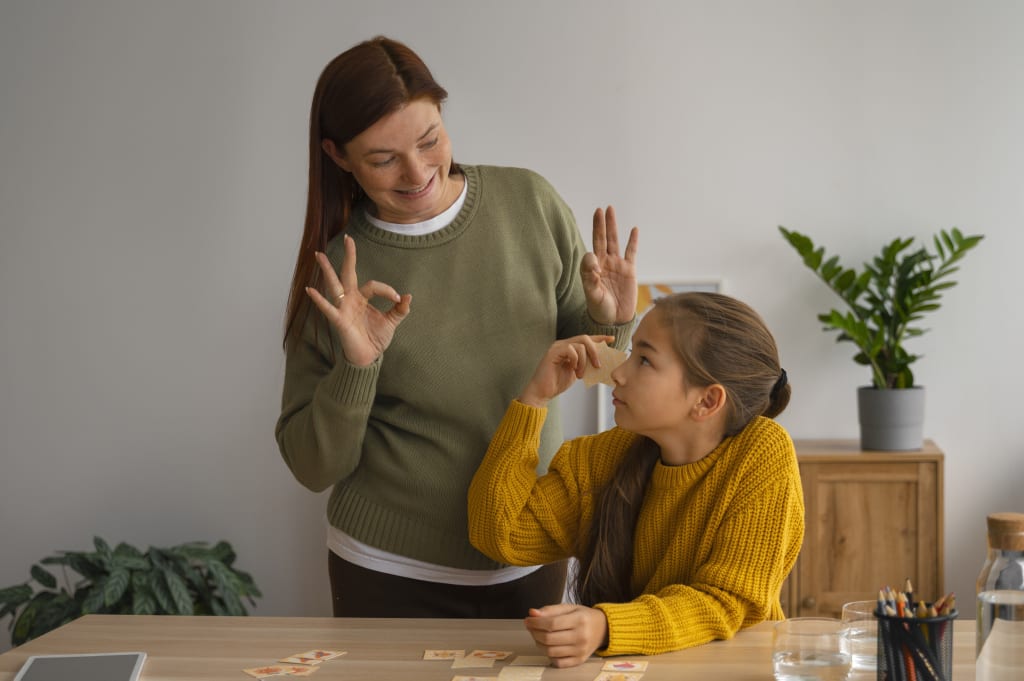
When working with children with high learning needs, it is essential to treat them thoughtfully. It is not rare to discover that children with high learning needs have characteristics such as curiosity and a quick mind. In most homes and institutions, there is a dilemma of how to treat these children in a manner that will give them confidence and balance. The question of gifted education Australia has become crucial, allowing adults to recognise ability while also recognising well-being, motivation, and development.
Gifted Learning Profiles
Gifted children exhibit uneven growth, where the development of their thinking abilities is greater than the development of their emotional or social growth. This can be puzzling for an adult when they understand the child's talent but have difficulty with the child's daily learning. Some children quickly grasp abstract concepts but struggle with daily learning. When these characteristics are identified, children feel understood, and frustration and motivation to learn are relieved.
The Role of Families in Early Identification
Families are the first to identify advanced skills, high interests, or high passions. The process of looking for students with learning difficulties should start early because it shapes their views about themselves as learners. Children develop trust and confidence when adults listen to them and watch what they do without judging them. Parents who know about giftedness can provide a good educational base because they can use their knowledge to help with home-based learning and communication with schools.
School Environments and Challenges
Students at gifted schools experience classroom frustration, classroom confusion and classroom isolation when their special requirements fail to receive proper attention. The growth of students is impacted by standardised teaching practices that lead to boring experiences for students. Teachers who observe student academic progress and academic performance changes can modify their teaching methods to maintain student interest. The flexible learning environment allows students to learn throughout their educational journey.
Well-Being and Identity
Gifted children show high levels of emotional expression, which affects their self-esteem. Children are curious about the differences in their thinking and feeling patterns compared to their friends. The children feel challenged because their friends expect them to do things they cannot. Parents should teach their children about human differences because it helps them feel that differences should not be seen as a weakness. The development of emotional awareness happens when people feel their most intense emotions.
Twice-Exceptional Students and Hidden Needs
Students may possess high ability and learning or attention differences. These two needs can be hidden and misunderstood. Support for the child may only address one need if the need is not understood. Both needs can be identified to offer full support to the child. The students will become more successful in their learning after their needs have been determined.
Meaningful Engagement
Gifted students respond positively to tasks that tend to match their personal interests. The students who find learning valuable will take research studies because they love to explore new concepts and push their boundaries. The adults who comprehend what children like to create chances for kids to explore, which helps children find pleasure in learning, which forms the essential element for their achievement and contentment.
Building Effective Communication Between Home and School
Effective communication between homes and schools provides consistency for gifted students. Once adults express their thoughts and feelings, there is no confusion. Communication enables strategies to be adjusted as students develop. Effective communication between environments enables students to feel safe and understood. This helps build more trust and ensures that support aligns with students' development.
Recognising Motivation
The exceptional abilities of gifted children create high self-expectations. People experience motivation problems because their intellectual needs remain unmet. At the same time, they suffer from emotional fatigue, which creates barriers to their potential. Adults who possess increased sensitivity to changes in energy levels, curiosity, and behavioural patterns exhibit advanced early-detection abilities. Burnout symptoms should be observed because they assist in the preservation of well-being and the development of positive learning experiences.
Exploration and Risk-Taking
Gifted children avoid risk-taking because they fear failure. Safe zones provide students with a secure space to conduct their inquiries while they test their understanding of various concepts. Children develop their understanding of learning through their observation of adults who maintain their composure during mistakes.
Long-Term Development and Beyond Academics
Gifted education prepares students for future success through academic training and essential life skills development. Self-awareness skills, self-regulation abilities and socialisation capacities stand as essential skills. The process of student confidence building requires educators to meet the specific demands of each student. Organisations must incorporate full development strategies that assist individuals in reaching their highest potential in all aspects of their lives.
Why Feeling Supported is Important
Children demonstrate better learning and self-expression when they receive supportive assistance. Children who receive support develop a sense of security that enables them to share their thoughts and emotions without restraint. The process establishes trust between people while it reduces stress. The increase in their confidence level allows them to approach new experiences while learning without facing any stress and pressure that exists in their lives.
Why Consistency in Guidance is Important
Children who receive consistent guidance experience secure learning environments. When reactions and expectations are consistent, there is no confusion and stress for children. They understand what is expected of them and thus feel secure. The learning process becomes easier for them when they know their safe point because it helps them progress their development. The process of maintaining consistent behaviour creates trust over time, which helps children build confidence while feeling calm about changes.
Allowing Space for Personal Growth
Children achieve personal growth through learning at their own natural speed. Mandating children to learn at an increased speed results in educational pressure which decreases their enjoyment of learning activities. They require open space to develop their capacity for independent thinking and exploration of their surroundings. They feel appreciated when their pace is valued. Gradually, this allows them to make progress and have a positive attitude towards learning.
In conclusion, gifted education requires three essential elements, which are patience, understanding and collaboration. The collaborative work between schools and families helps children to discover their personal identity and their most effective learning methods. Through time-based support, children develop their lives at their own pace, with ADHD and gifted support addressing their specific strengths and challenges. This way, children will develop self-assurance through proper guidance, which helps them grow without feeling the weight of expectations.
About the Creator
Amara Gomez
I am skilled in go-to-market strategy, product and consumer insights, messaging, demand generation, digital marketing (PPC, SEO, social, email, website, content, etc...) product marketing, customer advocacy, and content development.
Keep reading
More stories from Amara Gomez and writers in Education and other communities.




Comments
There are no comments for this story
Be the first to respond and start the conversation.