
Vanishing Colors: The Fight to Protect Endangered Butterflies and Moths
A Subtle Crisis in the Skies

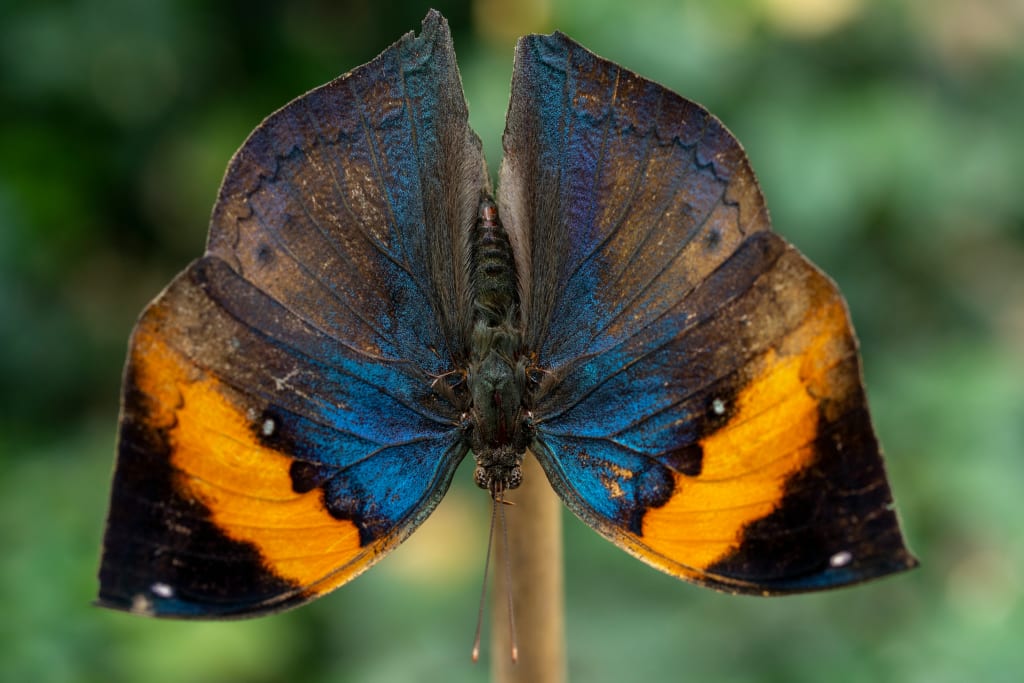
Across fields and forests, butterflies and moths once moved in vibrant waves of color. Today, however, many of these species struggle to survive. Scientists continue to document population declines in multiple regions. As natural habitats shrink, these insects lose the resources they need to complete their life cycles. Consequently, ecosystems grow quieter and less diverse.
Although butterflies and moths appear fragile, they support complex ecological systems. They pollinate flowering plants and sustain birds, bats, and small mammals. Therefore, when their numbers drop, the effects ripple through entire food webs. The disappearance of these winged insects signals an environmental imbalance that demands attention.
Habitat Destruction and Fragmentation
Human expansion drives one of the most serious threats to Lepidoptera. Urban development replaces wild meadows with concrete and pavement. Large-scale agriculture removes native plants and simplifies landscapes. As a result, host plants that caterpillars depend on vanish from many regions.
For instance, the decline of milkweed has directly affected the Monarch butterfly. Monarch caterpillars rely exclusively on this plant for survival. When farmland and roadside management eliminate milkweed, monarch populations decrease. Thus, habitat loss creates immediate and measurable consequences.
Fragmentation compounds the problem. Small, isolated patches of habitat cannot support stable populations. Butterflies and moths often struggle to travel safely between these areas. Over time, limited movement reduces genetic diversity and weakens resilience. Therefore, connected landscapes play a crucial role in long-term survival.
Climate Change Disrupts Natural Timing
Climate change intensifies existing pressures on vulnerable species. Many butterflies and moths depend on precise seasonal cues. They emerge when temperatures rise and when flowers bloom. However, shifting climate patterns disrupt this delicate timing.
Warmer winters and earlier springs alter plant growth cycles. In some cases, flowers bloom before butterflies emerge. As a result, adults face limited nectar sources during critical periods. This mismatch reduces reproduction and survival.
Extreme weather also damages habitats. Intense storms destroy coastal and forest ecosystems. Prolonged drought dries out wetlands and meadows. Because Lepidoptera depend on stable environments, these events threaten their ability to adapt quickly. Consequently, climate instability magnifies other environmental stresses.
Chemical Exposure and Light Pollution
In addition to habitat and climate challenges, pollution directly affects butterflies and moths. Pesticides designed to protect crops often harm beneficial insects. When chemicals spread beyond their target areas, caterpillars and adults are unintentionally exposed. Even small doses can interfere with development and reproduction.
Light pollution presents another growing threat, especially for nocturnal moths. Artificial lighting disrupts moths' natural behaviors. Instead of feeding or mating, they circle streetlights and illuminated buildings. Over time, this disruption reduces reproductive success. Therefore, modern urban lighting reshapes nighttime ecosystems in harmful ways.
Water pollution further complicates survival. Agricultural runoff introduces toxins into streams and soil. Host plants absorb these contaminants, which then affect caterpillar feeding behavior. As pollution accumulates, already fragile populations face additional pressure.
Species Facing Critical Decline
Some butterflies and moths now stand at the edge of extinction. The Karner blue butterfly once flourished in oak savannas across parts of the United States. Today, habitat loss has drastically reduced its range. Conservation groups now restore wild lupine, the plant whose larvae they require. Without this plant, the species cannot survive.
Similarly, the Poweshiek skipperling has declined sharply in prairie regions. Agricultural expansion and habitat alteration have destroyed much of its native grassland. As its environment disappears, so does its opportunity to recover.
These cases highlight a broader pattern. Many lesser-known species face similar risks. Because they receive less public attention, their declines often go unnoticed.
Community Action and Conservation Efforts
Despite these alarming trends, conservation efforts continue to grow. Scientists and volunteers collaborate to restore native habitats. They plant milkweed, wildflowers, and native grasses in public and private spaces. Through these efforts, they rebuild critical breeding grounds and food sources.
Public awareness also drives meaningful change. Gardeners now create pollinator-friendly landscapes in suburban neighborhoods. Farmers adopt more targeted pest control strategies. Cities reduce unnecessary lighting in certain areas. Consequently, individual actions combine to support broader recovery.
Protected lands offer another layer of defense. Wildlife refuges and conservation reserves preserve vital ecosystems. Within these spaces, endangered butterflies and moths find shelter from development and pollution. Although protection cannot solve every challenge, it provides essential stability.
Why Their Survival Matters
Butterflies and moths contribute far more than aesthetic beauty. They sustain pollination networks that support both wild plants and crops. They provide essential food for many animal species. Therefore, their decline signals a deeper ecological imbalance.
Moreover, these insects act as environmental indicators. When butterfly populations decrease, scientists often uncover broader habitat or climate issues. Protecting them helps safeguard entire ecosystems.
A Future Worth Protecting
The fate of endangered Lepidoptera depends on collective responsibility. Individuals can plant native species and reduce chemical use. Communities can preserve green spaces and support conservation programs. Policymakers can implement regulations that protect habitats and limit harmful pollutants.
Although challenges remain significant, hope persists. Nature responds positively when people restore balance and reduce harm. By acting with urgency and care, society can protect these fragile wings.
Saving endangered butterflies and moths means preserving more than color in the sky. It means defending biodiversity, ecological stability, and the health of future generations.
About the Creator
Keep reading
More stories from Akito Kawahara and writers in Education and other communities.
Wings of Wonder: Tracing the Evolutionary Brilliance of Butterflies
Butterflies are among nature’s most enchanting creations, admired for their delicate forms and radiant colors. Their gentle flight and fleeting presence often evoke a sense of calm and wonder, yet their existence is rooted in a long history of adaptation and survival. Far from being fragile ornaments of the natural world, butterflies are products of powerful evolutionary forces that have shaped them into highly specialized organisms.
By Akito Kawahara20 days ago in Education
The Seed Renaissance: Inside France USD 1.91 Billion Agritech Surge
The era of “one-size-fits-all” crop solutions is officially over. Walking through the agricultural research centers of Île-de-France or browsing webinars on French agritech platforms in 2026, it becomes clear that the modern French farmer is now one of the most discerning in the world. I call them “Seed Strategists” growers who can evaluate genetic traits, sustainability metrics, and yield predictions with the precision of a biotech analyst, valuing data-backed results over tradition alone.
By Neeraj kumar6 days ago in Education
At My Wits’ End
Life is about taking out the trash and calling it trash because you have every reason to. It wasn't meant to be linear, they say. But the times you tried to make it straight led to problems, and you didn’t have the tools to put any of it to use. You don't put your right shoes on the right feet; you put the left shoes on the left feet. The grey hardened slab will trip you up anyway.
By Caitlin Charlton5 days ago in Humans


Comments