
What are the early warning signs of mental illness, and why is it important to intervene early?
warning signs of mental illness
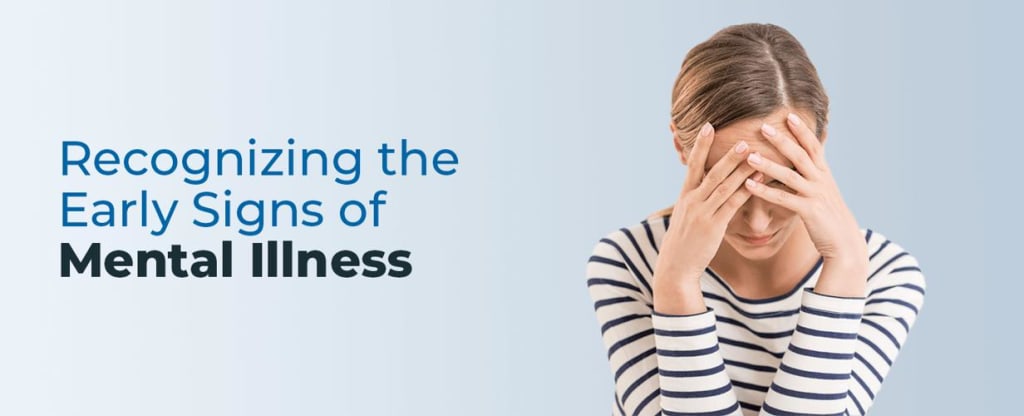
Mental health is extremely significant to our well-being and general health and affects the way we think, feel, act, and relate to others. Just like physical illnesses have warning signs—a cough, fatigue, or a fever—mental illnesses typically have early warning signs that indicate we are ill. We should be aware of these warning signs, not only to reduce the individual's misery, but also to improve results with early intervention.
Mental illnesses, when identified and treated early, are much more manageable, and individuals can return to leading productive, satisfying lives. Most, however, either ignore the symptoms or are unaware of them due to stigma, lack of knowledge, or fear. Knowledge of these signs and the importance of early intervention can prevent long-term psychological, emotional, and social harm.
Understanding Mental Illness
Mental illness is a general term that defines numerous various conditions, including:
Mood disorders (e.g., depression, bipolar disorder)
Anxiety disorders (e.g., generalized anxiety, phobias, OCD)
Psychotic disorders (e.g., schizophrenia)
Personality disorders
Eating disorders
Post-traumatic stress disorder (PTSD)
Substance use disorders
Each of these illnesses affects people in different ways based on genetics, life experience, physical health, and environment. Importantly, mental illness is not a sign of personal failure or weakness—it's a medical condition that deserves the same attention and concern as physical illness.
Early Warning Signs of Mental Illness
Symptoms of mental illness usually develop gradually. At first, they may seem like normal reactions to stress, moodiness, or personality. But if they don't disappear and start to get in the way of daily life, they may be a sign of something more serious.
Here are some common early warning signs to watch for:
1. Changes in Mood and Emotions
Persistent sadness or irritability
Unexplained anger or violent outbursts
Crying frequently or emotional numbness
Strong feelings of guilt or hopelessness
2. Withdrawal from Social Activities
Loss of interest in hobbies, social interactions, or relationships
Avoiding friends and family
Withdrawing for extended periods
3. Deterioration in Day-to-Day Functioning
Difficulty with concentration or making decisions
Difficulty in maintaining household chores, studies, or work
Poor personal hygiene or neglecting personal care
4. Sleep and Appetite Disturbances
Sleeping excessively or insomnia
Sudden weight gain or loss
Eating significantly more or less than usual
5. Enhanced Sensitivity
Being intolerant to light, crowds, or noise
Becoming excessively upset by criticism or failure
Becoming readily overwhelmed by minor challenges
6. Substance Use
Increased use of alcohol, drugs, or prescription medications to manage
Secretiveness about substance use
Persistence in using substances despite their harmful consequences
7. Cognitive Changes
Racing thoughts or slowed thinking
Memory problems
Delusional thinking or paranoia
8. Physical Symptoms
Persistent headaches, stomach issues, or inexplicable pain
Fatigue with no medical basis
Nervousness or a racing heart with no physical basis
9. Suicidal Thoughts or Behaviors
Talking or writing about death or suicide
Giving away personal belongings
Saying that others would be better off without them
If any of the above symptoms have persisted for more than two weeks or even seem to be worsening, it is important to seek professional intervention.
Why Early Intervention Matters
Early intervention for mental illness involves recognizing the symptoms early enough and starting treatment early. Here is why it makes a huge difference:
1. Prevention of Condition Worsening
Mental disorders worsen over time if left untreated. What may begin as mild depression or anxiety can escalate into full-blown disorders. Early treatment averts this and also reduces the risk of complications like drug abuse or suicidal tendencies.
2. Improved Recovery Outcomes
Those who receive assistance early respond better to treatment and recover sooner. The brain and mind are more pliable in earlier phases of illness, and thus therapies are more efficient, and the long-term need for hospitalization or medication is shorter.
3. Lessening Impact on Daily Life
Early treatment allows individuals to continue with employment, studies, and relationships with minimal disruption. It also preserves self-esteem and confidence and reduces feelings of failure or loss of control that accompany untreated illness.
4. Reducing Stigma
As mental illness is treated early and openly, it serves to eradicate stigma. Family, friends, schools, and workplaces become more educated, supportive, and proactive in the provision of mental health-friendly environments.
5. Saving Lives
Most significantly, perhaps, early intervention saves lives. Suicide is among the world's leading killers, and most victims were suffering from untreated or under-treated mental illness. Seeking help earlier rather than later can avoid this horrific outcome by a wide margin.
How to Respond to Early Warning Signs
If you notice these symptoms in yourself or in someone else, here's how you can respond:
1. Talk About It
Open conversations about mental health can save lives. Use nonjudgmental language like:
"I've noticed you've been really down lately. Is everything alright?"
Be patient and let the person speak. Don't give advice too hastily—sometimes simply listening can be so effective.
2. Seek Professional Help
Encourage them (or yourself) to visit a psychiatrist, psychologist, or mental health counselor. They can provide a proper diagnosis and recommend the proper treatment, whether therapy, medication, or lifestyle changes.
3. Avoid Self-Diagnosis
Symptoms read online are informative but no substitute for professional evaluation. Mental illness is complex and unique to every individual.
4. Involve Family and Support Networks
Involve family members in the recovery process, where appropriate. Social support plays an important role in treatment adherence and emotional recovery.
5. Utilize Crisis Services if Needed
If someone is suicidal, it is critical to seek help right away. Dial emergency services, a mental health crisis line, or take the individual to the nearest hospital.
Creating a Culture of Awareness and Prevention
Mental illness is nothing to be ashamed of. It is part of the human condition, and just like physical illness, it requires care and support. Schools, workplaces, and communities must:
Provide mental health education
Offer access to screening and counseling
Normalize mental health discussions
Encourage healthy lifestyle habits (exercise, sleep, mindfulness)
In offering these kinds of environments, we can catch things early and offer support before they become overwhelming.
A Final Word of Encouragement
If you are noticing early warning signs of a mental illness in yourself or a loved one, here is what you should remember: You are not alone, and there is help. There is strength in seeking help. Early intervention not only improves mental health outcomes but also restores hope, dignity, and quality of life.
Do not wait for a crisis. Do not wait until it seems "bad enough." Mental health is worth your attention today.
Visit:
https://www.delhimindclinic.com/
https://www.craftcmsdeveloper.in/
Feel free to get in touch with me if you'd like to talk about making changes to your Craft site or simply chat about your Craft project. I provide a complimentary consultation!
About the Creator
Keep reading
More stories from Naveen Garg and writers in Education and other communities.
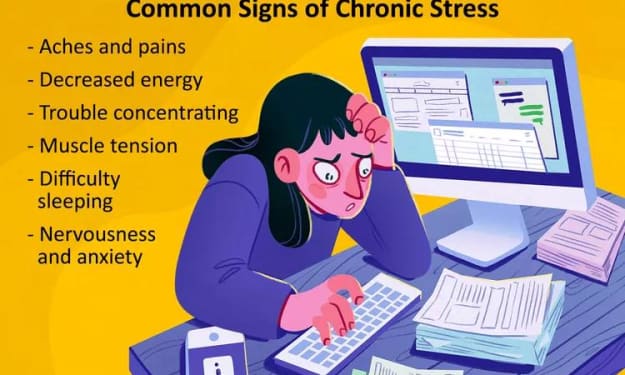
How does chronic stress affect mental health, and what is to be done regarding that?
Stress is a part of life. In small doses, it can keep us on our toes, alert, focused, and motivated. But when stress becomes chronic, it can begin to have serious consequences for both physical and mental health. In today's modern world—marked by round-the-clock connectivity, job pressures, financial concerns, and social demands—chronic stress has become a too-common affliction. While the brain and body are built to handle occasional bouts of stress (so-called "fight-or-flight" response), they are not built to stay constantly "on" and tense.
By Naveen Garg7 months ago in Education
Why the Beer Market Is Evolving Beyond Tradition and Into Lifestyle Culture?
As an alcoholic beverage that has been popular across cultures and ages, beer has a long history. Customarily, beer has been associated with social interaction, but in the modern world it has become a dynamic industry defined by innovation, branding, and consumer preferences. The beer market is still largely influenced by customary brewing but has adapted for modern lifestyles.
By Akshay Kumar6 days ago in Education



Comments
There are no comments for this story
Be the first to respond and start the conversation.