
Why Are My Kitchen Cabinets Cold? Exploring Possible Causes and Solutions
Don't let chilly cabinets put a freeze on your kitchen! Join us as we uncover the mysteries behind why your kitchen cabinets may be cold, and explore practical solutions to keep your cabinets toasty warm.


Have you ever opened your kitchen cabinets and been hit with a blast of icy air? If so, you're not alone.
Cold kitchen cabinets are a common problem that many homeowners face, and they can be more than just an annoyance - they can also be a sign of a larger issue.
So, why are your kitchen cabinets so cold? There are several possible causes, ranging from simple fixes to more complex problems. One common reason is poor insulation, which can allow cold air to seep in and make your cabinets chilly. This is especially true if your cabinets are located in an area of your home that lacks proper heating or is exposed to the elements.
Another potential cause is a lack of ventilation, which can cause moisture to build up inside your cabinets and make them feel cold and damp. This can be especially problematic in areas with high humidity or where there is a lot of cooking or washing taking place.
Whatever the cause of your chilly cabinets, there are solutions available.
From adding weather stripping to insulating your walls, there are a variety of options to consider. So don't let the cold get you down - join us as we explore the possible causes of cold kitchen cabinets and find practical solutions to keep your cabinets warm and inviting all year round.
There are several reasons why your kitchen cabinets be cold. Here are some possible explanations:
Insufficient insulation: If your kitchen cabinets are located against an exterior wall or in a poorly insulated area of your home, they may be more susceptible to temperature fluctuations from outside.
This is because heat naturally moves from warmer to cooler areas, so if the outside air is colder than the inside air, the cabinets may feel cold to the touch.

To determine if this is the case, you can check the insulation in your walls and attic and consider adding more if necessary. You may also want to consider installing cabinet insulation to help regulate the temperature inside your cabinets.
Drafts or leaks: Even if your kitchen is well-insulated, drafts or leaks can still occur and allow cold air to seep in.
Gaps or cracks in the cabinets, doors, or windows can allow air to circulate inside, leading to a colder environment.
This can be caused by a variety of factors, including age, wear and tear, or improper installation. To address this issue, you can inspect your cabinets and doors for gaps or cracks and seal them with weather stripping or caulk as needed.
You may also want to consider replacing old windows or doors with newer, more energy-efficient models.
HVAC issues: Another possible reason why your kitchen cabinets feel cold is due to issues with your heating, ventilation, and air conditioning (HVAC) system. If your HVAC system is not functioning properly, it can lead to uneven distribution of warm air throughout your home or allow cold air to circulate.
This can be caused by a variety of issues, such as a malfunctioning thermostat, clogged air filters, or a broken furnace.
To address this issue, you can schedule an HVAC inspection and repair any issues that are identified. You may also want to consider upgrading your HVAC system to a more energy-efficient model to improve your home's overall temperature control.
Lack of heat sources: If your kitchen does not have sufficient heat sources, such as a radiator or heating vent, it may feel colder than other areas of your home.
This can affect the temperature inside your cabinets, especially if they are located near exterior walls or windows. To address this issue, you can consider adding additional heat sources, such as a space heater or under-cabinet lighting that generates heat.
Ventilation fans: If your kitchen has ventilation fans, they may be drawing in cold air from outside or from other areas of your home. This can cause a drop in temperature inside your kitchen and affect the temperature inside your cabinets.

To address this issue, you can consider replacing your ventilation fans with more energy-efficient models that are designed to minimize drafts and air leaks.
Temperature settings: Finally, it's important to ensure that your thermostat and other temperature settings are properly calibrated to maintain a comfortable temperature inside your home.

If your thermostat is set too low or too high, it can affect the temperature inside your cabinets and throughout your home. Make sure to set your thermostat to a comfortable temperature and adjust it as needed based on your personal preferences and seasonal changes.
You can also consider using a programmable thermostat to optimize your home's temperature settings and reduce energy waste.
There are several ways to keep warm in a cold kitchen

Wear warm clothing: Wearing layers of warm clothing, such as sweaters or jackets, can help keep you warm in a cold kitchen. You can also wear slippers or thick socks to keep your feet warm.
Use a space heater: Using a space heater in your kitchen can help warm up the air around you. Make sure to follow safety precautions when using a space heater, such as keeping it away from flammable objects and not leaving it unattended.
Drink warm beverages: Drinking warm beverages, such as tea or coffee, can help raise your body temperature and keep you feeling warm.
Use an electric blanket or heating pad: If you're sitting at a table or on a chair, you can use an electric blanket or heating pad to keep yourself warm.
Move around: Moving around and doing light exercises, such as stretching or jumping jacks, can help raise your body temperature and keep you feeling warm.
Cook or bake: Using your oven or stovetop to cook or bake can help warm up your kitchen and provide additional warmth.
Best 6 solutions to address cold kitchen cabinets:

1#Insulate your cabinets:
One way to address cold kitchen cabinets is to insulate them. You can purchase cabinet insulation kits that come with panels to fit inside your cabinets or create your own with foam board insulation.
To install, cut the insulation panels to fit inside the back, bottom, and sides of your cabinets and attach them with adhesive or double-sided tape.
This will help regulate the temperature inside the cabinets and prevent cold air from seeping in.
2#Seal gaps and cracks:
Check your cabinets and doors for gaps or cracks that could be letting cold air in. You can use weather stripping or caulk to seal gaps around the edges of the cabinets and doors.
Make sure to also check for gaps around windows and other openings in the kitchen. This will help prevent drafts and keep the temperature inside the cabinets more consistent.
3#Add heat sources:
If your kitchen lacks sufficient heat sources, consider adding a space heater or under-cabinet lighting that generates heat.
This will help warm up the air around your cabinets and maintain a consistent temperature. You can also install a radiator or heating vent in the kitchen if it's feasible.
4#Upgrade your HVAC system:
If your HVAC system is not functioning properly, it may be causing uneven temperature distribution and allowing cold air to circulate in your home.
Consider scheduling an inspection with a licensed HVAC technician to identify any issues and repair or replace any components as needed. Upgrading to a more energy-efficient HVAC system can also help improve temperature control and reduce energy costs.
5#Adjust your ventilation:
If your kitchen has ventilation fans, make sure they are properly installed and not drawing in cold air from outside.
You can also consider upgrading to more energy-efficient models that minimize drafts and air leaks. Make sure to also keep vents open and unobstructed to allow warm air to circulate properly.
6#Check your thermostat:
Make sure your thermostat is properly calibrated and set to a comfortable temperature.
Adjust the settings based on your personal preferences and seasonal changes. Consider using a programmable thermostat to optimize your home's temperature settings and reduce energy waste.
You can also use a smart thermostat that learns your preferences and adjusts the temperature accordingly.
In conclusion,
there are several solutions to address cold kitchen cabinets, including insulating your cabinets, sealing gaps and cracks, adding heat sources, upgrading your HVAC system, adjusting your ventilation, and checking your thermostat.
By implementing one or more of these solutions, you can improve temperature control in your kitchen and ensure that your cabinets stay at a comfortable temperature.
It's important to remember that a well-maintained and energy-efficient home not only provides comfort but also reduces energy costs and helps protect the environment.
About the Creator
MOUTAZ ALNABILSY
Moutaz is dedicated to helping homeowners at HCE make informed decisions when it comes to selecting the perfect cabinets
From wood type and design selection to color matching, you'll have the perfect cabinets in no time! #homedecor #design
Keep reading
More stories from MOUTAZ ALNABILSY and writers in Education and other communities.
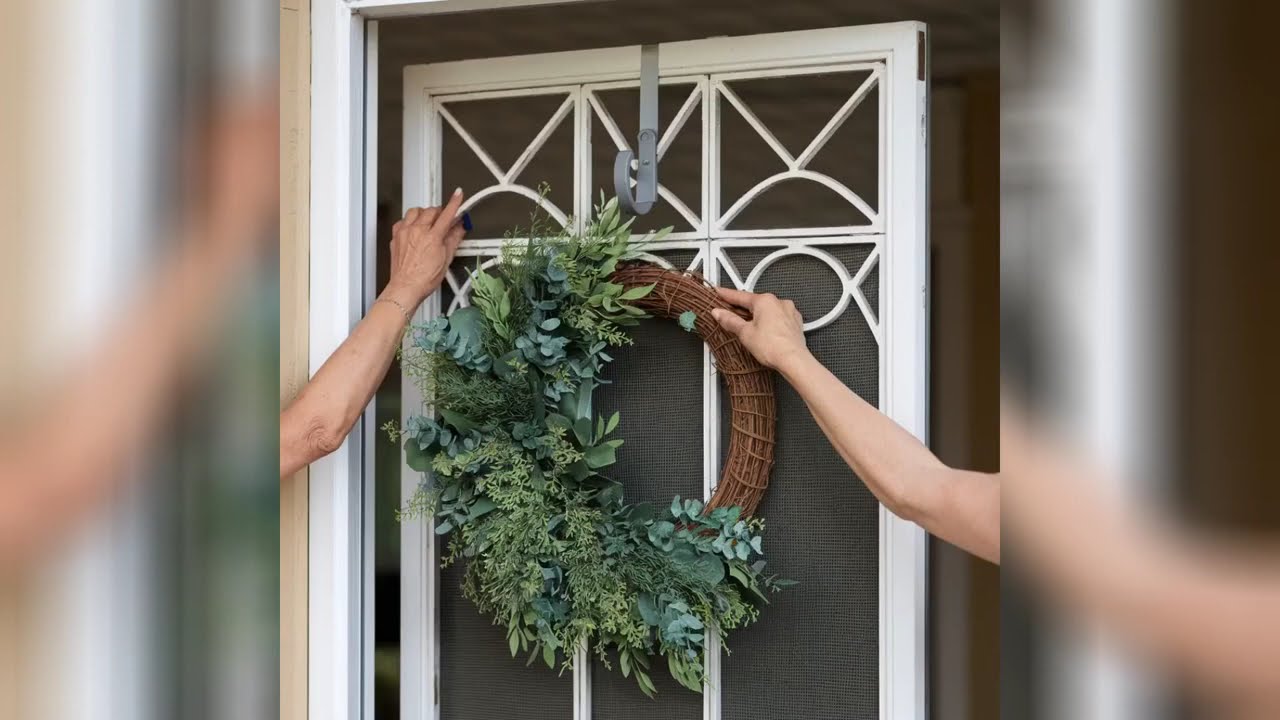
10 Simple Door Wreath Hanging Tips with Top 10 Wreath Designs
There’s something undeniably charming about a beautifully adorned front door. It’s often the first thing that welcomes guests into your home, setting the tone for what’s inside. Among the many ways to decorate your entryway, hanging a wreath is one of the most timeless and versatile options. Whether it’s a festive holiday wreath, a seasonal design, or something that reflects your personal style, a wreath can add a touch of warmth and personality to your front door.
By MOUTAZ ALNABILSYabout a year ago in Lifehack
China Hair Care Industry Analysis Market Size, Trends, and CAGR (2026–2034)
For decades, the Chinese beauty market was dominated by skincare, but in 2026, the focus has shifted upward. The "Skinification of Hair" has turned the humble shampoo into a sophisticated multi-step ritual. Driven by a young, urban population facing high-stress levels and environmental pollutants, the China hair care market is currently on an explosive trajectory. The China hair care market was valued at USD 15,547.6 million in 2025 and is projected to reach USD 22,146.4 million by 2034. According to IMARC Group, the market is expected to grow at a compound annual growth rate (CAGR) of 4.01% from 2026 to 2034."
By Neeraj kumar3 days ago in Education
Self Help: Grifters' Gospel
On Self-Help, Snake Oil, and the Illusion of Change Psychology professionals and students can be imagined on two opposite sides of a line called self-help books: likely a larger group opposes pop-science and step-by-step manuals filled with talk of success, journaling, and not giving a f**k; others love them, but they aren’t many.
By Avocado Nunzella BSc (Psych) -- M.A.P 4 days ago in BookClub


Comments
There are no comments for this story
Be the first to respond and start the conversation.