
Why the Flexible Packaging Market Is Transforming Modern Product Delivery?
The Growing Demand for Lightweight, Sustainable, and Efficient Packaging Solutions

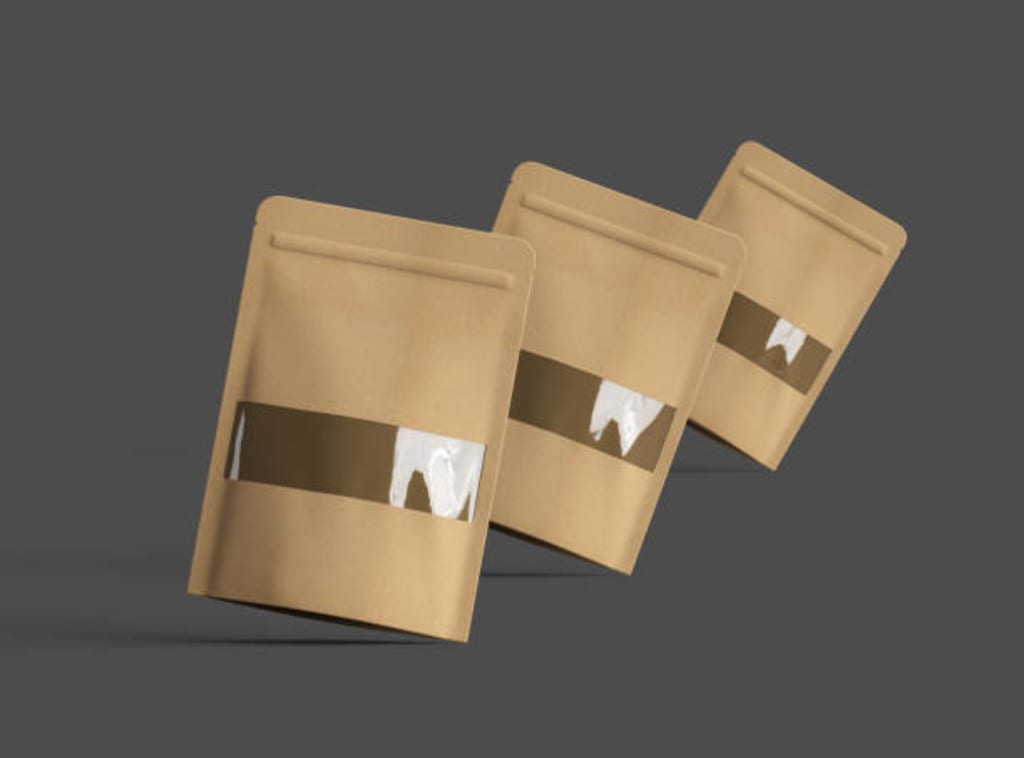
Packaging plays a critical role in protecting products, extending shelf life, and influencing purchasing decisions. As industries strive for efficiency, sustainability, and convenience, the flexible packaging market has gained significant importance. From food and beverages to pharmaceuticals and personal care products, flexible packaging has become an essential component of modern supply chains.
Unlike rigid packaging formats, flexible packaging offers adaptability, reduced material usage, and design versatility. Its rising adoption reflects broader shifts toward resource optimization, consumer convenience, and innovative branding strategies. The flexible packaging market continues to evolve as manufacturers seek solutions that balance functionality with environmental responsibility.
Understanding What the Flexible Packaging Market Really Is
The flexible packaging market includes packaging solutions made from materials such as plastic films, paper, foil, and laminates that can easily change shape. These materials are used to create pouches, sachets, wraps, bags, and other lightweight packaging formats.
Flexible packaging is designed to protect contents from moisture, air, light, and contamination while maintaining portability and ease of use. The market covers material production, printing technologies, sealing systems, and distribution channels.
This form of packaging is widely used across industries due to its ability to combine durability with reduced material weight compared to traditional rigid alternatives.
Click here if you want to know more about Flexible Packaging Market
Key Factors Driving the Popularity of the Flexible Packaging Market
One of the primary drivers behind the growth of the flexible packaging market is convenience. Consumers prefer packaging that is easy to open, resealable, portable, and lightweight.
Cost efficiency also contributes to demand. Flexible packaging often requires less raw material and lower transportation costs due to its reduced weight and compact design.
Sustainability initiatives further strengthen adoption. By using fewer materials and enabling efficient storage and transport, flexible packaging supports resource conservation efforts.
E-commerce growth has also influenced demand, as lightweight and protective packaging is essential for safe product delivery.
The Role of Innovation and Material Technology
Innovation plays a vital role in shaping the flexible packaging market. Advances in material science have improved barrier properties, ensuring extended shelf life for perishable products.
High-quality printing technologies allow brands to create visually appealing designs that enhance product visibility on retail shelves. Digital printing enables customization and short production runs.
Developments in recyclable and biodegradable materials reflect growing environmental awareness. Manufacturers are exploring mono-material solutions that simplify recycling processes.
Improved sealing technologies enhance product safety and reduce leakage risks, strengthening overall packaging performance.
Changing Consumer Behavior and Industry Practices
Consumer preferences are shifting toward sustainability and convenience. Many shoppers consider packaging impact when making purchasing decisions, encouraging brands to adopt eco-conscious designs.
Smaller portion sizes and on-the-go consumption habits drive demand for single-serve pouches and portable packaging formats.
Retailers and manufacturers are prioritizing space efficiency in storage and transportation. Flexible packaging allows higher packing density compared to rigid alternatives.
Industry practices are increasingly focused on reducing waste and improving supply chain efficiency, further supporting the adoption of flexible formats.
Benefits and Practical Advantages
The flexible packaging market offers several practical advantages:
• Lightweight Design: Reduces transportation and storage costs
• Material Efficiency: Uses less raw material compared to rigid packaging
• Enhanced Shelf Life: Protects products from environmental exposure
• Design Flexibility: Supports creative branding and customization
• Convenience Features: Includes resealable and easy-open options
• Space Optimization: Improves storage and distribution efficiency
• Sustainability Potential: Supports recyclable and reduced-waste solutions
These advantages contribute to the growing preference for flexible packaging across industries.
Global Adoption and Regional Relevance
The flexible packaging market demonstrates widespread adoption across developed and emerging regions. In developed economies, demand is driven by advanced retail networks, e-commerce expansion, and sustainability initiatives.
Emerging markets are witnessing increased use of flexible packaging due to urbanization, rising consumption of packaged goods, and infrastructure growth.
Regional regulations and environmental policies influence material choices and recycling practices. Manufacturers are adapting to local standards while maintaining global supply chain efficiency.
Across sectors and geographies, flexible packaging plays a crucial role in product protection and presentation.
Challenges Facing the Flexible Packaging Market
Despite its advantages, the flexible packaging market faces certain challenges. Environmental concerns related to plastic waste require continuous innovation and responsible material sourcing.
Recycling infrastructure limitations may affect the effective disposal of multi-layer packaging materials.
Balancing durability with eco-friendly materials can present technical complexities for manufacturers.
Regulatory changes related to packaging waste and sustainability standards require ongoing adaptation and compliance.
Future Outlook of the Flexible Packaging Market
The future of the flexible packaging market is closely tied to sustainability, digital innovation, and evolving consumer expectations. Development of recyclable and compostable materials is expected to strengthen environmental performance.
Smart packaging features, such as QR codes and traceability systems, may enhance product transparency and consumer engagement.
Continued growth in online retail and convenience-driven lifestyles will likely sustain demand for lightweight and protective packaging formats.
As industries seek efficient and responsible packaging solutions, flexible packaging is positioned to remain a key component of modern supply chains.
Conclusion
The flexible packaging market is redefining how products are protected, transported, and presented. By offering lightweight, adaptable, and innovative solutions, it supports efficiency across diverse industries.
Driven by consumer demand for convenience and sustainability, as well as advancements in material technology, the market continues to evolve. As packaging standards shift toward responsible and efficient design, flexible packaging will remain central to shaping the future of product delivery.
About the Creator
Akshay Kumar
A dedicated Market Research Professional specializing in in-depth analysis, industry forecasting, and strategic insights. Known for precision, reliability, and delivering research that adds real business value.
Keep reading
More stories from Akshay Kumar and writers in Education and other communities.
Why the Customer Relationship Management (CRM) Market Is Transforming Business–Customer Interactions?
In today's marketplace, customer relationships are everything. CRM is no longer the prerogative of the few but is now a requirement for the majority of organizations in almost all sectors. In this context, the Customer Relationship Management (CRM) market has grown, allowing for more formalized and smart approaches to managing customer interactions.
By Akshay Kumarabout 7 hours ago in Education




Comments
There are no comments for this story
Be the first to respond and start the conversation.