
Educated Families, Respected Communities: Why It Starts at Home
Educated families foster respected communities. Educated families nurture strong values, lifelong learning, and parental involvement at home to establish a better, more unified society.


Educated Families, Respected Communities: Why It Starts at Home
Educated families foster respected communities. Educated families nurture strong values, lifelong learning, and parental involvement at home to establish a better, more unified society.
Educated Families, Respected Communities: Why It Starts at Home
Every great nation is built on its people – and every person begins at home. When families encourage education, discipline, and respect for each other, this sets off a chain reaction in society.
The relationship between educated families and respected communities is not just a thesis but rather a proven statement that has influenced cultures and civilisations throughout history.
In this article, we will explore how education in the family unit can foster integrity, empathy, and responsibility, which is the foundation of a respected community.
establish their own beliefs, foster communities, and aid in individual growth. Even simple choices made at home about student activities can enhance agency, creativity, and advancement.
It is important to note parents do not need a higher education degree to promote education at home either. Yet, when they teach their values, they inevitably point to their use of education as a family.
The Importance of Families as First Educators
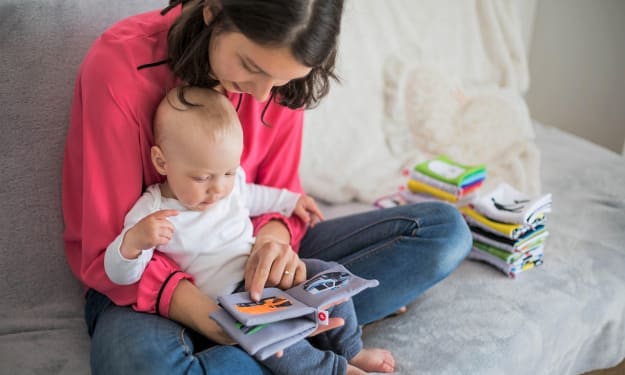
When parents talk and demonstrate their values within the home, children learn from richer interactions than those presented in school alone. Family values serve as guideposts for children's character development and thereby serve as excellent reminders for parents on how to contribute towards positive communities.
For individuals to shape caring, respected communities, they must first demonstrate those values for their children, verbally and otherwise. Education at home is the first step to enabling children to establish good character. Families and parents influence the child's character development more than schools do, so a huge educational opportunity lies outside of school."
In addition, home education does not concern itself simply with academics. It's also about emotional education, learning how to control rage, the value of patience, expressing gratitude, and resolving conflict peacefully. Kids who grow up with these skills become adults who build bridges instead of walls, ultimately enhancing the fabric of a respected community.
Educated Families Are Role Models
There is great value in role models in communities. They can influence others by their actions and motivate better behaviour. Educated families tend to be role models, those who model fairness and responsibility and learning as a lifelong endeavour.
For example, when a parent works hard, reads often, and treats everyone with respect, he has sent a valuable message to his children, who take these habits to school, to their jobs, and into the community. The behaviours compound within a couple of generations, creating a culture of respect and progress.
It is not perfection that matters, but effort. Families that model humility, and humility in educating themselves about life, create a legacy that lives on.
The Ripple Effect of Education
Education starts at home, but its influence quickly spreads to more than just one household. Within a family, the process of learning carries a ripple effect that positively impacts everyone else in its vicinity.
Educated Parents → Educated Children
When children are raised by educated parents, these children learn to think critically, take action, and make informed decisions.
Educated Children → Responsible Citizens
Excited and educated children become responsible members of society and develop a sense of civic duty to the greater good of others.
Responsible Citizens → Respected Community Members
When people act with integrity, fairness, and sympathy, communities thrive.
Like this, just one educated family adds to the depth and respect of where we all live. It's similar to the growth of a seed that developed into a tree capable of creating a forest — one family can influence another, and other families, and influence each other.
Education Promotes Empathy and Togetherness
The incredible benefit of education, formal and informal, is that it builds empathy. When people are educated, they become more open and understanding of the experiences of others.
Educated families will raise children who learn to appreciate diversity, will respect multiple perspectives, and have an appreciation for teamwork. All of these things contribute to being a part of a community that celebrates differences instead of fearing them.
Such communities also develop into a respected community, a community everyone admires dearly for its understanding, caring, and fairness.
An enlightened mind understands that progress can never occur without unity. When communities unify, they create a space for everyone to flourish, regardless of one’s status or background.
The Responsibility of Parents to Help Build Respected Communities
Parents are the builders of the next generation. Every choice they make — encouraging students to be educated, displaying manners, etc. — influences the type of society their children will eventually live in.
Here’s how parents can help build respected communities:
Model Lifelong Learning: Teach children that “learning doesn’t end with school.” As families, explore books and documentaries and discuss topics of importance.
Teach Respect: Teach kindness not just through words, but through “walks” as a family, such as helping out neighbours, respecting elders, and valuing everyone’s opinion.
Make a Difference: Attend community events, volunteer together or participate in environmental-type activities. Doing these types of things shows children that giving back is important.
Model Integrity: A child’s life should display honesty and fairness in the course of everyday life. When children encounter this lifestyle quality, they will learn to display this quality themselves.
When parents conduct their lives under these mentioned principles. They have essentially taught their children to carry on and further build what community they have in place. Dig into strong communities that are compassionate and respected.
Education Serving as a Link between Families and Society
Education doesn’t only empower the individual. It connects families to the broader community of society. Educated families cultivate an understanding of social obligation — recycling, voting, community service, and respect for public spaces.
These small but significant actions are the essence of a respected community. When families join together to make a positive change in their communities, they contribute to a safer, cleaner, and friendlier place to live, school, and socialise.
Over a period of time, these neighbourhoods will attract others who will appreciate these values. Development and, ultimately, peace in the community become sustainable.
Hurdles to Creating Educated and Respected Communities
There is little question that educated families contribute to a respected community or society. There are, however, obstacles to movement forward; economic disparity, equal access to quality educational systems and community flaws can often dictate whether families choose educational learning outside of their home or family responsibilities.
Nevertheless, understanding the challenges is the first step; change will not happen overnight. Governments, NGOs, and community leaders will need to commit to supporting family education, ranging from parent workshops to community libraries.
When families have what they need to learn and grow, the hurdles will be overcome, and capable families will act as both learners and citizens.
Conclusion: It Begins at Home
Respected communities are made not in parliaments nor institutions but simply at home. An educated family unit is a building block of any successful community.
By valuing education, compassion, and respect, the family unit builds a foundation for a world based in understanding and collaboration. The education developed as families share a meal, tell stories, and recount events builds a legacy of educated citizens who carry the torch of knowledge with them when they leave home.
To create a world worth living in tomorrow, we must acknowledge what has been true since the beginning of humanity: educated families create respected communities – and the heart is always at home.
About the Creator
Link Logic
Link Logic brings together ideas, technology, and strategy to help drive deeper and smarter digital decisions. Clear thinking. Smart linking. Real outcomes.
Keep reading
More stories from Link Logic and writers in Families and other communities.
Reasons Why Spending Time with Family is More Essential Than Last Year in 2025
Reasons Why Spending Time with Family is More Essential Than Last Year in 2025 In 2025, spending time with family will be more essential than last year. In this article, we will delve into the equally important reasons spending time with family promotes victories, enhances mental wellbeing, and creates memories for a lifetime.
By Link Logic4 months ago in Families
Modern Parenting That Builds Resilient Children with Professor Carlton Jama Adams
Parenting today comes with layers of complexity that previous generations never faced. Children are growing up surrounded by digital noise, academic pressure, social comparison, and increased awareness of mental and emotional health. While the environment has changed, the deeper purpose of parenting remains the same: helping children grow into secure, capable, compassionate adults. In this evolving landscape, Professor Carlton Jama Adams offers a thoughtful framework that helps families focus on what truly matters while adapting to modern realities.
By Carlton Adams7 days ago in Families
Off the Book
It ended like every other stupid idea. Badly, and alone. I’m researching digital confession ethics, he said. A tech ethicist. He gestured at floating data I couldn’t see then pulled out a physical notebook. Actual paper, fountain pen. He held it up like he was showing me scripture.
By Nicky Frankly4 days ago in Fiction



Comments
There are no comments for this story
Be the first to respond and start the conversation.