
Emotional Support AI Chatbot: A New Era of Digital Compassion
An emotional support AI chatbot is a conversational AI system that goes beyond basic information exchange. It uses advanced natural language processing (NLP), sentiment analysis, and contextual understanding to detect a user’s emotional state and respond with empathy.

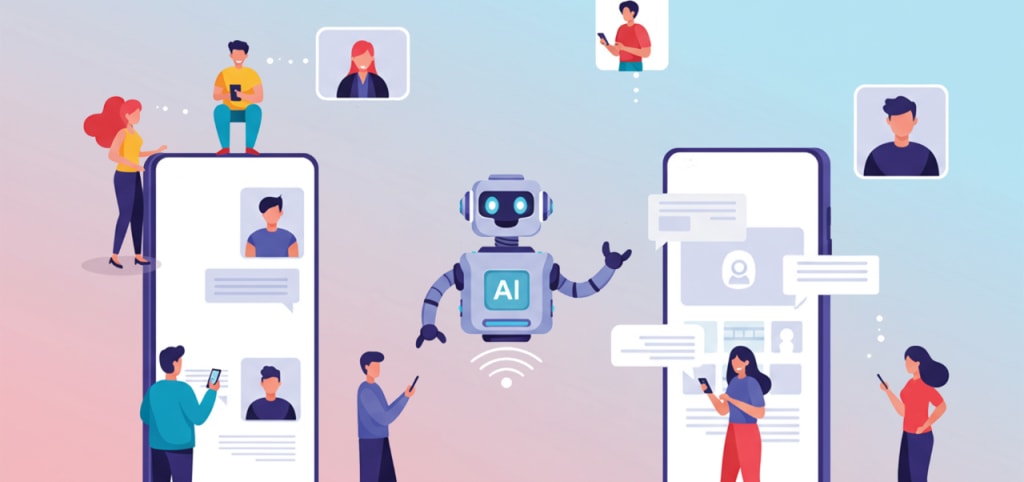
In today’s fast-paced, high-stress world, mental health support is more important than ever. With advancements in artificial intelligence, a new type of technology has emerged to provide comfort, empathy, and assistance — the emotional support AI chatbot. Unlike traditional chatbots that focus solely on answering questions or handling customer service tasks, these AI-powered companions are designed to understand emotions and provide human-like emotional support, offering users a safe and non-judgmental space to share their feelings.
What is an Emotional Support AI Chatbot?
An emotional support AI chatbot is a conversational AI system that goes beyond basic information exchange. It uses advanced natural language processing (NLP), sentiment analysis, and contextual understanding to detect a user’s emotional state and respond with empathy. These chatbots are not meant to replace professional therapists but to offer accessible, round-the-clock support for those seeking someone — or something — to talk to.
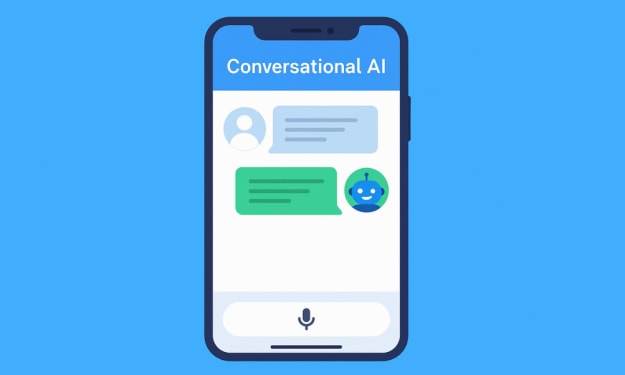
For example, if a user types, “I’m feeling really stressed today,” the chatbot might respond with, “I’m sorry you’re going through this. Would you like to talk about what’s on your mind?” This empathetic approach helps users feel heard and understood.
How Emotional Support AI Chatbots Work
The core functionality of an emotional support AI chatbot revolves around understanding and responding appropriately to emotional cues. This is achieved through:
Sentiment Analysis – AI algorithms analyze the tone, choice of words, and phrasing to assess whether the user is feeling positive, negative, or neutral.
Contextual Memory – The chatbot remembers parts of the conversation, allowing it to provide relevant and continuous support.
Emotion-Based Responses – Responses are generated to reflect compassion, encouragement, and understanding rather than robotic, generic replies.
Self-Help Tools – Many of these chatbots also provide guided breathing exercises, motivational quotes, and mindfulness tips.
Some advanced systems even incorporate voice tone analysis or facial expression recognition to enhance emotional detection.
Benefits of Emotional Support AI Chatbots
The popularity of emotional support AI chatbots is growing rapidly due to their unique advantages:
24/7 Availability – Users can receive comfort and understanding at any time of day, regardless of location.
Non-Judgmental Environment – People often find it easier to open up to AI without fear of being judged or stigmatized.
Cost-Effective Support – While not a substitute for therapy, chatbots provide free or affordable access to emotional help.
Privacy and Anonymity – Users can share personal thoughts without revealing their identity, which encourages honest conversations.
Immediate Response – Unlike waiting for a scheduled appointment, these chatbots respond instantly to emotional needs.
Real-Life Applications
Emotional support AI chatbots are being used in various fields:
Mental Health Apps – Offering guided conversations to help users cope with anxiety, stress, and loneliness.
Elderly Care – Providing companionship to older adults who may feel isolated.
Education – Supporting students through academic stress and emotional challenges.
Workplace Wellness – Helping employees manage burnout and maintain a positive mindset.
Challenges and Ethical Considerations
While promising, emotional support AI chatbots face challenges that need careful attention:
Accuracy of Emotional Detection – AI can misinterpret emotions, leading to inappropriate or unhelpful responses.
Data Privacy – Emotional conversations often involve sensitive information, making strong data protection essential.
Overreliance on AI – Users may rely too heavily on chatbots instead of seeking professional help when necessary.
Cultural Sensitivity – Emotional expressions vary across cultures, so AI must adapt to different communication styles.
The Future of Emotional Support AI Chatbots
The future of emotional support AI chatbots looks bright. With continuous advancements in AI and machine learning, these digital companions will become even better at recognizing complex emotions and offering personalized coping strategies. They may integrate with wearable devices to detect stress levels from heart rate or breathing patterns, making their emotional responses even more accurate.
Furthermore, partnerships between mental health professionals and AI developers could result in hybrid systems where chatbots provide immediate support while seamlessly connecting users to human therapists when needed.
Final Thoughts
The emotional support AI chatbot represents a remarkable blend of technology and empathy. By offering understanding, compassion, and practical coping tools, these chatbots are transforming how people access emotional care. While they cannot replace human connection or professional therapy, they serve as an important bridge — providing instant, accessible support in moments when it’s needed most.
As technology continues to evolve, emotional support AI chatbots have the potential to become trusted digital companions, helping millions navigate the emotional challenges of modern life with understanding, comfort, and care.
About the Creator
WTMF
WTMF is an emotionally intelligent AI companion built to support you during your most vulnerable hours—especially when your thoughts won’t let you sleep.
Dry Eyes from Contact Lenses: When to See an Optometrist
Contact lenses offer convenience, clear vision, and freedom from glasses—but for many people, they can also cause discomfort. One of the most common complaints among contact lens wearers is dry eyes from contact lenses. While occasional dryness can be normal, persistent symptoms may signal an underlying issue that requires professional attention.
By Parham Optical2 days ago in Families



Comments
There are no comments for this story
Be the first to respond and start the conversation.