
From Chips to Stains: Safe Ways to Fix Common Smile Issues in Children
Common pediatric dental problems and the modern solutions that keep kids healthy, pain-free, and smiling with confidence.

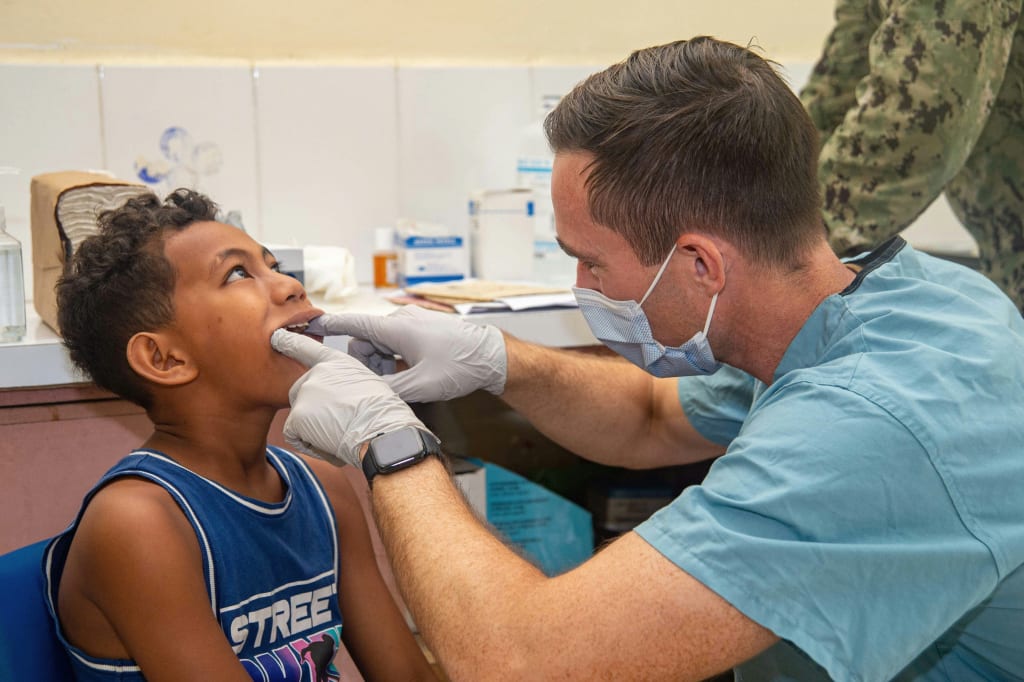
Establishing a routine for oral care in your children provides them with the foundation to practice healthy habits throughout their lives. You should get them used to the dentist’s office as soon as possible. Minor issues should be addressed before they escalate into major problems. Parents are naturally concerned about procedures such as X-rays, cosmetic procedures, and sedation. With the latest innovations in pediatric dentistry, children’s comfort and safety are always a priority..
The following are some of the most common dental issues faced by children, along with the ways dentists can help.
Cavities
Cavities are simply small holes in teeth, which are common in both adults and children. They form when bacteria in your mouth eat certain foods that contain sugar and then create an acid that wears away enamel.
The good news is that they are usually easy to fix if discovered early. For tiny spots, the dentist may just paint the affected area with a fluoride varnish. This is a quick and painless procedure, and it sets almost immediately. They help create a smooth surface that keeps toxins out.
Sealants and Fillings
Sealants are another substantial addition to the toolbox. One way to think of a sealant is that it’s like a raincoat for those deep grooves in the molars where bacteria and food frequently lurk. They create a smooth, easy-to-clean surface that seals out the trouble.
When a filling is needed, dentists apply a tooth-colored material that blends with the rest of the tooth. They will keep the tooth clean and dry in preparation, and sometimes use a rubber sheet to make the process more comfortable.
If the child is too young to receive a traditional filling, there is a treatment called silver diamine fluoride (SDF), which is used to stop the decay in its tracks without drilling.
For Deeper Cavities
Sometimes, a toothache may mean that the cavity has become extensive and reached the nerve. A dentist may perform a procedure called pulp therapy on a baby tooth to address irritated tissue inside the tooth. This may sound extreme, but it's familiar and perfectly safe..
A local anesthetic is applied to make sure the child isn’t in any pain. For teeth that can't be restored, the best option is to perform an extraction. Afterwards, they will place a space retainer, a small appliance that holds space for the permanent tooth to grow into.
Straightening Things Out
Orthodontic treatment isn’t just for teenagers. Habits like chronic thumb-sucking or mouth breathing can affect the development of the jaw and teeth emergence of teeth. Sometimes it’s as simple as getting the child some habit counseling or having them do tongue or facial muscle exercises.
If a primary tooth is lost early, a space maintainer can be used to keep the adjacent tooth from drifting into that space. Or the dentist may decide to initiate what is called Phase 1 treatment, which includes a palatal expander to widen the upper jaw.
Another option is to put in limited braces, which support the growth of the jaw. These are custom-fitted to make sure they are comfortable.
When Teeth Get Chipped
A tooth can chip at the playground, during sports, or from biting into a hard food item. A small chip can be repaired with plaquette or composite resin. This can be accomplished in a single visit. The dentist simply rebuilds and smooths the tooth's edge.
If the tooth is weak due to decay or the chip is substantial, it can be sealed with a crown until it falls out naturally. Crowns can be made of stainless steel or, if aesthetics is a concern, zirconia that looks natural. If your child participates in contact sports, investing in a custom-fit mouthguard is one of the best protective measures you can take to protect their smile.
Don’t Forget the Gums
Gums are half the equation in keeping a healthy mouth. When plaque builds up, it can cause gums to bleed or become swollen. The best way for them to heal is to get a cleaning from a professional. This is also a good time to ask for tips on brushing and flossing to help prevent any future gum problems.
Cosmetic Touch-ups to Raise Confidence
Minor gaps and white spots can make a child self-conscious. Today, there are safe and practical options for children. Treatments such as microabrasion help white spots blend in more effectively. Bonding can refine a tooth’s shape.
Your Top Priority: Keeping It Safe
Ensuring your child’s safety is at the heart of everything a pediatric dental office does. For example, digital X-rays use very low doses of radiation. Dentists follow the ALARA principle, which is As Low As Reasonably Achievable. Protective aprons are always standard.
Today’s dentists, especially those who work with kids, also take comfort very seriously. Local anesthesia is dosed based on the child’s weight and generally preceded by numbing, making the process as painless as possible.
Nitrous oxide ( laughing gas) is a good way to keep very young or anxious children calm. More complicated procedures may require more profound sedation. This is accomplished through careful monitoring by well-trained clinicians who adhere to strict safety protocols.
What You Should Do as a Parent
By the time a child is one year old, they should be receiving regular dental checkups. You can also encourage good habits at home, such as brushing and flossing in the morning and before bedtime. You can also do your part by reducing your intake of sugary foods and encouraging your kids to drink plenty of water.
You can help the dentist by providing a complete medical history and asking questions such as:
- Why is this recommended now?
- Are there less invasive options?
- What materials will be used?
- What can I expect after today’s visit?
With a dental team you trust and the proper home care, your child will be on their way to a lifetime of healthy and confident smiles!
About the Creator
Tess DiNapoli
Tess DiNapoli is an artist, freelance writer, and content strategist. She has a passion for yoga and often writes about health and wellness, but also enjoys covering the fashion industry and world of fitness.
Keep reading
More stories from Tess DiNapoli and writers in Families and other communities.
How Domestic Violence Allegations Impact Divorce and Timesharing in Florida
The Serious Role Domestic Violence Plays in Family Court Domestic violence allegations can significantly affect the outcome of a Florida divorce, especially when children are involved. Family courts treat any claim of violence—whether physical, emotional, or psychological—with the highest level of scrutiny. Allegations may influence timesharing, parental responsibility, access to the marital home, and even the overall progression of the case. Understanding how courts evaluate these claims is essential for anyone navigating a divorce in these circumstances.
By Grant Gisondo6 days ago in Families


Comments
There are no comments for this story
Be the first to respond and start the conversation.