
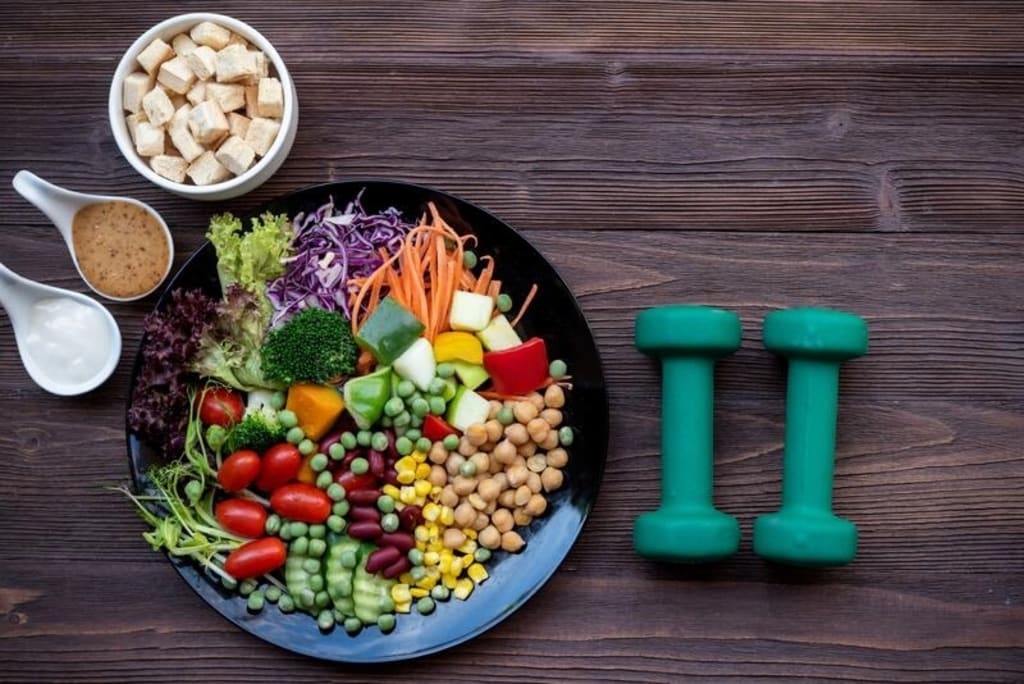
Maintaining a healthy diet is crucial for overall health and wellbeing. A balanced and nutritious diet can help you maintain a healthy weight, reduce your risk of chronic diseases such as heart disease and diabetes, and improve your energy levels and overall quality of life. In this article, we'll discuss the key principles of a healthy diet and provide tips for incorporating healthy foods into your diet.
Eat a variety of fruits and vegetables
Fruits and vegetables are a great source of vitamins, minerals, and fiber. They are low in calories and high in nutrients, making them an essential part of a healthy diet. Aim to eat at least five servings of fruits and vegetables per day. Include a variety of different colors to ensure you're getting a range of nutrients. For example, red fruits and vegetables such as tomatoes and strawberries are rich in lycopene, while orange fruits and vegetables such as sweet potatoes and carrots are rich in beta-carotene.
Choose whole grains
Whole grains are a good source of fiber, which can help keep you feeling full and satisfied. They are also a good source of nutrients, such as B vitamins and iron. Choose whole-grain bread, pasta, and rice instead of refined grains. Look for products that list whole grains as the first ingredient, such as whole-wheat bread or brown rice. Other good sources of whole grains include quinoa, bulgur, and barley.
Include lean protein
Protein is essential for building and repairing tissues in the body. It can also help keep you feeling full and satisfied. Choose lean sources of protein such as chicken, fish, tofu, and legumes. Limit your intake of red meat, which is high in saturated fat. If you do eat red meat, choose lean cuts and limit your intake to no more than three servings per week.
Limit processed foods
Processed foods such as chips, cookies, and frozen meals are often high in calories, sugar, and fat. They are also often low in nutrients. Limit your intake of these foods and focus on whole, nutrient-dense foods instead. This will help ensure that you are getting the nutrients your body needs to thrive.
Drink plenty of water
Water is essential for good health. It helps regulate body temperature, lubricate joints, and transport nutrients and waste products. Aim to drink at least eight glasses of water per day. If you find it difficult to drink plain water, try adding a slice of lemon or lime for flavor.
In addition to these general principles, there are some specific foods that can be particularly beneficial for health.
Berries
Berries such as blueberries, strawberries, and raspberries are rich in antioxidants, which can help protect against chronic diseases such as heart disease and cancer. They are also a good source of fiber and can help keep you feeling full and satisfied.
Nuts and seeds
Nuts and seeds such as almonds, walnuts, and chia seeds are good source of healthy fats, protein, and fiber. They can help keep you feeling full and satisfied and may help reduce your risk of chronic diseases such as heart disease and diabetes.
Leafy greens
Leafy greens such as spinach, kale, and collard greens are rich in vitamins and minerals, including vitamin K, vitamin C, and folate. They are also a good source of fiber and can help keep you feeling full and satisfied.
Salmon
Salmon is a good source of omega-3 fatty acids, which can help reduce inflammation in the body and may help reduce your risk of chronic diseases such as heart disease and arthritis. It is also a good source of protein and can help keep you feeling full and satisfied.
Incorporating these foods into your diet can help improve your overall health and wellbeing.
About the Creator
Adil Khan
As a content writer, I am dedicated to crafting engaging and informative content that resonates with readers. With a keen eye for detail and a talent for storytelling, I am able to create content that captures attention.
Keep reading
More stories from writers in Families and other communities.
He was 3,000 miles away these signs told me he wanted to marry me
He was 3,000 miles away these signs told me he wanted to marry me The video call froze on his face. Not on a grand declaration or a romantic moment just him, mid-sentence, talking about his lease renewal. "I told them I might need a two-bedroom," he said. "You know. For when you visit. Or if you ever..."
By Understandshe.coma day ago in Families




Comments
There are no comments for this story
Be the first to respond and start the conversation.