
How Eco-Luxury Tourism Is Changing Travel
The New Golden Rule for Discerning Travellers
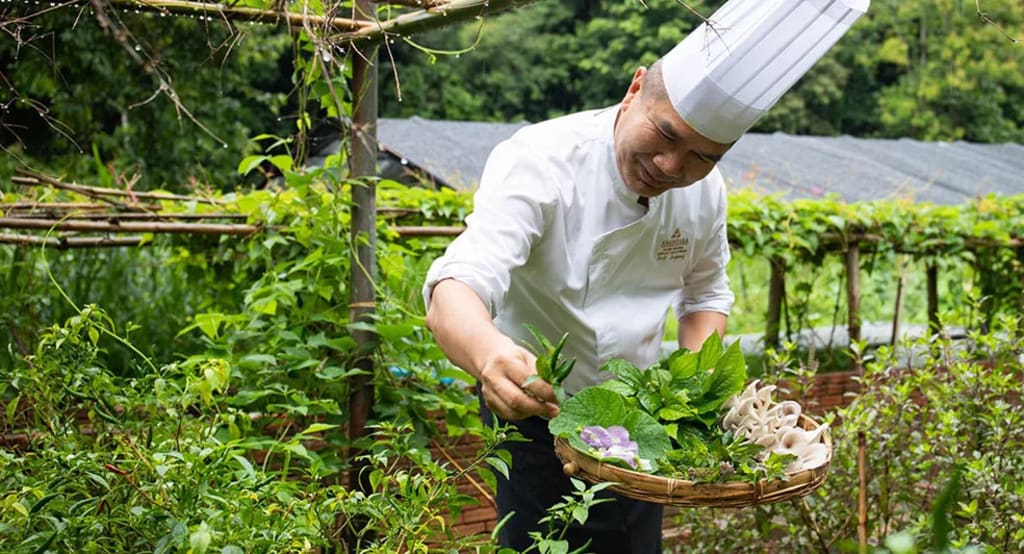
Travel is profoundly changing. Discerning travellers now seek experiences that enrich their lives while respecting the planet and its people. This shift defines eco-luxury tourism, a movement that redefines opulence through responsibility. It's about purpose, connection, and leaving a positive footprint. The new golden rule of travel focuses on where your journey takes you and the lasting impact you create.
From Minimising Harm to Maximising Good
The concept of "sustainable travel" focused on reducing negative impacts, but eco-luxury is propelling us into the era of regenerative travel. This approach actively seeks to improve the environment, economies, and communities of the destinations visited. Imagine a resort that doesn't just reduce its waste but actively funds local conservation efforts, helps restore degraded ecosystems, or empowers guests to participate in meaningful projects. This is about being a force for good, transforming a vacation into a powerful vehicle for positive change, and ensuring that the destination is left better than you found it.
The New Indulgences of an Eco-Luxe Stay
In the world of eco-luxury, true indulgence extends far beyond Egyptian cotton sheets. While comfort remains paramount, the new definition of luxury embraces authenticity, exclusivity, and a deep connection to the environment. This means savouring gourmet farm-to-table dining, where every ingredient is locally sourced, often foraged, to offer a genuine taste of the region. It's about bespoke wellness experiences rooted in ancient local traditions, using natural ingredients. It could also involve private access to pristine, protected natural areas, offering unparalleled opportunities for wildlife viewing or quiet contemplation, far from the crowds.
Sustainable Architecture in High-End Hospitality
The very structures of eco-luxury accommodations are now statements of sustainability and sophisticated design. This encompasses using locally sourced, renewable, or reclaimed materials that minimise environmental impact. Advanced passive cooling and heating systems are integrated to reduce energy consumption. Rainwater harvesting and greywater recycling are often standard, too. Many of these properties leverage solar power and other renewable energy sources, significantly lowering their carbon footprint. The ultimate goal is for these buildings to seamlessly blend into their natural surroundings, enhancing rather than detracting from the landscape, as exemplified by some of the most innovative luxury hotels in Chiang Rai.
The Ethical Evolution of Gourmet Travel
Eco-luxury redefines the culinary journey, emphasising conscious consumption from source to plate. This means a strong commitment to supporting local farmers, fishermen, and artisans, ensuring fresh, seasonal ingredients and bolstering local economies. Ethical sourcing practices are crucial, particularly for meat and seafood, guaranteeing responsible and humane methods. Furthermore, kitchens often implement rigorous zero-waste policies, transforming what might traditionally be discarded into compost or new culinary creations. This dedication ensures that every meal not only delights the palate but also tells a story of respect for the land and its producers.
Why Eco-Luxury Travellers Are Willing to Pay a Premium
Eco-luxury often comes with a higher price tag, but discerning travellers increasingly view this as a valuable investment rather than an expense. The premium covers the true cost of operating sustainably: fair wages for local staff, funding for vital conservation initiatives, and the use of superior, environmentally friendly materials and technologies. Travellers understand that they are not just paying for a room; they are investing in the preservation of fragile ecosystems, the empowerment of local communities, and a deeper, more meaningful travel experience that aligns with their values. For instance, the renowned Anantara Golden Triangle Elephant Camp & Resort offers experiences that directly contribute to elephant welfare, which justifies its premium through impactful initiatives.
How Luxury is Lifting Up Communities, Not Exploiting Them
A cornerstone of eco-luxury is its commitment to socio-cultural responsibility. These properties prioritise hiring and training individuals from local communities, providing stable employment and economic opportunities. Many establishments go further by investing in local education, healthcare, or infrastructure projects, directly contributing to the well-being of the surrounding population. They also curate authentic cultural experiences that not only enrich the guest's journey but also respectfully engage with and support indigenous traditions, ensuring that tourism acts as a positive force for cultural preservation and community development.
About the Creator
Keep reading
More stories from ameliarosanna and writers in Families and other communities.
How to Plan a Sun-Kissed Break in Hua Hin
When it comes to travelling, people are motivated to travel because of many reasons, be it holiday, work or permanently moving places. When you think of people going on a holiday, some look for beachy vacations, some look for amazing food, some want peace and quiet, and others are looking for a mix of it all. Thailand is a country that can provide all of the above and much more, and it is no surprise that it is one of the most visited countries in the world. One of the best places for sun and fun in all of Thailand is Hua Hin. Just a few hours from Bangkok, it’s a place where wide sandy shores, green gardens, cultural sights and colourful markets come together. For travellers seeking peace, a little bit of luxury and authentic experiences, planning a beach holiday here is the best choice. This guide is a breakdown of all the ways to pin for your holiday by the beach in Hua Hin.
By ameliarosanna5 months ago in Families
10 Clear Signs Your ex is not over you Psychology
It was a Tuesday. I remember because Tuesdays are garbage days in my building and I was already late for work. My phone buzzed. Instagram notification. From him. Not a message - those stopped six months ago. A story. I shouldn't have looked. I know better. But I looked.
By Understandshe.com3 days ago in Families
Time to change your life.
Is it even possible for you to change your life? A lot of people, more than there should be, are unhappy with their lives. But what are they doing about it? Usually nothing. People talk about how shitty their lives are and want change, but are they not taking the actions to change?
By Jen Phillips2 days ago in Humans




Comments
There are no comments for this story
Be the first to respond and start the conversation.