
How Effective Are the Top Natural Solutions for Depression?
Introduction
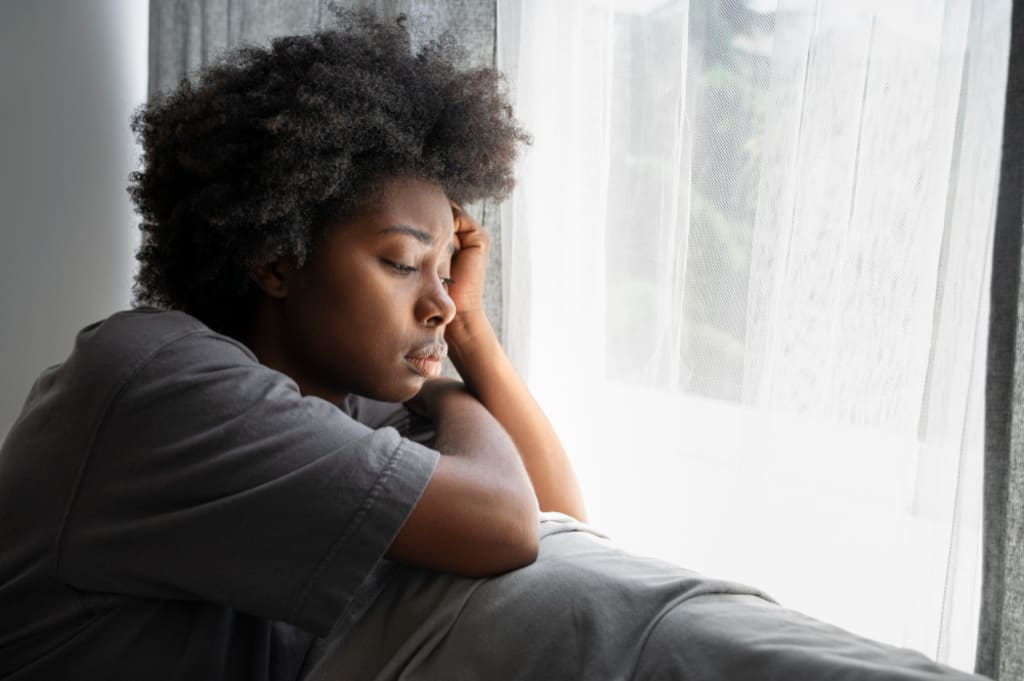
Natural treatments for depression depend on individual characteristics and severity; thus making natural therapies only appropriate in some instances. They may prove successful for mild-moderate depression sufferers; however, natural therapies likely won't treat every instance. In this article we detail which natural treatments work the most efficiently:
1. Exercise
Physical activity has long been recognized as an effective natural solution to depression. Exercise stimulates endorphin production (which acts like natural mood boosters) while increasing serotonin (one of several neurotransmitters linked with mood regulation).
Studies: Many research studies have proven the efficacy of exercise as an antidepressant treatment option, especially among those experiencing moderate to mild depression. Aerobic activities like swimming, running or walking have proved especially effective at combatting their condition.
2. Diet and Nutrition
Evidence suggests that diets high in omega-3 fatty acids like those found in salmon have significant therapeutic value, aiding mental wellbeing while alleviating signs of depression. Furthermore, whole grain bread and lean proteins have all been linked with improved mood states and decreased chances for depression development.
Studies demonstrate a link between deficiencies of omega-3 fatty acids, folate acid and vitamin D and depression risk; supplementing or at the very least improving one's diet to include these essential elements can have profound positive changes on one's mood and wellbeing. By including more essential elements into our meals we may reap multiple advantages both physically and psychologically.
3. Herbal Supplements
St John's Wort has long been revered for its natural remedies that effectively combat moderate to mild depression; making this herbal treatment one of the best researched options currently available. However, because potential interactions could arise when taken alongside medications prescribed from healthcare practitioners, any administration must always occur under proper medical advice and supervision Khameera Gaozaban Ambri Jawahar.
Studies indicate saffron may possess antidepressant qualities comparable to traditional medication used for mild or moderate depression.
Effectivity: While individual results from herbs and supplements will differ - with some experiencing significant advantages while others experience none - when selecting your product(s), make sure that interactions between medications may arise and then select carefully.
4. Mindfulness and Meditation
Mindfulness-based Cognitive Therapies such as Mindfulness Based Cognitive Therapies (MBCT), have shown tremendous promise for relieving symptoms associated with depression. Furthermore, cultivating mindful habits could prevent future episodes through such approaches like Mindfulness Based Cognitive Therapies.
Studies demonstrate the power of mindfulness practices to combat depression by helping individuals focus more intently on staying present, purge unnecessary thoughts from their minds and build emotional resilience.
5. Cognitive Behavioral Therapy (CBT)
Cognitive Behavioral Therapy, more commonly referred to as CBT, is an established nonpharmaceutical method of treating depression that uses techniques such as changing negative thoughts and behavioral patterns in order to alleviate its symptoms rather than medications or psychotropic therapies. Although CBT doesn't necessarily fit traditional definitions of natural remedies, its nonpharmacological nature has proven highly successful at alleviating its associated symptoms.
Studies: CBT has proven itself effective as an antidepressant treatment option when applied to mild to moderate depression cases and may even lower chances of recurrence as an added perk.
6. Light Therapy
May Help With Seasonal Affective Disorder SymptomsLight therapy has proved extremely helpful in alleviating symptoms associated with Seasonal Affective Disorder, an intermittent form of depression often experienced during winter months when sunlight levels decline drastically. Exposing oneself for thirty minutes each day to artificial lightboxes that mimic sunlight could alleviate depression-like symptoms associated with SAD while lessening its intensity and severity.
Researchers have noted the effectiveness of light therapy as an antidepressant treatment option, particularly SAD. When combined with other forms of therapies it could provide holistic approaches for depression treatment.
7. Social Support and Connection
Engaging social support networks such as family, friends and support groups may significantly enhance outcomes of depression patients. Social interactions provide relief by decreasing feelings of isolation while creating feelings of belongingness that give life meaning and purpose.
Studies have illustrated a correlation between social media interactions and low rates of depression as well as having supportive networks as an antidote; people suffering depression will recover faster with such active support systems around them.
8. Sleep Hygiene Benefits:
Lack of restful sleep is linked with depression-related symptoms. By creating and adhering to an appropriate sleeping routine that limits screen usage before bed, and creating a relaxing sleeping environment for each individual person will improve mood and help alleviate depression symptoms.
Studies demonstrate the impact of improved sleep on managing emotions effectively and there is mounting evidence supporting sleep interventions as effective treatments for depression Best Hakeem in Lahore.
Conclusion (Natural Treatments of Depression)
Natural therapies may prove successful at relieving mild or moderate depression symptoms, including diet, exercise, meditation and forging strong social ties as strategies; more severe cases might require therapy as well as medications in conjunction with these natural approaches.
Before initiating any treatment program involving herbs or supplements, especially when your symptoms are serious, it's a wise move to consult a healthcare specialist first. A combination approach that includes both herbal and nonherbal remedies often delivers optimal results.
About the Creator
The Tango Connection
I suppose I've become a writer so I wouldn't bore everyone to death telling them my stories. Reading them is reading. Not the same. There's rhythm. And timing and, most importantly, drama and suspense. Unless you have tremendous magnetism and an undeniable stage presence, there's no way you can engage an audience the way you can by writing your story. That's my opinion.
By Rene Volpi 6 days ago in Beat



Comments
There are no comments for this story
Be the first to respond and start the conversation.