
Promotional products Canada
Promotional products Canada: Do they work?

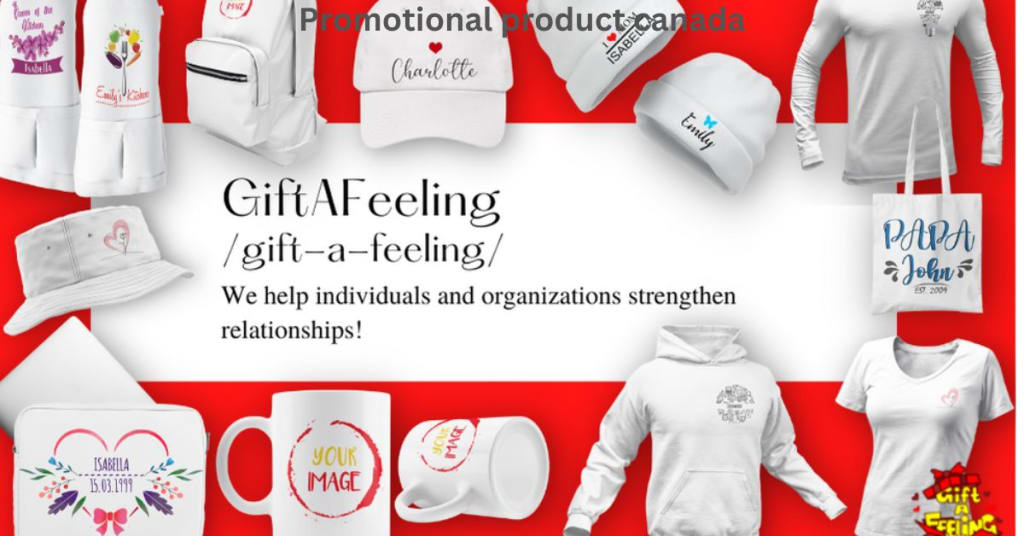
Promotional products have been a mainstay in marketing for decades, and for good reason. These items, often branded with a company's logo or message, can be an effective way to promote a brand, increase brand recognition, and generate customer loyalty. In Canada, promotional products are a common sight at trade shows, corporate events, and even in daily life. But the question remains, do promotional products actually work?
The short answer is yes, promotional products do work. A study by the Advertising Specialty Institute found that 85% of recipients remember the advertiser that gave them a promotional product, and 58% keep the product for one to four years. These numbers alone demonstrate the power of promotional products in brand recognition and retention.
One reason why promotional products in Canada are so effective is that they offer a tangible reminder of a brand. Unlike digital ads or other intangible forms of marketing, promotional products are a physical item that customers can hold in their hands. This can make a lasting impression and increase the likelihood of the customer remembering the brand in the future.
In addition, promotional products can be customized to fit a company's marketing strategy. From pens and tote bags to USB drives and water bottles, there are countless options to choose from. In Canada, popular promotional products include winter jackets, hockey jerseys, and maple leaf-themed merchandise. By choosing a promotional product that aligns with the brand's values or message, the item can be an even more effective marketing tool.
Another advantage of promotional products is their versatility. They can be given away at trade shows, as gifts to employees or clients, or as part of a sales promotion. They can also be used to generate buzz on social media. For example, a company can run a contest where participants must share a photo of themselves using the company's promotional product. This not only creates engagement on social media but also increases the visibility of the brand to a wider audience.
Promotional products can also help increase brand recognition. When a person wears a t-shirt or uses a tote bag with a company's logo, they become a walking advertisement. This can lead to increased visibility and brand awareness. In Canada, where there is a strong sense of national pride, promotional products that feature Canadian imagery or themes can be especially effective in generating positive brand recognition.
Finally, promotional products in Canada can help generate customer loyalty. When a customer receives a free gift, they feel valued and appreciated. This can lead to repeat business and positive word-of-mouth recommendations. In a competitive market like Canada, where there are countless options for consumers, building customer loyalty can be the difference between success and failure for a brand.
In conclusion, promotional products do work. They are a cost-effective marketing strategy that can increase brand recognition, generate customer loyalty, and promote a brand's message. In Canada, promotional products are a popular marketing tool that can be customized to fit a company's marketing strategy. By choosing a promotional product that aligns with the brand's values or message and using it effectively, businesses in Canada can reap the benefits of this powerful marketing tool.
Benefits of Using Promotional Products in Canada
Promotional products offer many benefits for businesses in Canada. Here are a few reasons why businesses should consider using promotional products as part of their marketing strategy:
Cost-Effective: Promotional products are an affordable way to increase brand awareness and promote a business. Businesses can purchase products in bulk to save money and distribute them at events and trade shows to reach a wider audience.
Brand Recognition: Promotional products are a great way to increase brand recognition and create a lasting impression with customers. When customers receive a branded product, it creates a tangible reminder of the business and its services or products.
Customer Loyalty: Promotional products can help businesses build customer loyalty by creating a positive association with the brand. When customers receive a promotional product, it creates a sense of goodwill and can lead to repeat business and referrals.
Versatility: Promotional products are versatile and can be used in a variety of settings, including trade shows, conferences, and other events. They can also be given away as gifts to customers and employees to create a lasting impression.
Promotional products, also known as advertising specialties or branded merchandise, are items that are imprinted with a company's logo, message, or branding. These products are typically given away to customers, clients, or employees as a form of advertising or marketing.
Promotional products come in a wide variety of items, including pens, water bottles, bags, hats, t-shirts, keychains, and many other items. The key is to choose products that are useful and relevant to your target audience, so they will use and see your brand message repeatedly.
The goal of promotional products is to increase brand awareness and visibility, as well as to foster customer loyalty. By giving away useful items that are imprinted with your brand, you create a positive association between your brand and the recipient. This can lead to increased brand recognition, customer loyalty, and ultimately, sales.
Promotional products are also an effective way to reach a wide audience at a relatively low cost. They can be distributed at trade shows, events, or in-store promotions. They can also be included in direct mail campaigns or given away as part of a purchase incentive.
Overall, promotional products are a powerful marketing tool that can help your brand stand out and make a lasting impression on customers and clients.
Which business needs logo design mostly? in 200 catchy words
Every business needs a logo design to represent their brand visually. However, some businesses may need it more than others, depending on their size, industry, and goals.
Startups and small businesses often need a logo design the most, as they are just starting out and need to establish a strong brand identity. A well-designed logo can help them stand out in a crowded market and attract new customers. It can also give them a professional look and make them appear more established and trustworthy.
Businesses in the creative industry, such as graphic design, advertising, and media, also need a logo design that represents their creativity and uniqueness. A well-designed logo can showcase their talents and creativity to potential clients and set them apart from their competitors.
Retail businesses also need a logo design that reflects their brand personality and creates a strong visual identity. A logo can help consumers identify the brand and its products, and make purchasing decisions based on the brand's reputation and values.
In summary, every business needs a logo design to establish a brand identity and create a strong visual presence. However, start-ups, small businesses, creative industries, and retail businesses may need it more than others, as it can help them stand out, establish credibility, and attract customers.
The apparel manufacturing process for Nike and its competitors typically follows similar steps:
Design: The initial step involves designing the apparel. This includes creating sketches and deciding on colours, materials, and other design elements.
Material sourcing: Once the design is finalized, materials are sourced from suppliers. Nike and its competitors often use sustainable and eco-friendly materials to align with their brand values.
Pattern making: The pattern is then made, which is the blueprint for the apparel. This is done using computer-aided design (CAD) software.
Cutting and sewing: The fabric is then cut into pieces based on the pattern and sewn together. The apparel is then fitted to ensure the right fit and quality.
Printing and embroidery: Logos and designs are printed or embroidered onto the apparel using specialized equipment.
Quality control: Throughout the manufacturing process, quality control checks are done to ensure the apparel meets the brand's standards for quality, fit, and design.
Packaging and shipping: The final step involves packaging the apparel and shipping it to retail stores, warehouses, or directly to customers.
Overall, the apparel manufacturing process for Nike and its competitors requires careful planning, attention to detail, and a commitment to quality and sustainability. By following these steps, they are able to produce high-quality apparel that aligns with their brand values and meets the needs of their customers
About the Creator
Giftafeeling
GiftAFeeling is the Global R&D company supplying corporate gifts and promotional products in Canada. GiftAFeeling is your one stop print company specializing in research-based giveaways, promotional products .
Keep reading
More stories from writers in Families and other communities.
The House with Two Front Doors
When the Rahman family bought the old corner house, most people admired its wide balcony and flowering garden, but few understood why it had two identical front doors. The previous owner had built it that way decades ago for reasons no one clearly remembered. To Aadil Rahman, however, the two doors felt symbolic. His family was not simple or uniform. It was layered, stitched together from different personalities, opinions, and unspoken histories. In many ways, they were like two households sharing one roof.
By Sudais Zakwan7 days ago in Families
Six Things Men like More In Women Than Good looks
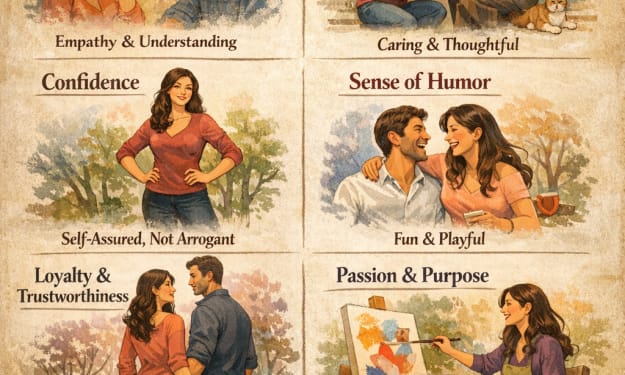
Physical attraction often gets most of the attention in conversations about relationships, but in reality, long-term connection is built on much deeper qualities. While good looks may catch someone’s eye, they rarely hold someone’s heart. Here are six things many men value in women even more than physical beauty.
By Ibrahim Shah 7 days ago in Families



Comments
There are no comments for this story
Be the first to respond and start the conversation.