
The Friendly Animal: Man’s Best Friend, the Dog
Exploring the Loyalty, Love, and Lifelong Bond Between Humans and Dogs

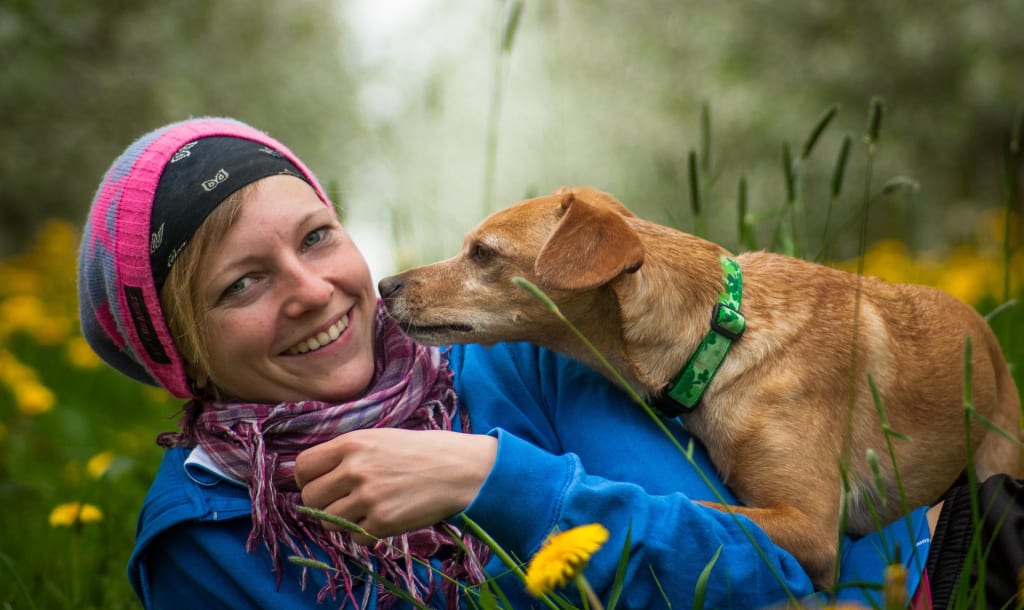
The affectionate dog is the friendly animal. There is good reason why dogs are known as "man's best friend." Their loyalty, affection, and unshakable bond with humans have made them one of the most beloved animals in the world. Dogs bring joy, comfort, and love to countless lives, whether it's a playful puppy chasing a ball or an elderly companion lying quietly at your feet. This article examines the reasons why dogs are regarded as the friendliest of all animals, as well as their intelligence, behavior, and close bond with humans.
A Longstanding Companionship Dogs and humans have been best friends for tens of thousands of years. Dogs are thought to have originated from wolves that first settled near human settlements and were the first domesticated animals. Over time, a mutually beneficial relationship developed—humans provided food and shelter, while dogs helped with hunting, guarding, and companionship.
Today, dogs are not just working animals; they are family. Their roles have evolved from protectors and hunters to therapy providers, guide animals for the visually impaired, and loyal friends who offer emotional support and unconditional love.
The Nature of a Friendly Animal Dogs are inherently social animals. They thrive on attention and companionship. Their domestication and pack instincts both contribute to their friendly nature. Wolves, the ancestors of dogs, live in packs in the wild, where social cooperation and communication are necessary for survival. Modern dogs have inherited this social tendency and now treat their human families as their pack.
A dog's friendliness is expressed in many ways: wagging tails, excited barking, affectionate licking, and playful behavior. They show empathy and understanding in a way that frequently feels deeply emotional, and they are able to quickly form strong bonds with humans and other animals.
Dogs and Emotional Intelligence Emotional intelligence is one of a dog's most remarkable characteristics. Through body language, facial expressions, and voice tone, dogs can discern human emotions. They seem to know when we’re sad, happy, stressed, or sick. Many dog owners can recount stories of their dogs comforting them during tough times or celebrating their excitement.
This is supported by studies in science. Dogs are able to respond appropriately to human facial expressions, according to research. Some dogs have even been trained to detect emotional states and respond with calming behaviors, making them ideal as therapy animals for people suffering from anxiety, depression, PTSD, and other mental health conditions.
Building a Companion Dog How a dog is raised and treated influences its friendliness. A well-behaved and sociable dog can be nurtured through regular training, consistent love, positive reinforcement, and early socialization. Exposing puppies to different people, environments, and other animals from a young age helps them become confident and friendly adults.
Kindness and respect go hand in hand. Dogs do best when they are handled gently and encouraged. Harsh punishment or neglect can lead to fear and aggression. In contrast, a dog raised in a loving home will often grow into a happy, friendly, and trusting companion.
Dogs in Humanity's Service Beyond being loving pets, dogs perform countless services for humans. Guide dogs help the visually impaired navigate their surroundings. Drugs, explosives, and missing persons are all detected by police dogs. Therapy dogs visit nursing homes and hospitals to cheer people up. Service dogs are trained to help disabled people maintain their independence and safety. Dogs make excellent companions in a wide range of personal and professional settings due to their keen senses, intelligence, and eagerness to assist.
A Lifetime of Loyalty Dogs' unwavering loyalty is one of the most touching qualities. They are forever devoted to their owner once they form a bond with them. This deep loyalty is demonstrated by tales of dogs waiting years for their deceased owners, traveling great distances to return home, or defending family members from danger. Dogs continue to provide love, companionship, and joy even in their final years. It should come as no surprise that the loss of a dog can be as devastating as that of a family member.
Dogs are more than just friendly animals—they are loyal companions, emotional supporters, and beloved members of countless households. They are truly special for their capacity to unconditionally love, sense our feelings, and bring joy with a tail wag. The bond between humans and dogs is one of the most profound connections in the animal kingdom, regardless of whether you have owned dogs your entire life or are just getting started. So the next time you see a dog wagging its tail or looking up at you with those loving eyes, remember—you’re witnessing the embodiment of friendship, loyalty, and unconditional love.
About the Creator
Showath Hosen
I'm a writer who enjoys exploring a wide range of topics, from everyday life to current events and thoughtful opinions. Through concise and interesting articles, I hope to educate, motivate, and elicit discussion. I appreciate you reading!
Keep reading
More stories from Showath Hosen and writers in Families and other communities.
Switzerland: A Journey Through Nature’s Masterpiece
The Natural Beauty of Switzerland: A Land of Timeless Charm Switzerland, often referred to as the "Heart of Europe," is world-renowned for its stunning natural beauty. With its majestic Alps, crystal-clear lakes, lush green valleys, and pristine villages, this small landlocked country offers some of the most awe-inspiring landscapes on Earth. Whether you are a nature lover, an adventure seeker, or simply a traveler in search of peace and inspiration, Switzerland's natural charm is bound to leave a lasting impression.
By Showath Hosen 10 months ago in Earth
A couple who couldn't agree on how to divide the pension
I never thought I'd become the sort of person who lies awake at three in the morning thinking about pensions. But there I was, night after night, staring at the ceiling while *Karen slept in the spare room down the hall, both of us trapped in the same house but living completely separate lives.
By Family Law Service6 days ago in Families
Magic
Note from the Author: I want to let you know that this is an unusual story, and it has been written purely from whatever is in my unconscious mind, because before I start writing, I get into a flow state that reaches my unconsciousness. I also write in my subconscious mind, which is like a mid-flow state between the conscious and unconscious mind.
By Denise Larkinabout 11 hours ago in Fiction




Comments
There are no comments for this story
Be the first to respond and start the conversation.