
The role of nutrition in fitness and weight loss
Fitness and weight loss
The Role of Nutrition in Fitness and Weight Loss
In the pursuit of a healthy lifestyle, two critical factors often come to mind: fitness and weight loss. While exercise is commonly associated with achieving these goals, it is equally important to acknowledge the pivotal role that nutrition plays in shaping our bodies and overall well-being. Proper nutrition not only fuels our bodies but also influences our ability to reach our fitness goals and maintain a healthy weight. In this article, we will explore the significant role of nutrition in fitness and weight loss.
1. Fueling the Body: Nutrition as Energy
Nutrition serves as the primary source of energy for our bodies. The food we consume is broken down into macronutrients: carbohydrates, proteins, and fats. These macronutrients provide the fuel necessary to power our physical activities. Carbohydrates, in the form of glucose, are the preferred source of energy for our muscles during exercise. Proteins aid in repairing and building muscle tissues, while fats provide a concentrated source of energy for longer, endurance-based activities.
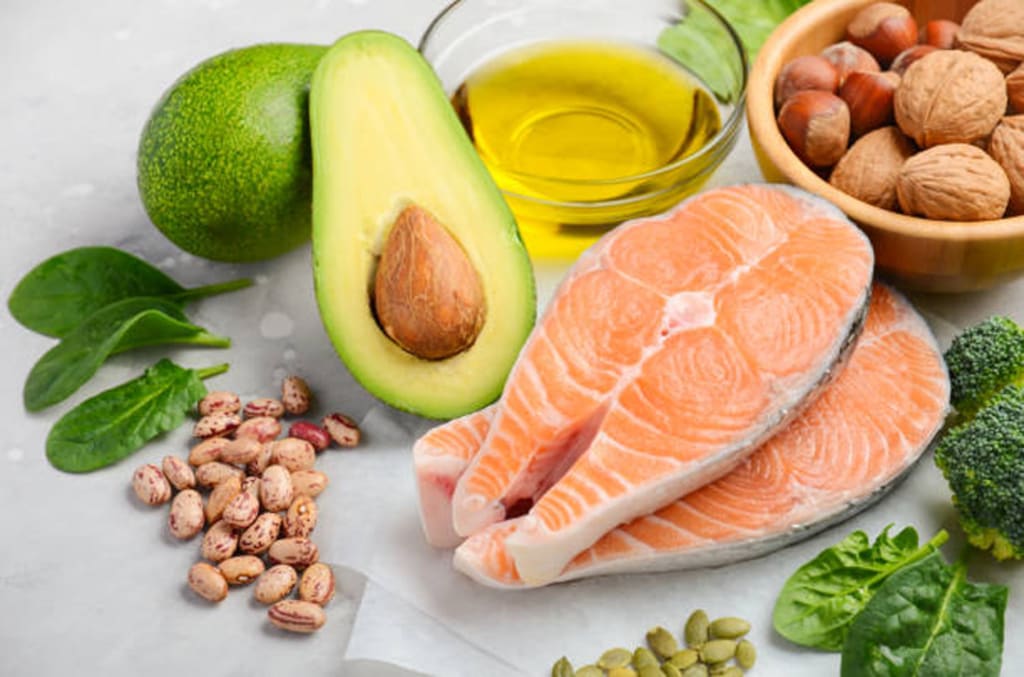
By understanding the role of macronutrients, we can optimize our nutrition to enhance our physical performance. Prioritizing complex carbohydrates, such as whole grains, fruits, and vegetables, ensures a steady release of energy throughout the day. Incorporating lean proteins, like chicken, fish, and legumes, supports muscle growth and repair. And including healthy fats, such as avocados, nuts, and olive oil, provides sustained energy during prolonged workouts.
2. Muscle Growth and Repair
Nutrition plays a crucial role in muscle growth and repair. When engaging in strength training or resistance exercises, our muscles undergo microscopic damage. Proper nutrition provides the necessary building blocks, such as amino acids from proteins, to repair and rebuild the damaged muscle fibers, resulting in increased strength and muscle mass.
To optimize muscle growth, it is essential to consume an adequate amount of high-quality protein. The recommended daily intake for individuals engaging in regular exercise is around 0.8-1.2 grams of protein per kilogram of body weight. Good sources of protein include lean meats, dairy products, eggs, and plant-based options such as tofu and quinoa.
3. Weight Loss: Balancing Caloric Intake
When it comes to weight loss, the principle of energy balance is crucial. This principle states that weight loss occurs when the calories burned through physical activity exceed the calories consumed through food and beverages. While exercise is an effective tool for burning calories, it is often challenging to out-exercise a poor diet. This is where proper nutrition plays a pivotal role.
To create a calorie deficit, it is essential to strike a balance between caloric intake and expenditure. Consuming nutrient-dense foods that are lower in calories, such as fruits, vegetables, and whole grains, can help achieve this balance. These foods provide essential vitamins, minerals, and fiber, while also helping to control hunger and promote satiety.
Additionally, portion control is a key factor in weight loss. It is crucial to be mindful of serving sizes and listen to our body's hunger and fullness cues. This practice allows us to consume an appropriate amount of calories while avoiding excessive overeating.
4. Recovery and Injury Prevention
Nutrition also plays a significant role in post-workout recovery and injury prevention. Exercise, particularly intense or prolonged sessions, places stress on our bodies, leading to the breakdown of muscle tissues and the depletion of energy stores. Proper nutrition helps replenish glycogen stores, repair damaged tissues, and reduce inflammation.
Including carbohydrates in post-workout meals or snacks helps restore glycogen levels, promoting faster recovery and reducing muscle soreness. Protein consumption after exercise aids in muscle repair and synthesis. It is recommended to consume a combination of carbohydrates and protein within 30-60 minutes post-workout for optimal recovery
About the Creator
Keep reading
More stories from Philippe Lamboni and writers in Families and other communities.
Top 10 super foods for optimal fitness
Introduction (50 words): Maintaining optimal fitness is crucial for a healthy and active lifestyle. While regular exercise is essential, a well-balanced diet plays a significant role in achieving fitness goals. Incorporating superfoods into your daily meals can provide essential nutrients, boost energy levels, aid in muscle recovery, and enhance overall well-being. In this article, we will explore the top 10 superfoods that can help you achieve optimal fitness.
By Philippe Lamboni 3 years ago in Families




Comments
There are no comments for this story
Be the first to respond and start the conversation.